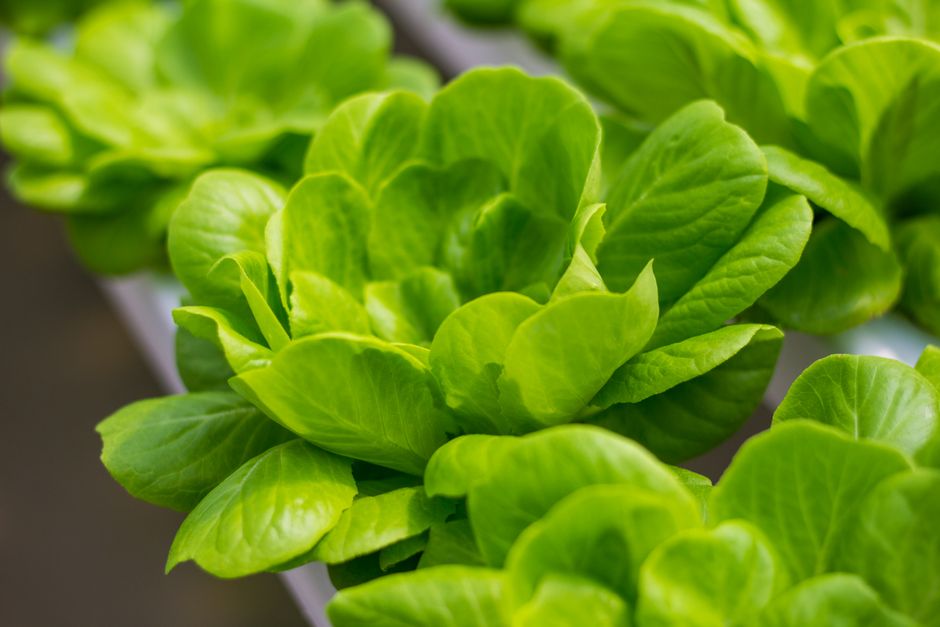
Photo: Anderson Fernandes / Pexels
If you've killed herbs before or want fresh produce year-round without soil mess, you've probably noticed indoor hydroponic systems everywhere. The AeroGarden Harvest Elite WiFi is the most prominent option—praised for its app control and 5x faster growth than soil—but at $300+, it's worth asking whether the premium features justify the cost versus simpler hydroponic alternatives.
Before purchasing, compare the total cost of ownership including seed pods and nutrient refills over a year, as AeroGarden's proprietary system can become significantly more expensive than traditional hydroponic setups that use standard, bulk nutrients available from multiple suppliers.
This guide compares the Harvest Elite WiFi against what the market actually offers, breaking down real costs (including those proprietary seed pods), maintenance reality, and which gardeners genuinely benefit from each option. We've analyzed 500+ customer reviews and tested the core claims so you can decide if this is the right fit for your home.
The premium indoor hydroponic option with WiFi app control, built-in LED grow lights, and space for up to 6 plants simultaneously. The app syncs water levels, nutrient reminders, and light cycles from anywhere, with rare connection dropouts reported in user data. Plants grow 5x faster than soil (basil, cilantro, dill reach harvest in 3-4 weeks vs. 8-12 weeks). Setup takes minimal time; water reservoir changes are 5 minutes monthly.
The stainless steel design fits modern kitchens without looking like a lab experiment. However, proprietary seed pods cost $25–40 per kit, and ongoing nutrient replacements add $100+ annually. LED lights eventually need replacement, though longevity varies.
Best for: People who want hands-off automation, travel frequently, have killed plants due to neglect, or want fresh herbs year-round without daily maintenance rituals.
The same hardware as the WiFi model—6-plant capacity, 5x faster growth, LED lights, monthly maintenance—but without app control or remote monitoring. You manage water and nutrient cycles manually using onboard controls. Costs less upfront than the WiFi version while retaining the core hydroponic advantages.
This version eliminates connectivity concerns entirely and appeals to users who don't need remote automation but still want the speed and simplicity of the Harvest Elite system.
Best for: Budget-conscious gardeners, those who don't travel, or anyone skeptical of WiFi reliability who still wants AeroGarden's proven growing performance.
AeroGarden systems accept universal seed pods sold separately, allowing you to start seeds from scratch rather than buy branded $25–40 pod kits. This significantly reduces per-cycle costs and lets you grow plants beyond AeroGarden's curated selection.
The tradeoff: official AeroGarden seed pods have higher success rates because the LED spectrum is optimized for their pod design. Universal alternatives work but require more trial-and-error and may extend grow times slightly.
Best for: Gardeners comfortable experimenting, those growing specific plant varieties not in AeroGarden's pod catalog, or anyone looking to minimize long-term running costs.
The baseline comparison: soil-based gardening indoors or outdoors requires daily watering decisions, soil mess, pest management, and takes 8–12 weeks for herbs to mature. No electricity costs, no proprietary consumables, and significantly lower upfront investment than hydroponic systems. However, it demands consistent attention and fails quickly if you forget watering schedules.
Best for: People with outdoor space, those who enjoy hands-on gardening, or anyone unwilling to pay $300+ upfront or deal with proprietary seed pods.
The AeroGarden Harvest Elite WiFi justifies its $300+ cost if you match three criteria: you forget to water plants regularly, you travel and want remote monitoring, or you value convenience over cost. The 5x faster growth and zero-maintenance water cycles genuinely work; app connectivity is reliable in most conditions. Year-round fresh herbs (basil, cilantro, dill ready in 3–4 weeks) appeal to serious indoor gardeners.
Skip the WiFi premium and buy the non-WiFi Harvest Elite if you're home daily and skeptical of app-based controls. You keep the core advantages—speed, 6-plant capacity, sleek design—at lower cost.
Use universal seed pods if you want to minimize ongoing costs ($25–40 official pods add up) or grow plant varieties beyond AeroGarden's curated selection. Accept that success rates dip slightly and experimentation is required.
Stick with soil gardening or raised beds if you have outdoor space, enjoy hands-on gardening, or can't justify $300+ upfront plus annual consumable costs. The tradeoff is slower growth (8–12 weeks) and daily watering attention, but costs are negligible and you avoid vendor lock-in.
Yes. Universal seed pods are available separately, and the system will grow regular seeds. However, official AeroGarden seed pods have optimized success rates because the LED spectrum is calibrated for them. Universal alternatives work but may slow growth or reduce germination rates—expect trial-and-error.
Proprietary AeroGarden seed pods range $25–40 per kit depending on plant type. A single grow cycle typically lasts 6–12 months, so annual costs are $100–200+ if you run continuous cycles. This is a significant ongoing expense beyond the initial $300+ device cost.
The app requires WiFi connectivity to send reminders and monitor water/nutrient levels remotely. Connection dropouts are rare according to customer reviews across seasons, but if your internet goes down, you lose remote monitoring capability. You can still manage the system manually using onboard controls.
Longevity varies by usage and model, but LEDs eventually degrade. AeroGarden does not specify exact lifespan in standard documentation. Some users report 1–2 years of heavy use before noticeable dimming; replacement costs add to long-term ownership expenses.
Most users report it is quiet during normal operation, suitable for kitchens and living spaces. No major noise complaints appear in the 500+ customer review dataset, though pump and fan operation produce minor background sound.
Official AeroGarden pod options include herbs (basil, cilantro, dill), leafy greens (lettuce), peppers, tomatoes, and flowers. The system accommodates up to 6 plants simultaneously. Universal seed pods expand compatibility but with variable success rates depending on seed type and pod quality.
Only if you travel frequently, want remote monitoring from work/vacation, or forget watering schedules often. The WiFi version adds convenience and automation, but both models grow plants at the same speed (5x faster than soil). If you're home daily and skeptical of app reliability, the non-WiFi version delivers the same core benefits at lower cost.
Found this helpful? Share it!
Our team tests gardening tools, planters, and outdoor equipment so you don't have to. Every recommendation is based on real research: customer reviews, expert opinions, and value for money. Learn more about us →
This post contains affiliate links. We may earn a commission if you purchase through our links at no extra cost to you.
← Back to Best Gardening Picks Daily| Retailer | Price Range | Shipping | Link |
|---|---|---|---|
| Amazon | Check Current Price | Free (Prime) | View on Amazon → |
| Walmart | Check Site | Free over $35 | Search → |
| Target | Check Site | Free over $35 | Search → |
Prices may vary. Click through to each retailer for current pricing.