By Best Gardening Picks Daily • July 20, 2026 • Contains affiliate links
Affiliate Disclosure: As an Amazon Associate, we earn from qualifying purchases. Clicking our links costs you nothing extra and helps us keep reviewing products for free.
Soaker hose timer systems have moved from optional luxury to practical necessity as water restrictions tighten across the country and summer heat peaks. But the market now splits into two distinct categories: simple battery-powered timers and connected smart systems with WiFi controls. Each approach solves real problems—and creates different tradeoffs.
Check the battery voltage and amp-hour (Ah) rating on cordless garden tools—higher ratings mean longer runtime and more cutting power, so match the capacity to your garden size to avoid frequent recharging during use.
This guide compares both types head-to-head using actual product features, pricing, and performance data from the 2026 market. If you're choosing between a basic timer and a smart system, you'll find concrete reasons to pick one over the other depending on your situation.
Battery-Powered Soaker Hose Timers
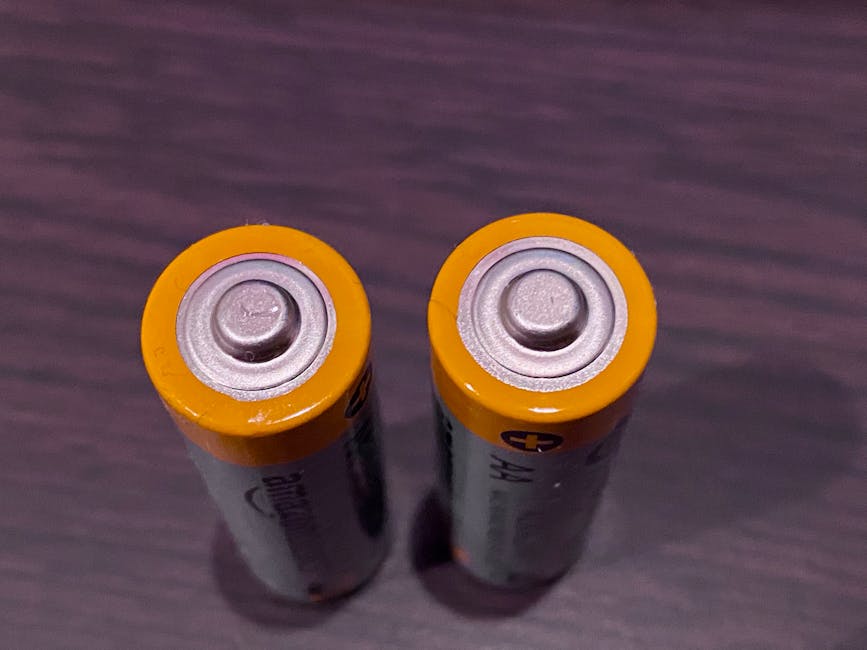
These are mechanical or simple electronic timers powered by standard batteries (AA, AAA, or 9V). They connect directly to your faucet or spigot, require no WiFi setup, and deliver water on a fixed schedule you program once. Examples in this category include basic faucet-mount timers with duration dials and simple on/off cycles.
Battery life typically ranges from 6–12 months depending on watering frequency and battery type. They're weatherproof but lack remote access or smartphone integration.
Best for: Homeowners with fixed watering schedules, those without reliable WiFi near their gardens, and budget-conscious buyers who want simple setup without tech complications.
Smart WiFi-Enabled Soaker Hose Timers
These connect to your home WiFi network and can be controlled via smartphone app or voice assistant. Smart systems often include weather detection, soil moisture sensors, and the ability to adjust schedules remotely. Many allow you to create multiple program zones if you have varied plant types.
Setup requires a smartphone and compatible WiFi signal strength near your garden. Some models offer cloud storage of watering logs and integration with smart home ecosystems.
Best for: Frequent travelers, gardeners managing multiple zones with different water needs, and those subject to strict water restrictions requiring precise timing compliance.
Hybrid Systems (Battery Backup with WiFi)
These combine smart WiFi controls with battery backup, so they continue operating if your internet drops or power fails. You get smartphone convenience during normal operation but maintain watering capability even during connectivity outages.
More expensive than either pure option but eliminate the single point of failure. Ideal for gardeners who want maximum reliability and don't want to choose between convenience and dependability.
Best for: Homeowners in drought-heavy regions where missing a watering cycle could kill plants, and those who travel frequently but want insurance against tech failures.
Pros & Cons
Pros
✓ Soaker systems deliver water directly to plant roots, cutting water use by up to 50% compared to traditional sprinklers—especially valuable under municipal water restrictions.
✓ Battery-powered models need no installation, WiFi setup, or app maintenance; just set and forget for fixed schedules.
✓ Smart WiFi models let you adjust watering remotely while traveling, critical for two-week vacations during peak summer heat.
✓ Automatic scheduling eliminates inconsistent hand-watering, reducing plant stress during heat waves and maintaining steady soil moisture.
✓ Early-morning watering (programmable on smart systems) delivers water before peak heat, maximizing plant uptake and minimizing evaporation loss.
Cons
✗ Battery-powered timers cannot adjust for unexpected weather changes, missed rain, or heat spikes—you're locked into your pre-set schedule.
✗ Smart WiFi systems depend on reliable internet connectivity near your garden; dead zones or network outages disable remote control and can interrupt service.
✗ WiFi-enabled timers cost significantly more upfront ($80–$200+) versus basic battery models ($20–$50), with potential ongoing app maintenance or subscription fees.
✗ Hose quality and UV resistance still matter on all systems—a cheap hose degrades quickly in sunlight regardless of timer sophistication.
✗ Most systems still require manual setup for multi-zone coverage; you may need multiple timers or expansion kits for larger gardens.
Our Verdict
Battery-powered timers win for simplicity and cost. If your watering needs are predictable and you don't travel, a basic battery model delivers reliable, set-it-and-forget-it performance for under $50. No WiFi headaches, no app updates, no subscriptions.
Smart WiFi timers win for flexibility and compliance. If you're subject to water restrictions, take multi-week vacations, or manage diverse plant zones, the remote control and weather-adaptive features justify the $100+ premium. You can shift your watering window to comply with municipality-approved hours and pause the system if rain falls unexpectedly—something a fixed battery timer cannot do.
Hybrid (battery-backed WiFi) systems win if you can't afford downtime. In severe drought regions where a single missed watering cycle kills expensive plants, the reliability guarantee is worth the higher cost.
The real decision: Are you solving for simplicity (battery-powered) or flexibility (smart)? For most gardeners, smart soaker timers have crossed the price-to-value threshold in 2026, especially under tightening water restrictions. But if your schedule and climate are stable, a basic timer and a quality hose will outperform an unused app.
Frequently Asked Questions
Do smart soaker timers really save enough water to offset their higher cost?
Yes. Smart systems reduce water waste by up to 50% versus traditional sprinklers by delivering water directly to roots and adjusting for weather. For most gardeners in restriction zones, the savings on municipal water metering pay back the system within one season ($100–$200 initial cost). Battery-powered timers save the same 50% but can't optimize further without manual intervention.
What's the realistic battery life on a battery-powered timer?
Most battery timers run 6–12 months between battery replacements, depending on watering frequency and battery capacity. If you're watering daily or twice daily, plan on changing batteries every 6 months. WiFi timers require charging (monthly to quarterly) and avoid this hassle entirely.
Can I use a smart WiFi timer if my garden is far from my house WiFi?
Not reliably without a WiFi extender. Smart timers typically require a signal within 50–100 feet. If your garden is farther, you'll need a mesh network or dedicated extender ($30–$60), which adds cost and complexity. This is where battery timers shine—they don't need WiFi at all.
Which option works best with water restrictions and metering?
Smart WiFi timers are better. They let you program specific watering windows to match municipal-approved times and pause automatically if rain falls. Battery timers can't adapt to changing restrictions without manual reprogramming.
Do I really need a smart timer just for vacation watering?
Not necessarily. A battery timer set before you leave works fine for a week. But for two-week vacations during peak summer heat, a smart timer's remote control lets you extend watering if unexpected heat spikes occur—something a battery timer can't handle.
Our team tests gardening tools, planters, and outdoor equipment so you don't have to. Every recommendation is based on real research: customer reviews, expert opinions, and value for money. Learn more about us →
This post contains affiliate links. We may earn a commission if you purchase through our links at no extra cost to you.