By Best Gardening Picks Daily • July 21, 2026 • Contains affiliate links
Affiliate Disclosure: As an Amazon Associate, we earn from qualifying purchases. Clicking our links costs you nothing extra and helps us keep reviewing products for free.
Starting a garden means choosing between tools you've never used, at price points you don't understand, with competing advice about what's truly essential. Most beginners either buy expensive 20+ piece sets they'll never use, or skimp on quality and replace corroded tools every season. The real answer isn't one-size-fits-all—it depends on your garden type, your budget, and which tasks matter most to your growing style.
When choosing between stainless steel and carbon steel gardening tools, prioritize stainless steel if you live in a humid or coastal climate where rust is a concern, as it requires minimal maintenance despite its higher cost. Carbon steel tools are more budget-friendly and sharper, making them ideal for beginners on a tight budget, but you'll need to regularly oil and dry them after each use to prevent corrosion.
This guide compares the actual tools that appear across beginner recommendations: hand trowels, pruning shears, garden forks, spades, and rakes. We break down real trade-offs in materials (stainless steel vs. coated carbon steel), handle ergonomics, rust resistance, and longevity. The goal is to help you buy 4–5 tools that handle 80% of gardening tasks without waste or guesswork.
Hand Trowel (Stainless Steel)
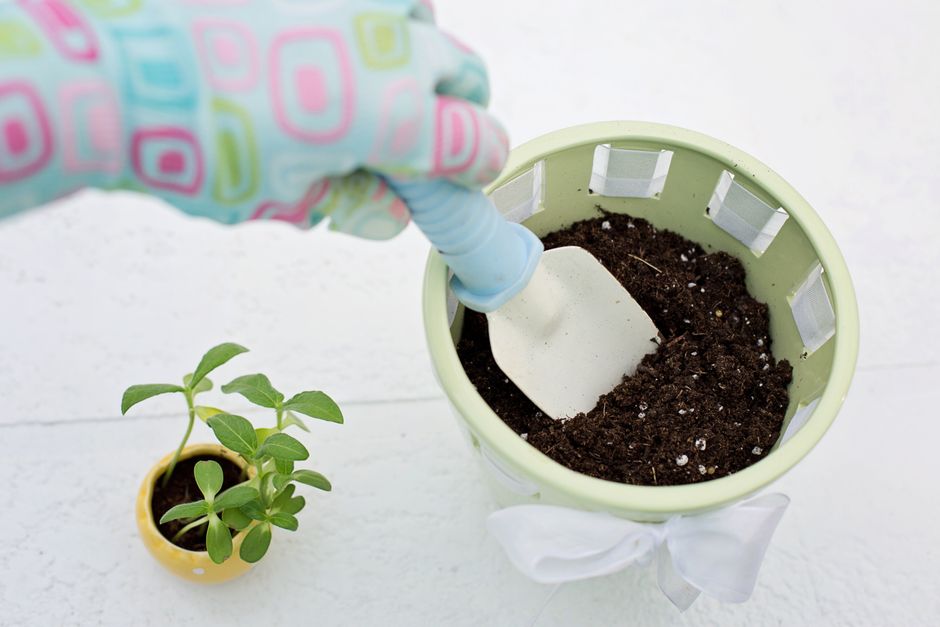
The single most-used tool in beginner gardens. Stainless steel versions resist rust and won't require ongoing maintenance, making them ideal if you're leaving tools outside or in damp sheds. The blade works for digging small holes for transplants, mixing potting soil, moving soil around raised beds, and breaking up compacted soil in tight spaces.
Quality matters significantly: look for a reinforced neck where the handle meets the blade, as this is the failure point in cheaper models. Stainless steel trowels typically cost $10–20 and outlast multiple cheap alternatives.
Best for: Anyone starting a garden who wants one reliable, low-maintenance tool; ideal for wet climates or outdoor storage
Hand Trowel (Coated Carbon Steel)
Carbon steel trowels are cheaper upfront than stainless steel but require regular cleaning and can corrode if stored damp. They're lighter and sometimes feel more substantial in the hand. The coating provides some rust resistance but won't match stainless steel durability over multiple seasons.
Best paired with a cushioned grip and a blade that feels substantial but not heavy—aluminum or fiberglass shafts paired with steel heads hit the weight sweet spot.
Best for: Budget-conscious beginners willing to perform seasonal maintenance; gardeners with covered tool storage
Pruning Shears: Bypass Style (Secateurs)
Bypass shears work like scissors, cutting live growth cleanly between two blades. They're better for beginners because they're more forgiving and versatile, handling deadheading, trimming branches, and cutting plant stems across a wider range of materials. Quality matters here: cheap shears jam on tougher stems and require constant sharpening.
Essential if you're growing perennials, shrubs, or herbs that need regular maintenance. The difference between $8 shears and $25 shears is the difference between clean cuts and crushed stems.
Best for: Beginners growing perennials, shrubs, or herbs; anyone who wants forgiveness when cutting live, green growth
Pruning Shears: Anvil Style
Anvil shears use one blade that presses material against a flat base. They're better for tougher, deadwood and less forgiving on live stems—the compression can damage delicate growth. They require more hand strength and are less versatile than bypass shears for general garden use.
More specialized than bypass shears and better suited to experienced gardeners or gardeners focused on pruning tough woody material.
Best for: Cutting tough deadwood and dried stems; experienced gardeners; not recommended as a first pruning tool
Garden Fork (Hand Cultivator vs. Full-Size)
Hand cultivators (3–4 prongs on a short handle) work for breaking up compacted soil in containers and small beds. Full-size garden forks (longer handle, 3–4 larger prongs) excel at soil preparation, turning beds, and working with heavier clay soil. The choice depends on your garden's scale: hand cultivators suit raised beds and containers; full-size forks handle plot preparation and larger-scale digging.
Coated carbon steel versions are common; stainless steel forks resist rust but cost more and are heavier.
Best for: Hand cultivators: container and raised-bed gardeners. Full-size forks: plot gardeners and beginners doing soil preparation
Garden Spade (Long-Handled Digging Tool)
A long-handled digging tool with a flat, sharp blade, ideal for edging, precise digging, and creating planting beds. Spades differ from shovels: shovels have curved blades better for scooping and moving loose materials, while spades cut cleanly through soil and turf. For most beginning gardeners, a spade outperforms a shovel because it handles general garden preparation and soil turning more effectively.
Choose a standard 7–8 inch blade with an ergonomic handle suited to your physical strength. A quality spade is one of the few tools worth the investment in stainless steel or coated carbon steel.
Best for: Soil preparation, turning beds, edging, and larger-scale digging projects; beginners planning in-ground gardens
Garden Rake (Metal vs. Bamboo)
Essential for leveling soil, removing debris, and creating smooth planting surfaces. Metal rakes handle heavy work and compacted soil; bamboo rakes are lighter and better for final, delicate preparation and cleanup. Metal rakes are more durable and versatile for beginner use; bamboo rakes are specialty tools for finishing work.
Choose based on soil density and your primary task: metal for heavy soil prep, bamboo for finishing and debris removal.
Best for: Metal: heavy soil work and leveling. Bamboo: light debris removal and final soil preparation
Watering Can (Plastic vs. Metal, 1–2 Gallon)
Not always listed as 'essential,' but critical if you're not using drip irrigation. Plastic watering cans are lighter and cheaper; metal cans are more durable and distribute water more evenly. A 1–2 gallon capacity is ideal for beginners—large enough to minimize refilling, small enough to handle without strain.
More of a convenience tool than a true essential, but beginners relying on hand-watering should prioritize a comfortable, well-balanced design over the absolute cheapest option.
Best for: Hand-watering gardeners; container and raised-bed growers; beginners without drip irrigation systems
Pros & Cons
Pros
✓ Stainless steel tools cost more upfront but eliminate rust and maintenance over 3+ years, making them genuinely cheaper long-term
✓ Hand trowels ($10–20) deliver the highest return on investment for beginners—they're used daily and replace multiple other tools for small tasks
✓ Bypass pruning shears provide clean cuts on live growth and are far more forgiving than anvil shears for new gardeners
✓ Buying individual quality tools outperforms cheap 20+ piece sets—you'll actually use and maintain fewer, better tools
✓ Ergonomic handles and reinforced joints (especially at blade-handle connections) directly reduce hand fatigue and tool failure
Cons
✗ Stainless steel tools weigh more and cost significantly more upfront ($15–40 vs. $8–15 for coated carbon steel)
✗ Coated carbon steel requires regular cleaning and seasonal maintenance to prevent rust, creating ongoing effort
✗ Full-size garden forks and spades are heavy and require physical strength—not ideal for all beginners
✗ Quality varies dramatically within price ranges ($8 pruning shears vs. $25 pruning shears perform very differently), requiring research
✗ Most beginner guides recommend 4–5 tools, but different garden types actually benefit from slightly different toolkits
Our Verdict
For most beginning gardeners, the optimal starter kit is: stainless steel hand trowel + bypass pruning shears + full-size garden fork or spade + a garden rake. Total investment: $50–90 for quality tools that will last 5+ years.
If you're gardening in a wet climate or leaving tools outside, prioritize stainless steel versions despite the higher upfront cost—rust and replacement cycles make them cheaper long-term. If you have covered storage and will clean tools after use, coated carbon steel versions offer real savings without sacrificing durability. Bypass pruning shears are worth the extra cost over anvil shears for beginners; the difference between clean cuts and crushed stems is worth $15–20. Hand cultivators are a lower priority than full-size garden forks unless you're exclusively growing in containers or raised beds.
Skip multi-tool sets and specialty tools until you understand which gardening tasks you actually do. A quality hand trowel alone will handle 60% of beginner gardening work. Add pruning shears and a fork or spade based on whether you're growing perennials/shrubs or preparing plot beds. You can confidently skip watering cans if you're using drip systems, but consider one if hand-watering is your primary method.
Frequently Asked Questions
What's the real difference between stainless steel and coated carbon steel tools?
Stainless steel resists rust naturally and requires no maintenance—you can leave it outside indefinitely. Coated carbon steel has a rust-preventing coating but will corrode if stored damp or left wet for extended periods. Stainless costs $5–15 more per tool upfront but eliminates replacement cycles over 5+ years. Choose stainless if you have wet climate or outdoor storage; choose coated carbon steel if you'll clean and store tools indoors after use.
Do I really need all five tools, or can I start with fewer?
You can start with just a hand trowel and pruning shears—these two handle 60–70% of beginner tasks. Add a garden fork or spade only if you're preparing plot beds or doing large-scale digging. Add a rake only if you need to level soil or remove debris over large areas. A watering can is optional if you're using drip systems or soaker hoses. Start minimal and add tools only when you identify a task you can't do with what you have.
Should I buy a complete tool set or individual tools?
Buy individual quality tools rather than complete sets. Most beginner sets include 15–20 tools you'll never use, and quality is compressed to hit a price point. A $60 four-piece set performs worse than a $60 investment in one quality trowel, shears, and fork purchased separately. You'll use fewer tools more effectively and actually maintain them if you own fewer, better items.
Why does ergonomic design matter so much for beginners?
Poor ergonomics cause hand fatigue and injury over repeated use. A trowel that doesn't fit your grip causes blisters and wrist strain; pruning shears with bad leverage require more hand strength and jam frequently. Beginners already lack confidence with new tools—adding pain and frustration accelerates burnout. Spend time holding tools before buying; a $5 difference in handle comfort pays for itself in reduced fatigue and longer gardening sessions.
What's the real difference between bypass and anvil pruning shears?
Bypass shears cut like scissors with two overlapping blades—they cut live, green stems cleanly and don't damage delicate growth. Anvil shears compress material against a flat base and crush tougher, deadwood effectively but damage live stems. For beginners, bypass shears are more forgiving and versatile. Only choose anvil shears if you're primarily cutting thick deadwood, which most beginning gardens don't require.
Is a shovel or spade better for beginners?
A spade outperforms a shovel for most beginner tasks. Spades have flat, sharp blades that cut cleanly through soil and turf for edging and precise digging. Shovels have curved blades designed for scooping and moving loose materials. For soil preparation, turning beds, and creating planting areas, a spade is more effective. Buy a spade unless you specifically need to move loose mulch, compost, or gravel frequently.
How much should I actually spend on beginner hand tools?
Budget $50–90 for a quality starter kit: $12–20 for a hand trowel, $20–30 for bypass pruning shears, $15–25 for a garden fork or spade, and $8–15 for a rake. Spending less often means replacing tools within one season due to rust or breakage. Spending significantly more buys professional-grade tools you don't need as a beginner. This range hits the sweet spot for durability, comfort, and value.
Our team tests gardening tools, planters, and outdoor equipment so you don't have to. Every recommendation is based on real research: customer reviews, expert opinions, and value for money. Learn more about us →
This post contains affiliate links. We may earn a commission if you purchase through our links at no extra cost to you.