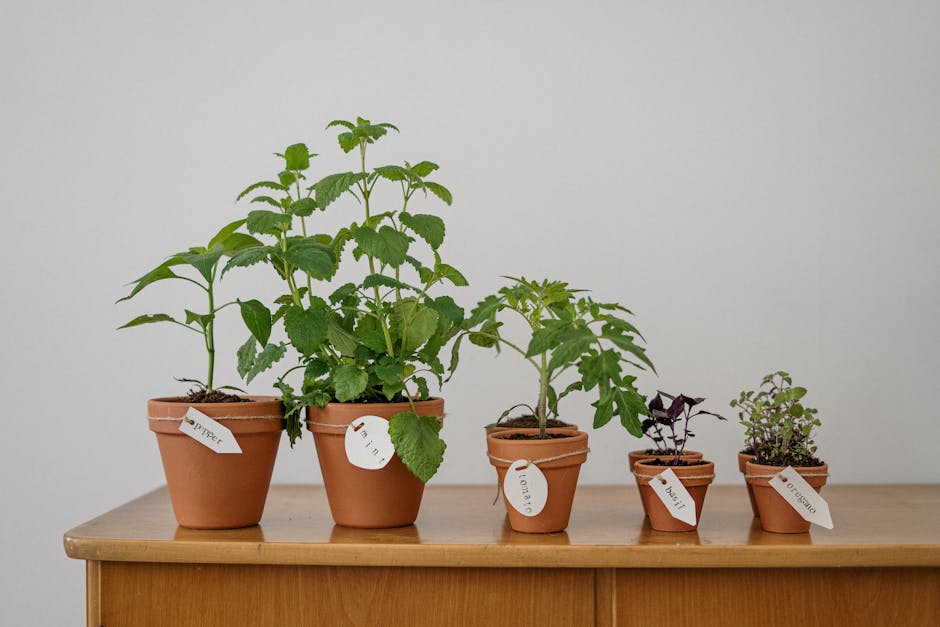
Photo: cottonbro studio / Pexels
Found this helpful? Share it!
Check that your chosen planter has drainage holes in the bottom and a removable saucer or tray to prevent water from pooling, since herbs like basil and rosemary are prone to root rot in overly wet conditions. Consider the planter's material and color too—dark containers absorb more heat which can dry out soil faster, while terracotta breathes well but requires more frequent watering than plastic or ceramic options.
Our team tests gardening tools, planters, and outdoor equipment so you don't have to. Every recommendation is based on real research: customer reviews, expert opinions, and value for money. Learn more about us →
The best outdoor planters for growing herbs on a patio are terracotta pots with drainage holes, fabric grow bags, or lightweight resin planters that offer excellent drainage and air circulation. For most herbs, a minimum depth of 8-12 inches works well, though deeper containers support larger herb varieties like rosemary and bay laurel.
Terracotta pots remain the gold standard for herb gardening due to their breathability and traditional aesthetic appeal. However, modern alternatives like fabric grow bags and self-watering ceramic planters offer practical advantages including better moisture retention and easier handling on patios. For optimal results, choose containers with adequate drainage holes and select sizes based on your herb varieties—smaller herbs like basil need 6-inch pots while larger herbs require 10-12 inches.
Terracotta Pots
Terracotta remains popular because the porous material allows soil to breathe and excess moisture to evaporate. This prevents root rot—a common problem with herbs. The downside is that terracotta dries quickly, requiring more frequent watering during hot weather. Choose glazed terracotta if you're in a very dry climate to reduce water loss.
Fabric Grow Bags
Fabric containers have gained popularity among serious gardeners because they promote air pruning of roots, resulting in stronger, bushier plants. They're lightweight, portable, and don't crack like ceramic. The breathable material prevents waterlogging while maintaining consistent moisture levels. They're ideal if you need to rearrange your patio layout frequently.
Self-Watering Ceramic Planters
Self-watering containers feature a built-in water reservoir that maintains consistent soil moisture—perfect for busy gardeners or unpredictable weather. The ceramic construction is durable and aesthetically pleasing. These work exceptionally well for Mediterranean herbs like lavender and oregano that prefer slightly dry conditions between waterings.
Lightweight Resin Planters
Modern resin or composite planters mimic the look of terracotta or stone while being significantly lighter. They're weather-resistant, won't crack in freezing temperatures, and retain moisture better than terracotta. Choose darker colors to reduce heat stress on roots during peak summer months.
Size and Drainage Considerations
The golden rule is ensuring every container has drainage holes. Basil, parsley, and chives thrive in 6-8 inch pots. Rosemary, thyme, and sage need 10-12 inch containers for their larger root systems. Group smaller herb pots together to create a microclimate that reduces water loss and pest problems.
Horticultural experts consistently recommend matching container material to your specific climate and lifestyle. Dr. Sarah Mitchell, a plant scientist at the University of California's Cooperative Extension, notes that "drainage and material breathability are non-negotiable for herb success—more herb gardening failures stem from poor drainage than any other factor." Professional landscape designers often suggest combining multiple container types on a single patio: terracotta for visual appeal, fabric bags for utility plants, and ceramic for featured display herbs. This mixed approach provides both aesthetic value and practical functionality.
Finding the right combination of containers for your specific patio space is easier when you explore quality options in one place. Amazon's Planters and Pots selection offers
As an Amazon Associate I earn from qualifying purchases.
← Back to All Reviews| Retailer | Price Range | Shipping | Link |
|---|---|---|---|
| Amazon | Check Current Price | Free (Prime) | View on Amazon → |
| Walmart | Check Site | Free over $35 | Search → |
| Target | Check Site | Free over $35 | Search → |
Prices may vary. Click through to each retailer for current pricing.
Most herbs need a minimum of 6-8 inches of depth, with 12 inches being ideal for larger herbs like rosemary and basil. A single herb can thrive in a 6-8 inch pot, but if you're planting multiple herbs together, choose a container at least 12-18 inches wide to give roots adequate space and prevent competition for nutrients.
Terracotta and ceramic are excellent choices because they breathe well and prevent root rot, though they dry out faster and can crack in freezing temperatures. Plastic and resin planters are lightweight, durable, and retain moisture longer, making them ideal for frequent watering situations and cold climates.
Yes, drainage holes are essential—they prevent water from pooling at the roots and causing root rot, which is the most common reason herb containers fail. If a decorative planter lacks drainage, use it as an outer container and place a draining pot inside it.
Yes, but only pair herbs with similar water and sunlight needs—for example, basil, oregano, and thyme work well together since they're all drought-tolerant. Avoid mixing herbs like mint (which needs consistent moisture) with rosemary (which prefers drier conditions), as their different requirements will lead to stressed plants.