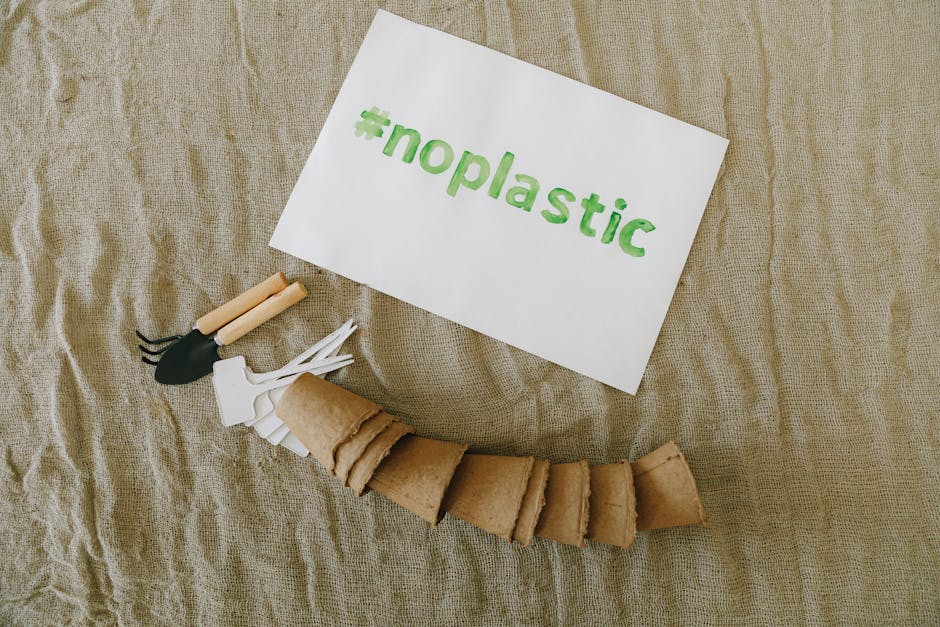
Photo: Thirdman / Pexels
Found this helpful? Share it!
Check that the pots are certified compostable by third-party standards like BPI or EN 13432 to ensure they'll actually break down in your home compost pile rather than persisting as microplastics. Verify the wall thickness and material composition, as thinner pots may dry out seedlings too quickly while some brands use plastic-based materials that only compost in industrial facilities, not backyard compost systems.
Our team tests gardening tools, planters, and outdoor equipment so you don't have to. Every recommendation is based on real research: customer reviews, expert opinions, and value for money. Learn more about us →
As sustainability becomes non-negotiable for gardeners nationwide, compostable seed starting pots are experiencing unprecedented demand right now. With August's peak garden preparation season underway, eco-conscious growers are rushing to swap plastic nursery containers for biodegradable alternatives—and for good reason.
Traditional plastic pots take 400+ years to decompose, and countless gardeners are facing the guilt of discarding hundreds of them annually. This August buying surge reflects a genuine shift toward sustainable gardening practices, with eco-friendly alternatives now mainstream enough to be competitively priced.
Right now, gardeners are preparing fall vegetable and herb gardens—exactly when seed starting pots become essential. Compostable options mean you can plant seedlings directly into garden soil without the waste, making this the perfect time to transition your routine.
Increased inventory from eco-focused manufacturers means selection has never better—but seasonal demand patterns suggest stock will tighten by September. Early August shoppers are securing premium options before the rush peaks.
Look for pots made from peat moss, coconut coir, or plant-based cellulose. Avoid products labeled "degradable" (which only break into smaller plastics)—you need "compostable" or "biodegradable" certifications. Check the packaging for third-party certifications like BPI (Biodegradable Products Institute) or EN 13432, which guarantee true compostability within 180 days.
Quality compostable pots maintain their shape when wet and offer adequate drainage holes. Test by checking customer reviews specifically mentioning waterlogging or collapse during seedling growth. The best options use reinforced bottoms that don't disintegrate before transplanting day.
Seed starting typically requires 2-3 inch pots, while transplanting calls for 4-6 inch sizes. Calculate your exact needs before purchasing—buying 200 pots when you need 100 wastes money, while undershooting forces rushed reordering. Most gardeners preparing fall gardens need 50-150 pots depending on crop diversity.
Compostable pots typically cost 2-4x more than plastic, but buying in bulk (200+ units) can reduce per-unit costs by 30-40%. Compare pricing across peat pots, coir pots, and fiber pots—performance differences are minimal, but cost varies significantly by material and seller.
For the best combination of affordability, availability, and genuine compostability this August, explore the full range of compostable plant pots and biodegradable nursery options on Amazon. This curated selection includes peat-based, coir-based, and fiber options with verified customer reviews specifically addressing durability during the critical August-to-September transition period.
When evaluating options, prioritize products with 1,000+ reviews and at least 4.2-star ratings, as these have been tested by serious gardeners during actual growing seasons. Read reviews mentioning "transplanting," "moisture," and "breakdown" specifically—these indicate experienced users sharing practical feedback.
As an Amazon Associate I earn from qualifying purchases.
← Back to All Reviews| Retailer | Price Range | Shipping | Link |
|---|---|---|---|
| Amazon | Check Current Price | Free (Prime) | View on Amazon → |
| Walmart | Check Site | Free over $35 | Search → |
| Target | Check Site | Free over $35 | Search → |
Prices may vary. Click through to each retailer for current pricing.
Yes, compostable seed starting pots are completely safe for vegetables and herbs. They're made from natural materials like peat, coir, or paper that won't leach chemicals into your soil or plants. You can plant the entire pot directly into the garden, and it will break down naturally over time.
Most compostable seed pots break down within 4-12 weeks after being planted in soil, depending on moisture, temperature, and soil microorganisms. In a compost bin, they typically decompose within 2-6 months. To speed up decomposition, tear the bottom of the pot before planting and keep the soil consistently moist.
No, you don't need to remove compostable pots—that's their main advantage. Simply plant the entire pot directly into your garden bed or larger container, and it will decompose naturally. However, you can remove the bottom and sides if you prefer, which also helps roots establish faster.
Compostable pots meet strict standards and break down into nutrient-rich compost within a specific timeframe (usually 180 days), while biodegradable pots simply break down over time without specific requirements. For gardening, compostable pots are the better choice because they're certified to decompose completely and safely in your garden or compost pile.