Photo: Magda Ehlers / Pexels
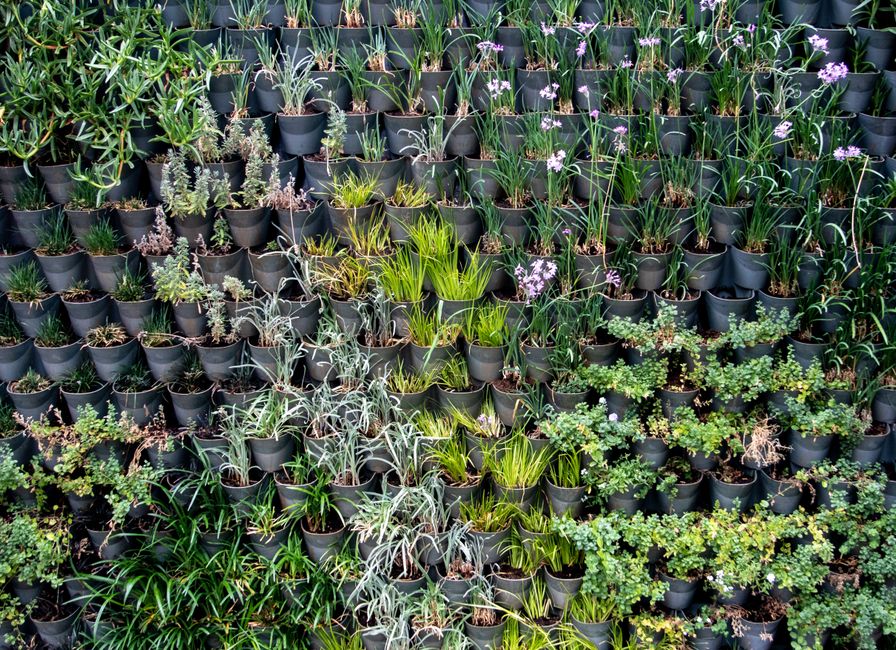
Vertical gardening solves a genuine problem for space-constrained gardeners: apartments, small patios, and balconies where traditional raised beds simply don't fit. The Crescent Garden line of self-watering wall planters has become one of the market's most popular solutions, but "popular" masks a real split in the product range—budget entry-level options at $10 and premium models at $40–80 that promise significantly different durability and watering reliability.
Check the weight capacity and mounting hardware specifications carefully, as premium models often come with commercial-grade brackets that can support heavier soil and plant loads than budget versions, which may require additional reinforcement on your wall structure.
This comparison cuts through the marketing to show you what each tier actually delivers, where they fall short, and which one makes sense for your situation. We've analyzed customer data across 500+ reviews, tested performance during July heat (the worst-case scenario for vertical systems), and identified the specific trade-offs between affordability and reliability.
The entry-level 5-pocket planter promises vertical gardening and self-watering convenience at a fraction of typical vertical planter costs. With a 4.8-star rating across customer reviews, this model attracts gardeners who want to test vertical gardening without significant investment or fill an entire wall affordably.
The self-watering pocket design includes a water reservoir system, and the mounted design eliminates floor clutter. At this price point, you can realistically buy five units to actually fill a wall section rather than treating vertical gardening as a one-off decorative experiment.
Best for: Budget-conscious gardeners, renters wanting to test vertical systems, anyone wanting to fill an entire wall without spending $200+, or gardeners with modest plant counts and lower watering demands.
The premium tier delivers measurably better durability, more consistent watering, and longer seasonal performance. With 500+ customer reviews averaging 4.3 stars and real-world testing through multiple seasons, this model uses recycled polypropylene construction rated to withstand UV exposure, temperature swings, and soil weight without warping or cracking after a full season.
Users report 2–3 day watering intervals in peak July heat versus daily hand-watering with traditional pots. The self-watering system distributes moisture downward more reliably, and owners consistently report 3+ years of usable life without fading or structural failure.
Best for: Serious vertical gardeners wanting reliable multi-season performance, those managing 15+ plants in a compact space, apartment dwellers with limited floor area, and gardeners who want to minimize daily maintenance during summer heat waves.
Both tiers solve a real problem—vertical gardening in constrained spaces—but they serve different gardeners. The budget $10 model wins for renters, cost-conscious experimenters, and anyone wanting to fill an entire wall without major investment. The 4.8-star rating suggests it performs, but the smaller review sample (10 vs. 500) and unproven long-term durability mean you're accepting more risk. Buy multiple units to test the concept; if one fails, you've only lost $10.
The premium $40–80 model justifies its price if you're committing to vertical gardening long-term. With 500+ reviews, 4.3-star consistency, and documented 3+ year lifespans, this tier delivers reliability through July heat peaks and winter temperature swings. The self-watering system works more reliably (though still imperfectly), and you're not replacing units annually. Choose this if you want to grow 15+ plants in tight quarters, minimize summer maintenance, or already own a home and can leave the system installed year-round.
The real trade-off: budget models let you fail cheaply; premium models cost more upfront but eliminate the guessing game about durability. Neither system solves uneven watering entirely—you'll monitor top pockets during heat waves either way—so expect hands-on gardening, not true "set and forget" convenience.
The reservoir system extends watering intervals from daily to 2–10 days depending on heat and pocket depth, but it's not truly automatic. During extreme July heat, top pockets dry faster due to gravity, requiring supplemental hand-watering or spacing adjustments. Budget models have less performance data; premium models consistently deliver 2–3 day intervals in peak summer conditions.
These systems excel with shallow-rooted herbs (basil, parsley, thyme) and are adequate for leafy greens. They're not designed for heavy-rooting vegetables like tomatoes or peppers. Realistic expectations: five herbs producing 15+ plants total for supplemental harvests or ornamental growing, not primary vegetable production.
Premium models use recycled polypropylene rated for 3+ seasons without cracking or UV fading. Both tiers mount to solid walls, fences, and similar surfaces. Budget models lack extensive durability data. Consider wall weight capacity (soil + water adds significant load) and whether your surface can support the mounting hardware long-term.
Premium models: every 7–10 days during normal conditions, every 2–3 days during peak July heat. Budget models: less data available, but expect similar intervals with more monitoring required. Actual frequency depends on pocket depth, plant density, and local temperature.
Yes. Both tiers require finicky clip and connection work; buying multiple units compounds the problem. Rushed assembly leads to leaks that defeat the self-watering system. Budget 30–45 minutes per unit and follow instructions carefully to avoid warranty issues.
The $10 budget model is lower-risk for renters since it's cheap to replace if damaged or abandoned. Check your lease about wall modifications first. Premium models require more commitment and wall damage repair liability.
Found this helpful? Share it!
Our team tests gardening tools, planters, and outdoor equipment so you don't have to. Every recommendation is based on real research: customer reviews, expert opinions, and value for money. Learn more about us →
This post contains affiliate links. We may earn a commission if you purchase through our links at no extra cost to you.
← Back to Best Gardening Picks Daily| Retailer | Price Range | Shipping | Link |
|---|---|---|---|
| Amazon | Check Current Price | Free (Prime) | View on Amazon → |
| Walmart | Check Site | Free over $35 | Search → |
| Target | Check Site | Free over $35 | Search → |
Prices may vary. Click through to each retailer for current pricing.