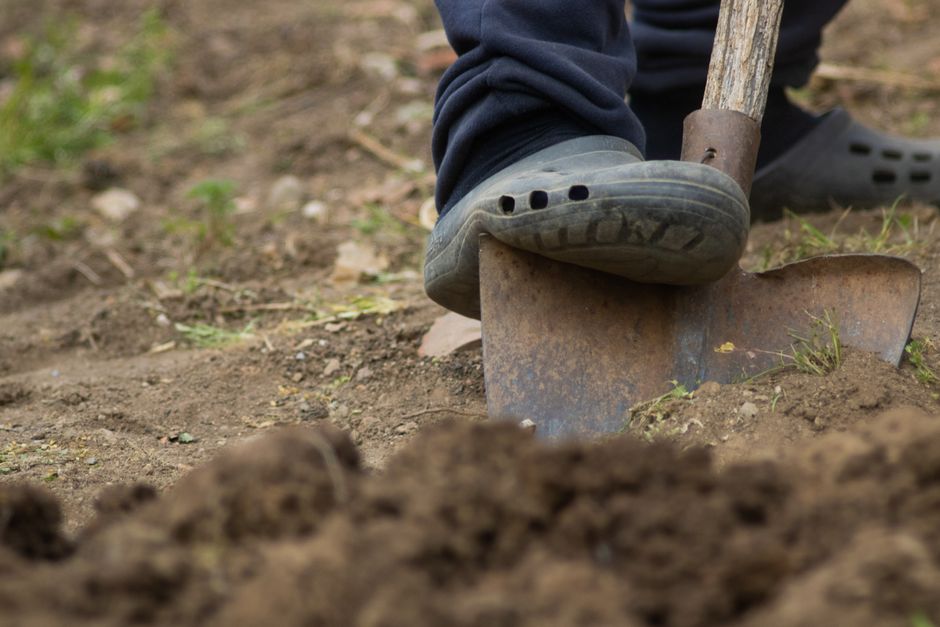
Photo: Riccardo Falconi / Pexels
Starting a garden means choosing digging tools that won't leave you exhausted, frustrated, or broke. The wrong tool sits unused in your shed; the right one makes soil preparation feel manageable instead of like punishment.
When comparing Fiskars and stainless steel spades, check the handle material and length in person if possible, as fiberglass handles on Fiskars tools are lighter for beginners but may feel less stable in dense soil, while wooden or cushioned handles on stainless steel options provide better control for sustained digging. Verify the blade thickness and weight capacity by reading manufacturer specs, since beginner gardeners often underestimate how much effort is needed for turning compacted soil—a heavier, reinforced blade will last longer but requires more physical effort.
The challenge for beginners is that garden centers stock tools designed for professionals, heavy-duty landscapers, and every niche imaginable. What you actually need is something lighter, more comfortable, and versatile enough to handle soil prep, raised bed edging, and planting—without buying five different implements.
This guide compares the digging tools most recommended for beginners, focusing on real differences in construction, comfort, and performance rather than generic marketing language.
The Fiskars Ergo is specifically engineered for ergonomic comfort, with a curved handle and padded grip designed to reduce hand strain and wrist fatigue. It features a fiberglass handle paired with a solid steel blade, keeping weight down while maintaining durability for regular beginner use.
This tool is marketed as the top pick for its balance of comfort, control, and the ability to handle multiple tasks—from soil preparation to planting holes in raised beds.
Best for: Gardeners prioritizing comfort and hand/wrist protection during extended digging sessions
This is a more traditional approach: a sharp, flat stainless steel blade paired with a lightweight fiberglass handle and ergonomic grip. The flat blade excels at edging raised beds and cutting through soil with precision, while the stainless steel resists rust and corrosion.
It's less specialized than the Fiskars but offers solid all-around performance for standard digging, bed prep, and initial ground-breaking work without the premium price tag of branded ergonomic designs.
Best for: Budget-conscious beginners who need a versatile, rust-resistant tool that handles multiple soil types
For maximum comfort and reduced hand fatigue: The Fiskars Ergo Digging Spade wins if you'll be digging regularly and have sensitive wrists or hands. The curved handle and padded grip are engineered specifically to reduce strain during longer sessions. Pay the premium if comfort prevents you from abandoning the tool after one use.
For budget-conscious versatility: A stainless steel garden spade with fiberglass handle delivers 90% of the functionality at 60% of the price. You trade some ergonomic refinement for rust resistance and reliable performance across different soil types. It's the practical choice if your budget is tight or you're uncertain whether gardening will stick.
The real difference: Both tools handle the core beginner tasks equally well—soil prep, planting, and raised bed work. The Fiskars prioritizes comfort for sustained use; the stainless steel spade prioritizes durability and value. Neither is wrong; the choice depends on whether comfort or cost matters more to you right now.
Beginner tools are lighter (reducing fatigue during the learning curve), feature ergonomic handles to prevent injury or discomfort, and are versatile enough to handle multiple tasks. Professional tools are heavier for power, more specialized, and built to withstand intensive daily use. Beginners benefit most from comfort and versatility; professionals need durability under extreme conditions.
Fiberglass handles are lighter, more durable, and weather-resistant compared to wood, which splits, splinters, and deteriorates when exposed to moisture. For beginners storing tools in typical sheds or garages, fiberglass is the better choice—you won't need to maintain or replace handles as frequently.
Yes, if you live in a humid climate or tend to leave tools outside. Stainless steel resists rust and corrosion, extending the tool's lifespan significantly. Regular steel requires cleaning and oiling after use to prevent rust, adding maintenance overhead beginners usually skip.
The blade-to-handle ratio should feel balanced for your height. When standing with the tool in hand, you should not need to stoop or reach awkwardly. A tool that's too long causes back strain; too short forces you to bend excessively. Test the tool's weight and balance in person if possible before buying.
For most beginner tasks—soil prep, planting, bed edging, and amendment mixing—yes. A single quality spade with a flat blade handles all of these. You'll only need specialized tools (narrow-blade spade, mattock, etc.) if you move into advanced landscaping or heavy clay soil work months into gardening.
Found this helpful? Share it!
Our team tests gardening tools, planters, and outdoor equipment so you don't have to. Every recommendation is based on real research: customer reviews, expert opinions, and value for money. Learn more about us →
This post contains affiliate links. We may earn a commission if you purchase through our links at no extra cost to you.
← Back to Best Gardening Picks Daily| Retailer | Price Range | Shipping | Link |
|---|---|---|---|
| Amazon | Check Current Price | Free (Prime) | View on Amazon → |
| Walmart | Check Site | Free over $35 | Search → |
| Target | Check Site | Free over $35 | Search → |
Prices may vary. Click through to each retailer for current pricing.