← All Reviews
Electric vs. Gas Pressure Washers & Blowers: Summer 2026 Buyer's Guide
✓Last updated: July 21, 2026
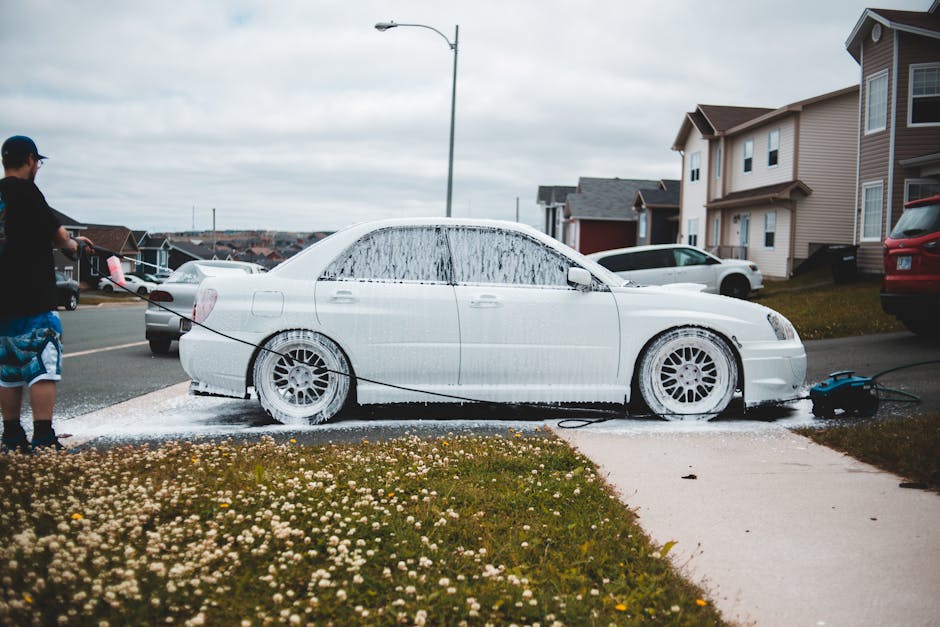
Photo: Erik Mclean / Pexels
⏱11 min read
By Best Gardening Picks Daily • July 21, 2026 • Contains affiliate links
Affiliate Disclosure: As an Amazon Associate, we earn from qualifying purchases. Clicking our links costs you nothing extra and helps us keep reviewing products for free.
Summer 2026 is shaping up to be an excellent year for outdoor cleaning equipment deals, but the real challenge isn't finding promotions—it's choosing the right tool for your specific needs. The market has expanded significantly, with electric-powered options now competing directly with traditional gas-powered equipment, each offering distinct tradeoffs in power, maintenance, noise, and cost.
This guide cuts through the marketing noise and compares the equipment categories homeowners actually consider: electric pressure washers, gas-powered alternatives, and leaf blowers across multiple brands. We'll examine real specifications, identify which option wins for different property sizes and use cases, and help you avoid overspending on features you don't need.
Electric pressure washers have become the default choice for residential cleaning, delivering 1,500–3,000 PSI depending on the model. Giraffe Tools and comparable brands offer compact units ideal for patios, driveways, and apartment-friendly applications. These tools eliminate gas mixing, produce zero emissions, and require virtually no seasonal maintenance beyond hose storage.
The trade-off: electric models operate on corded or battery power, limiting runtime (typically 30–90 minutes per charge for battery models) and range. They're also noticeably quieter than gas alternatives, which is a pro for residential neighborhoods but means less raw power for industrial-scale jobs.
Best for: Homeowners with standard residential properties, apartment dwellers, those prioritizing low maintenance and quiet operation, properties within 100 feet of a power source.
Gas-Powered Pressure Washers
Gas models deliver significantly higher PSI (2,500–4,000+) and sustained runtime without battery constraints, making them the choice for large properties, commercial applications, and heavy-duty tasks like stripping paint or cleaning large commercial buildings. They operate independently of electrical infrastructure and provide consistent power throughout extended cleaning sessions.
The reality: gas equipment requires fuel mixing, regular maintenance (spark plug changes, seasonal winterization), produces emissions, generates substantial noise, and demands more storage space. Initial purchase price is typically lower, but long-term operating costs are higher due to fuel and maintenance.
Best for: Large estates, commercial properties, rural homes without consistent electrical access, users willing to manage fuel and maintenance for superior power.
Cordless Battery-Powered Equipment (Emerging Category)
The newest segment in 2026 combines electric convenience with mobility. Battery-powered pressure washers and leaf blowers eliminate cords entirely, offering 60–90 minute runtimes per charge. Giraffe Tools and competitors increasingly offer battery bundles where a single battery powers multiple tools, reducing overall system cost.
Trade-offs are real: battery capacity determines runtime, charging takes 1–3 hours between uses, and battery replacement costs $80–150+ after 3–5 years. Best suited for interrupted cleaning sessions rather than continuous 4+ hour jobs.
Best for: Homeowners with moderate-sized properties who value portability, those already invested in compatible battery ecosystems, users doing periodic rather than continuous cleaning.
Leaf Blowers & Multi-Purpose Blowers
Seasonal leaf management is often overlooked in budget planning, but 2026 deals bundle pressure washers with dedicated or multi-purpose blowers. Electric blowers from manufacturers like Giraffe Tools offer adequate power for residential properties and integrate with pressure washer battery systems. Gas blowers deliver more forceful output for larger properties with dense tree coverage.
The distinction: electric blowers are ideal for small-to-medium yards and noise-sensitive areas; gas versions dominate large acreage but create neighborhood friction and higher fuel costs. Most summer 2026 deals bundle these tools, so the effective per-tool cost is lower than purchasing separately.
Best for: Seasonal maintenance for average residential properties (electric); large estates with significant landscaping and low neighbor density (gas).
Pros & Cons
Pros- ✓ 2026 summer promotions bundle multiple tools, lowering effective per-tool cost by 15–25% versus year-round pricing
- ✓ Electric equipment from established brands now delivers 80–90% of gas-powered performance for most residential applications
- ✓ Battery-powered systems let you invest once in a platform, then add compatible tools incrementally without repurchasing batteries
- ✓ Longer daylight hours and stable weather in summer make it genuinely easier to complete outdoor projects, justifying the seasonal investment
Cons- ✗ Battery-powered tools have clear runtime limitations (60–90 minutes) that require planning for properties larger than 0.5 acres or continuous work sessions
- ✗ Gas equipment demands ongoing maintenance literacy (fuel mixing, spark plugs, winterization) that many homeowners underestimate or abandon, raising true operating costs
Our Verdict
The honest answer: buy electric if your property is under 1 acre, you have reliable electrical access, and you're willing to accept ~2,000 PSI as sufficient for driveways and patios. Giraffe Tools and comparable electric brands deliver genuine value here, especially with summer bundling—$150+ average order value for multiple tools is legitimately affordable.
Buy gas if you own 2+ acres, regularly face heavy-duty cleaning (paint stripping, deep driveway staining), or live in areas without convenient electrical infrastructure. The higher upfront cost is justified by performance and independence, but budget $200–400 annually for maintenance and fuel.
The middle ground—and likely the best 2026 decision—is a battery-powered system: one quality electric pressure washer, a compatible battery ecosystem, and a multi-use blower attachment. This gives you 80% of gas performance, zero emissions, minimal maintenance, and flexibility to expand later. Summer promotions make this entry point cheaper than ever.
Frequently Asked Questions
What PSI do I actually need for residential cleaning?
1,500–2,000 PSI handles 90% of residential tasks (decks, patios, vinyl siding). Driveways and concrete benefit from 2,500–3,000 PSI. Anything above 3,000 PSI is overkill for most homeowners and risks surface damage. Electric models in the 2,000–3,000 range are sufficient for typical residential properties.
Are electric pressure washers genuinely as powerful as gas models?
No, but they're powerful enough. Electric models max out around 3,000 PSI; gas reaches 4,000+. For residential use, the difference is negligible. The real distinction is sustained runtime: gas operates continuously for hours; electric (especially battery-powered) is limited to 60–90 minutes per charge. This matters on 2+ acre properties, not typical 0.5 acre residential lots.
How long do batteries actually last during a single cleaning session?
Expect 60–90 minutes of continuous use from modern lithium batteries in pressure washers or leaf blowers. This is sufficient for a typical suburban property (driveways, patio, deck) but requires a battery swap for larger or heavily soiled areas. Summer 2026 bundles often include 2–3 batteries, solving this limitation for most homeowners.
What warranty coverage should I verify before buying?
Standard offerings are 1–2 years on the tool itself, 3–5 years on batteries (with capacity degradation after year 3–4). Check whether warranties cover battery degradation—some brands charge replacement fees after stated capacity drops below 80%. Reputable 2026 summer promotions from Giraffe Tools and competitors explicitly state warranty terms to avoid surprises.
Can I damage delicate surfaces (composite decking, vinyl siding) with pressure washers?
Yes, even electric models. The risk is higher with gas-powered equipment (3,000+ PSI) than electric (2,000–3,000 PSI). For delicate surfaces, reduce PSI to 1,500 or less, increase nozzle distance to 12+ inches, and use 40–45-degree fan nozzles rather than 0-degree jets. Most summer 2026 pressure washers include adjustable nozzles; verify this before purchase.
Is the $150+ average order value on electric equipment actually a good deal?
It depends on what's bundled. If the $150+ includes a pressure washer, blower attachment, 2–3 batteries, and charger, yes—individual components would cost $200–300+ separately. If it's a single pressure washer with one battery, shop competitors before committing. Summer 2026 promotions are legitimate, but bundle composition varies significantly.
Found this helpful? Share it!
🌱
Best Gardening Picks Daily Editorial Team
gardening & outdoor expert
Our team tests gardening tools, planters, and outdoor equipment so you don't have to. Every recommendation is based on real research: customer reviews, expert opinions, and value for money. Learn more about us →
This post contains affiliate links. We may earn a commission if you purchase through our links at no extra cost to you.
← Back to Best Gardening Picks Daily
💰 Price Comparison
| Retailer |
Price Range |
Shipping |
Link |
| Amazon |
Check Current Price |
Free (Prime) |
View on Amazon → |
| Walmart |
Check Site |
Free over $35 |
Search → |
| Target |
Check Site |
Free over $35 |
Search → |
Prices may vary. Click through to each retailer for current pricing.