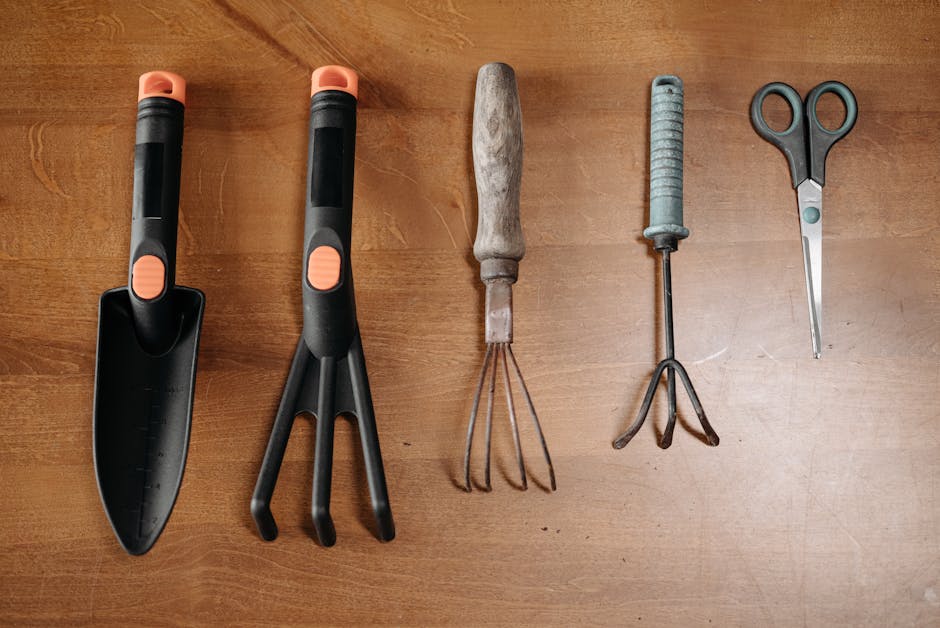
Photo: ROCKETMANN TEAM / Pexels
Starting a garden means choosing between dozens of tools you've never used, at price points you don't understand, with features that sound identical. Most beginners buy complete 20+ piece tool sets they'll never use—or worse, skimp on quality and replace corroded tools every season.
This guide compares the actual tools that matter: hand trowels, pruning shears, garden forks, and watering systems. We'll break down the real differences in materials (stainless steel vs. coated carbon steel), handle ergonomics, rust resistance, and which tools genuinely earn space in your shed versus which are marketing noise.
The goal isn't to sell you everything—it's to help you buy the right four tools that handle 80% of gardening tasks without waste.
The hand trowel is the single most-used tool in beginner gardens. Stainless steel versions resist rust and won't require ongoing maintenance, making them ideal if you're leaving tools outside or in damp sheds. The blade is perfect for digging small holes for transplants, mixing potting soil, and moving soil around raised beds.
Pros: Won't rust after a few seasons; comfortable for extended use if ergonomic handle is prioritized; works for multiple tasks. Cons: Stainless steel versions cost more upfront than bare carbon steel; heavier than some alternatives.
Best for: Anyone starting a garden who wants one reliable tool that won't need replacement or maintenance within 2-3 years
Pruning shears handle deadheading, trimming branches, and cutting plant stems. For beginners, they're essential if you're growing perennials, shrubs, or herbs that need regular maintenance. Quality matters here: cheap shears crush stems instead of cutting cleanly, introducing disease.
Look for stainless steel blades with riveted (not welded) construction, which prevents moisture traps that cause internal corrosion. Wooden handles should be treated hardwood like ash or hickory.
Best for: Gardeners growing perennials, herbs, or flowering plants that require regular trimming and deadheading
The garden fork turns soil, aerates garden beds, and breaks up compacted earth. Coated carbon steel (powder-coated or epoxy finish) provides rust resistance at a lower price point than stainless steel, though it requires you to avoid letting chips in the coating expose bare metal.
This tool is heavier and requires more arm strength than a trowel, so test weight distribution before buying. A well-balanced fork reduces hand fatigue during soil preparation work.
Best for: Gardeners preparing new beds or amending existing soil annually; less critical for container gardeners
A watering can gives you control over water delivery, reducing overwatering mistakes. Plastic versions weigh less when full (critical for those without arm strength), while metal (stainless or coated) lasts longer and looks better in landscape design. For most beginners, 1-2 gallons is the practical sweet spot: larger cans become exhausting to carry repeatedly.
Deep, frequent watering from a can encourages strong root development better than light, frequent misting from a hose.
Best for: Beginners growing vegetables, herbs, or small raised beds; those who want to monitor water amount and avoid overwatering
Compact multi-functional tools (combined cultivator/weeder, trowel with measurement markings) save shed space and budget. These work if you have limited storage and want tools that serve multiple purposes. However, they sacrifice specialization: a combined cultivator/weeder won't outperform a dedicated weeding tool for tough jobs.
Best as supplementary tools after you've bought your core four essentials, not as replacements for them.
Best for: Space-conscious beginners in apartments or small yards; those supplementing core tools, not replacing them
The verdict depends on your garden type and budget priorities.
If you're planting vegetables or perennials in a bed or raised garden, buy: stainless steel hand trowel + pruning shears + garden fork + watering can. This four-tool combination handles 80% of tasks. Total investment: $80-150 for quality versions. This beats buying a 20-piece set where 16 tools sit unused.
If budget is tight ($30-50), prioritize the hand trowel and pruning shears first. A coated carbon steel garden fork can wait until year two. Skip complete tool sets entirely—they're never as good as buying one quality tool at a time.
If you have a tiny balcony garden or container setup, a watering can matters more than a garden fork. Add a compact multi-functional tool instead.
The actual difference between brands comes down to material: stainless steel costs more but never rusts. Coated carbon steel is cheaper but demands regular inspection for chips. Both work—your choice should match whether you'll store tools wet or dry, and how much you want to spend now versus replace later.
Stainless steel resists rust naturally and never requires maintenance, but costs 30-40% more. Coated carbon steel (powder-coated or epoxy finish) provides rust resistance at lower cost, but the coating can chip, exposing bare metal that will rust. Stainless is worth it if you'll leave tools in damp conditions. Coated carbon steel works if you're disciplined about storing tools dry and checking for damage.
Yes. When you're building gardening habits, you'll use tools for longer periods than you expect. Cushioned, well-balanced handles reduce hand fatigue and prevent strain injuries that discourage new gardeners from continuing. Cheap handles with poor grip distribution are a false economy when hand pain makes you quit.
Buy individual tools. Complete 20+ piece sets include duplicates, low-quality materials, and tools you'll never use. Start with four essentials (hand trowel, pruning shears, garden fork, watering can), then add specialized tools only when you need them. Quality matters more than quantity when starting out.
Hand trowels should fit your palm comfortably—test in-store if possible. Garden forks come in standard full-size and shorter, lighter versions; beginners often do better with lighter forks until arm strength builds. Watering cans should be 1-2 gallons (5-8 liters) when full; anything larger becomes exhausting to carry repeatedly.
Yes, if you'll use the tools regularly. A $40 stainless steel trowel outlasts three $15 carbon steel trowels over 5 years, saving money and frustration. If you garden casually, coated tools are fine—just store them dry. For vegetable gardeners and herb growers using tools weekly, stainless steel pays for itself.
Riveted joints (bolted together) allow moisture to drain and dry out. Welded joints trap moisture inside, causing internal corrosion that weakens tools invisibly. Riveted construction lasts years longer, especially for tools exposed to moisture. Prioritize riveted handles and blades.
This post contains affiliate links. We may earn a commission if you purchase through our links at no extra cost to you.
← Back to Best Gardening Picks Daily