Photo: K / Pexels
If you're starting a garden, you've likely seen conflicting advice on what tools are truly essential. Some guides insist you need four core tools; others recommend five or more. The reality is that different gardening styles and garden types benefit from slightly different toolkits—and there's no one-size-fits-all answer.
This guide compares the most commonly recommended starter tools based on real-world use, durability, and actual cost. We'll help you understand what each tool does, where quality matters most, and where you can cut costs without sacrificing functionality.
A small, shovel-like tool that serves as your workhorse for detailed tasks. Hand trowels excel at planting seedlings, digging small holes, weeding, and breaking up compacted soil in tight spaces. Quality matters significantly here: look for a reinforced neck where the handle meets the blade, as this is the failure point in cheaper models. A quality hand trowel typically costs $10–20 and will outlast multiple cheap alternatives.
Best for: Planting, weeding, transplanting, and detailed soil work in containers and small beds
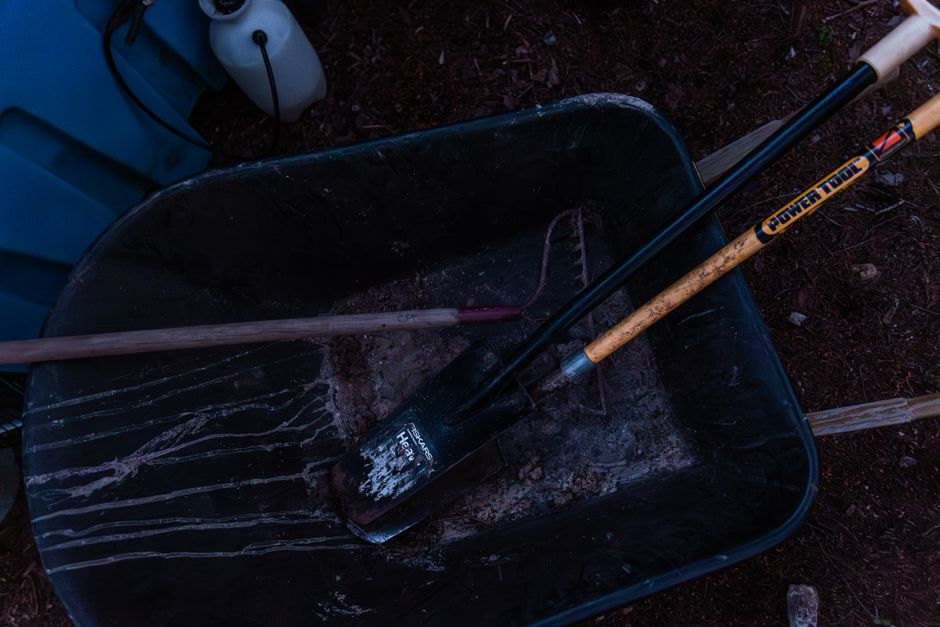
A larger, long-handled digging tool with a flat, sharp blade, ideal for edging, precise digging, and creating planting beds. Spades differ from shovels: shovels have curved blades better for scooping and moving loose materials, while spades cut cleanly through soil and turf. For most beginning gardeners, a spade outperforms a shovel because it handles general garden preparation and soil turning more effectively. Choose a standard 7–8 inch blade with an ergonomic handle suited to your physical strength.
Best for: Soil preparation, turning beds, edging, and larger-scale digging projects
Essential for leveling soil, removing debris, and creating smooth planting surfaces. Metal rakes handle heavy work and compacted soil; bamboo rakes are lighter and better for final, delicate preparation. The choice depends on your soil type and the scale of your garden. A metal rake is more versatile for beginners tackling varied tasks.
Best for: Soil preparation, debris cleanup, and creating level planting beds
Handheld cutting tools essential for maintaining plant health by removing dead branches, deadheading flowers, and trimming overgrown foliage. They're vital if you're growing anything beyond basic vegetables. Pruning shears require minimal maintenance but deserve investment in quality—cheap ones jam, dull quickly, and create ragged cuts that harm plants. Budget $15–30 for a reliable pair.
Best for: Cutting, deadheading, and general plant maintenance in ornamental gardens
Specialized for weeding, breaking up compacted soil, and creating furrows for planting seeds. A standard rectangular hoe works well for most tasks. The hoe becomes more valuable as your garden matures and weeds increase; beginners with small beds may not need one immediately. Consider adding it after your first growing season if weeding becomes time-consuming.
Best for: Weeding, soil cultivation, and furrow creation in larger gardens
For most beginning gardeners, a hand trowel, garden spade, rake, and pruning shears form the essential core. These four tools handle 80% of common gardening tasks and cost $40–$70 invested in quality options. Add a garden hoe if you're planning a vegetable garden larger than 100 square feet, bringing your total to five tools and $60–$100.
Prioritize quality on the trowel and pruning shears—these are high-wear items where cheap construction fails quickly. A mid-range spade and rake can work fine for beginners; you'll upgrade naturally as your gardening evolves. Skip branded tool sets that bundle ten items you'll never touch; instead, buy each essential tool individually so you invest only in what you'll actually use. Start with these basics, add a garden fork and hand rake after your first season if needed, and expand your collection as your projects become more ambitious.
A spade is usually better for beginners. Spades have flat, sharp blades that cut through soil, edge beds cleanly, and handle general garden prep. Shovels have curved blades designed for scooping loose materials—useful for moving compost or mulch, but less versatile for primary gardening tasks.
Budget $30–$100 for a quality 4–5 tool starter set. Allocate more toward the trowel ($15–20) and pruning shears ($15–30), as these are high-wear items. A mid-range spade and rake ($20–30 each) are sufficient for beginners. Avoid cheap tool bundles; you'll replace them within a season.
A hoe becomes essential only if you're growing vegetables in beds larger than 100 square feet or if weeding becomes time-consuming. Small ornamental gardens or container gardens work fine with just a trowel. Add a hoe after your first season if you find yourself struggling with weeds.
Cheap trowels and pruning shears fail at the handle-blade joint within one season. Quality tools have reinforced necks, comfortable grips, and sharper blades. A $15 trowel will outlast three $5 versions. Spades and rakes have less variation in durability, so mid-range options often work as well as premium brands.
Buy individual essential tools rather than bundled sets. Most beginner sets include 8–10 items, and you'll use only 4–5. Individual purchases let you invest in quality where it matters and skip unnecessary extras, saving money overall.
This post contains affiliate links. We may earn a commission if you purchase through our links at no extra cost to you.
← Back to Best Gardening Picks Daily