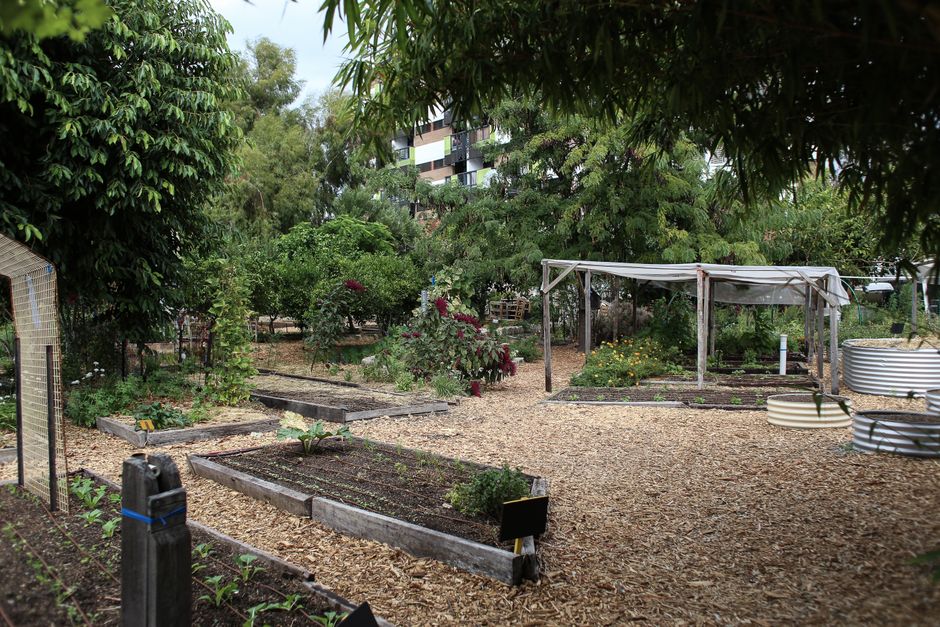
Photo: Rachel Claire / Pexels
Found this helpful? Share it!
Before purchasing shade cloth for vegetable beds, verify the UV stabilization rating and expected lifespan to ensure it will withstand multiple seasons rather than degrading quickly in sunlight. Check that the 50% shade percentage is suitable for your specific vegetables, as some heat-loving crops like tomatoes need less shade while leafy greens benefit from more protection during intense summer months.
Our team tests gardening tools, planters, and outdoor equipment so you don't have to. Every recommendation is based on real research: customer reviews, expert opinions, and value for money. Learn more about us →
This July, record-breaking heat waves are scorching gardens across the country, leaving vegetable beds wilting despite regular watering. Garden shade cloth at 50% density has become the fastest-selling cooling solution for raised beds, offering gardeners a proven way to protect crops and save their harvest before August arrives.
With temperatures consistently breaking 95°F in most regions, vegetables like lettuce, spinach, and kale are bolting within days. A 50% shade cloth drops bed temperatures by 8-15°F, which is the difference between a thriving harvest and complete crop loss. Gardeners who waited until mid-July are now panic-buying to save what's left of their summer vegetables.
Unlike installing permanent shade structures or replacing wilted plants, shade cloth costs $15-40 and installs in minutes. With vegetable seedlings costing $3-5 each and days of watering wasted, shade cloth pays for itself by saving just 5-10 plants. This ROI is driving urgent purchases from budget-conscious gardeners.
Unlike mulching or frequent watering adjustments, shade cloth delivers instant results the moment you install it. No learning curve, no waiting for results, no environmental concerns—just instant temperature relief that keeps vegetables producing through peak summer heat.
50% shade cloth blocks exactly half the sun's rays while allowing enough light for vegetable photosynthesis. This density prevents bolting and heat stress without reducing yields. Avoid 30% (too little cooling) or 70% (too much shade for vegetables). For leafy greens, 50% is optimal; for fruiting crops like tomatoes, you might consider 40%.
Look for shade cloth made from premium polypropylene or knitted polyethylene with UV-stabilized additives. Budget fabrics degrade in 1-2 seasons under intense sun; quality cloth lasts 4-5 years. Check product reviews specifically mentioning durability after summer heat exposure—this matters far more than upfront cost.
Your shade cloth needs compatible mounting hardware. Raised beds work best with clips, grommets, or clamp systems that attach to existing bed frames without modification. Avoid products requiring extensive installation or custom hardware—you need this working today, not next weekend. Measure your bed dimensions before buying.
Calculate your bed square footage and add 20% extra for overlap and edge securing. Heat escapes from uncovered sides and gaps, reducing effectiveness by 30-40%. Rectangular beds 4x8 feet need minimum 40-50 square feet of cloth. Check product dimensions carefully—undersizing is the #1 reason gardeners report disappointing results.
Best Overall 50% Shade Cloth for Raised Beds
The most reliable option combines the right density, durability for extreme heat, and easy raised-bed installation. Browse verified options with real summer-heat reviews here: View Top-Rated 50% Shade Cloth on Amazon
When comparing options, prioritize products with 4.5+ stars specifically mentioning "summer heat" and "vegetable garden" in reviews. Look for cloth that arrived with grommets or clips included—avoiding extra shipping delays.
| Retailer | Price Range | Shipping | Link |
|---|---|---|---|
| Amazon | Check Current Price | Free (Prime) | View on Amazon → |
| Walmart | Check Site | Free over $35 | Search → |
| Target | Check Site | Free over $35 | Search → |
Prices may vary. Click through to each retailer for current pricing.
50% shade cloth blocks half of the sun's rays while allowing 50% of sunlight to pass through, making it ideal for vegetables that need some sun protection during intense summer heat. This density is perfect for heat-sensitive crops like lettuce, spinach, and kale that bolt in full sun, while still providing enough light for photosynthesis and growth.
Leafy greens like lettuce, spinach, arugula, and chard thrive under 50% shade cloth, as do herbs like parsley and cilantro. Partial shade vegetables such as peas, beans, and even some pepper varieties also perform well, though heavy fruiting plants like tomatoes typically need full sun unless you're in an extremely hot climate.
Shade cloth can be draped directly over plants and secured with stakes, landscape pins, or by attaching it to a wooden frame above the bed for easy access. For the most convenient setup, build a simple PVC or wooden frame that sits 12-18 inches above your plants, then fasten the cloth to the frame using clips or ties so you can easily lift it for watering and harvesting.
50% shade cloth may slightly reduce yields for sun-loving crops like tomatoes and squash, but it actually increases productivity for shade-tolerant vegetables by preventing heat stress and extending their growing season. For heat-sensitive greens that would otherwise bolt and become unusable in summer, shade cloth dramatically improves both yield and quality.