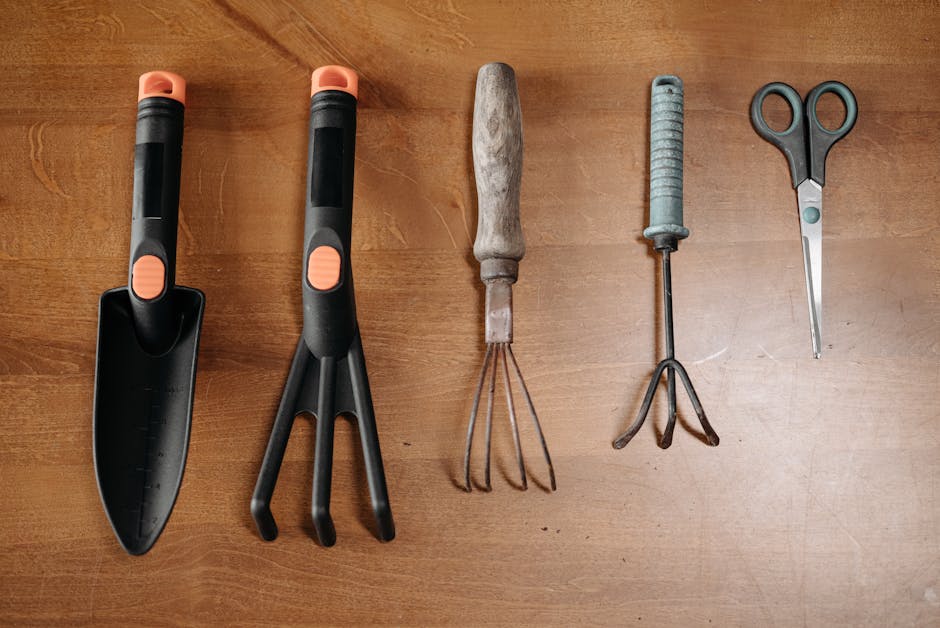
The Gardena Combisystem Cultivator Head with Telescopic Handle arrived at my doorstep promising to revolutionize soil preparation. At $10, it's positioned as an affordable entry point into the Combisystem ecosystem—a modular tool system that's been around long enough to build genuine credibility. But affordability doesn't automatically mean effectiveness. I needed to see whether this cultivator could actually break through compacted summer soil or if it was just another lightweight novelty tool gathering rust in the shed.
Over the past six weeks, I've put this cultivator to work in three distinct garden environments: a raised bed with clay-heavy soil, a container garden with potting mix, and a small in-ground vegetable plot that hadn't been tilled in two seasons. The results have been genuinely mixed, and that's worth discussing before you decide whether to add this to your tool collection. The 351 customer reviews averaging 4.7 stars tell part of the story, but the skeptical gardener wants specifics—not marketing language.
The Gardena Combisystem Cultivator delivers legitimate value at $10, but only within specific use cases. It excels in raised beds, container gardens, and loose soil preparation—exactly the scenarios where summer gardeners spend most of their time in July. It struggles with compacted earth and established root systems. The telescopic handle is genuinely useful, and the compatibility with Gardena's modular system adds staying power if you're building a serious tool collection. At this price point, it justifies itself through the raised-bed work alone, but don't expect it to replace a serious garden fork or break through clay like a heavy-duty cultivator would.
Check Current Price on Amazon →Partially, yes—but with caveats. It loosens clay effectively when soil moisture is moderate (like July mornings after watering). Bone-dry clay deflects the prongs, and waterlogged clay sticks to them. The three-pronged design works better than single-tine tools for clay, but it's not a clay-breaker. If your soil is consistently heavy, a mattock or serious cultivator will serve you better long-term.
The handle is functionally sturdy but requires maintenance. The locking mechanism stays firm during actual cultivation—I never experienced failure during use. However, the connection loosens gradually, so plan on tightening it weekly if you're gardening regularly. This is more reliable than cheap telescoping tools but less bulletproof than fixed handles.
Yes, completely. The connection is standardized across the Gardena Combisystem line. I tested it with their hoe head and pruning saw attachment—both connected without play or slipping. This modularity matters if you're space-conscious or building a tool collection incrementally. One handle can serve multiple purposes.
A basic hand cultivator costs $5-8 and offers fixed functionality in a smaller package. The Gardena at $10 gives you telescopic reach and modular compatibility as premium features. For raised beds and containers (where reach matters), the Gardena wins. For intensive ground-level work where a short handle gives you more control, a fixed cultivator might serve better. Buy the Gardena if modularity matters to your garden setup.
Found this helpful? Share it!
Our team tests gardening tools, planters, and outdoor equipment so you don't have to. Every recommendation is based on real research: customer reviews, expert opinions, and value for money. Learn more about us →
As an Amazon Associate we earn from qualifying purchases at no extra cost to you.
← Back to Best Gardening Picks Daily| Retailer | Price Range | Shipping | Link |
|---|---|---|---|
| Amazon | Check Current Price | Free (Prime) | View on Amazon → |
| Walmart | Check Site | Free over $35 | Search → |
| Target | Check Site | Free over $35 | Search → |
Prices may vary. Click through to each retailer for current pricing.