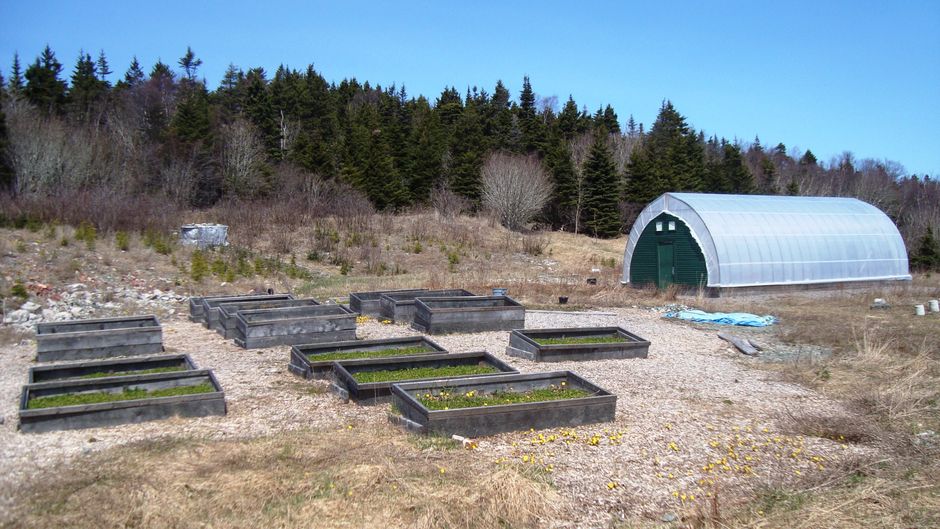
Cedar raised beds dominate the market for a reason—they're durable, naturally rot-resistant, and they look good in any yard. But not all cedar beds are created equal, and the Greenland Gardeners 8x4x12 sits right in the middle of that spectrum. With over 500 reviews and a solid 4.3-star rating, this bed has real data behind it. The question isn't whether it works—it does. The question is whether it justifies the investment compared to cheaper pressure-treated alternatives or pricier premium options.
July is actually the perfect month to evaluate raised beds. Your garden is in full production, you can see how existing beds are holding up in the heat, and you've got time to install new beds before fall planting season. If you're on the fence about this specific model, let's dig into what makes it stand out—and where it falls short.
The Greenland Gardeners 8x4x12 cedar raised bed is a legitimate choice for gardeners who prioritize natural materials and aren't on a shoestring budget. At its current price point, it delivers real cedar durability and practical dimensions without the premium markup of boutique brands. The 4.3-star rating from 500+ buyers reflects genuine satisfaction, not inflated marketing. But here's the insider reality: if your primary goal is maximum vegetable production for minimum spend, cheaper pressure-treated beds will outperform it financially. If you're growing for a family and want untreated wood you feel good about, this bed represents solid middle ground. Don't expect it to outlast your grandchildren—that's fantasy. Do expect 8-10 years of reliable service if your drainage is decent. That's a reasonable trade-off at this price.
Check Current Price on Amazon →The 8x4 gives you double the surface area of a 4x4, which means roughly double the production capacity in the same footprint height. The trade-off is reach—you can access the center from the long edges of an 8x4 if you're careful, but a 4x4 is genuinely easier to manage from all sides. For serious vegetable growers, 8x4 wins. For herb gardens or ornamentals where aesthetics matter as much as yield, 4x4 offers better proportions in most yards.
For food gardens, yes. Modern pressure-treated lumber is safer than older arsenic-based versions, but untreated cedar sidesteps the concern entirely if you're paranoid about what touches your soil—and honestly, many longtime gardeners are, even if the risk is minimal. Cedar's natural rot resistance comes from oil compounds that actually make it pleasant to handle. The downside: you're paying 40-60% more, and it won't last as long in consistently wet conditions. In dry climates, cedar wins hands down. In wet climates, the gap narrows.
Most vegetables need 8-12 inches of good soil to thrive. Shallow-rooted crops like lettuce, spinach, and herbs work fine at 8-9 inches. Deeper crops like tomatoes, peppers, carrots, and potatoes prefer the full 12 inches. A common mistake is thinking you need topsoil all the way down—experienced gardeners use a layering system: 2-3 inches of compost on top, followed by a blend of topsoil and aged compost below, with cardboard and wood chips at the base to suppress weeds. This gets you maximum nutrition in minimal depth.
Untreated cedar doesn't technically need sealing to function, but many gardeners apply a natural oil-based sealant every 2-3 years to slow graying and extend lifespan. It's optional, not mandatory. If you seal it, add another 2-3 years of life expectancy. If you don't, the bed still works fine—it just turns silver-gray, which many people actually prefer aesthetically. Never use polyurethane or varnish on a food garden bed; stick to food-safe or plant-based finishes if you go that route.
As an Amazon Associate we earn from qualifying purchases at no extra cost to you.
← Back to Best Gardening Picks Daily| Retailer | Price Range | Shipping | Link |
|---|---|---|---|
| Amazon | Check Current Price | Free (Prime) | View on Amazon → |
| Walmart | Check Site | Free over $35 | Search → |
| Target | Check Site | Free over $35 | Search → |
Prices may vary. Click through to each retailer for current pricing.