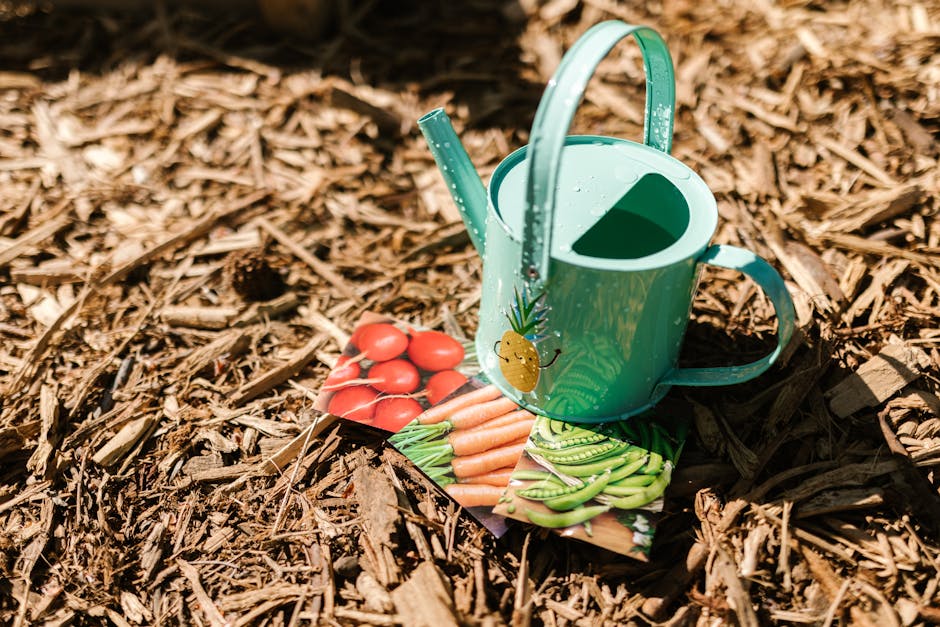
Photo: RDNE Stock project / Pexels
Found this helpful? Share it!
Check the germination rate percentage on seed packets rather than just the expiration date, as seeds can remain viable well beyond their printed date if stored properly in cool, dry conditions. Perform a simple water test by soaking a small sample of seeds overnight—viable seeds will sink while non-viable ones float, helping you determine if older seed stock is worth planting before investing in a full packet.
Our team tests gardening tools, planters, and outdoor equipment so you don't have to. Every recommendation is based on real research: customer reviews, expert opinions, and value for money. Learn more about us →
You can test if seeds are still viable by performing a simple germination test: place seeds on a damp paper towel, roll it up, seal it in a plastic bag, and check after 7-10 days to see how many sprout. Seeds that are properly stored in cool, dry conditions and haven't passed their expiration date are typically still good for planting.
The most reliable way to determine seed viability is the germination test mentioned above, but you can also look for visual signs like color, mold, or damage. Proper storage in cool, dry conditions significantly extends seed life—most vegetable and flower seeds remain viable for 2-5 years when stored correctly. If you're unsure, it's better to test questionable seeds before planting your garden to avoid wasted space and effort.
Understanding seed viability requires knowledge of several factors that affect how long seeds remain capable of sprouting. Let's break down the most important considerations:
Start by examining your seeds closely. Healthy seeds should have their original color and appearance. Look for signs of deterioration such as discoloration, mold (white fuzz or dark spots), cracks, or shriveling. Seeds that smell musty or have an off odor are likely compromised and shouldn't be planted. However, a clean appearance doesn't guarantee viability—seeds can look fine but still have lost germination ability.
This is the gold standard for testing seed viability. Place your seeds on a damp paper towel and roll it loosely. Put the rolled towel in a plastic bag or container and keep it at room temperature. After 7-10 days, unroll the towel and count how many seeds have sprouted. If 70% or more germinate, your seeds are still good for planting. If fewer than 50% sprout, you should consider buying fresh seeds.
Seeds have different lifespans depending on the type. Tomato, pepper, and lettuce seeds typically last 4-6 years. Onion, parsnip, and parsley seeds last only 1-3 years. Cucumber, melon, and squash seeds can last up to 10 years. However, these timelines only apply if seeds are stored properly. Seeds stored in warm, humid conditions deteriorate much faster than those kept cool and dry.
If you've been storing seeds in a warm kitchen drawer or damp basement, they've likely lost viability faster than seeds stored in ideal conditions. Ideal seed storage means cool (40-50°F), dry (below 50% humidity), and dark conditions. A refrigerator or freezer is perfect for long-term storage. Seeds stored in paper packets in your junk drawer will degrade much faster than those in an airtight, cool environment.
Agricultural extension offices across the country recommend the paper towel germination test as the most practical home method for testing seed viability. The University of Minnesota Extension notes that "germination tests give you an accurate picture of seed quality" and can help you adjust planting density accordingly. If your germination rate is low, you can simply plant more seeds to compensate. Seed companies themselves use standardized germination tests to determine when to stop selling seed packets, and you can apply the same principle at home.
One of the best ways to ensure your seeds remain viable for years is to invest in proper storage. A As an Amazon Associate I earn from qualifying purchases.
← Back to All Reviews Shop on Amazon →| Retailer | Price Range | Shipping | Link |
|---|---|---|---|
| Amazon | Check Current Price | Free (Prime) | View on Amazon → |
| Walmart | Check Site | Free over $35 | Search → |
| Target | Check Site | Free over $35 | Search → |
Prices may vary. Click through to each retailer for current pricing.
The easiest method is the water test: place seeds in a glass of water and let them sit for 15 minutes—viable seeds sink to the bottom while non-viable ones float. For more accuracy, use the paper towel test: wrap seeds in a damp paper towel, place in a sealed plastic bag, and check after 7-10 days to see what percentage sprout. Most seeds are still good if 70% or more germinate successfully.
Many seeds can still be viable after 5 years if stored properly in cool, dry conditions, though germination rates typically decline. Hard-seeded vegetables like beans and peas often last 5+ years, while lettuce, onion, and parsnip seeds may only last 2-3 years. Your best bet is to do a germination test before planting to see if they're still worth using.
Dead or non-viable seeds may appear shriveled, discolored, or moldy compared to plump, healthy seeds. However, appearance alone isn't reliable—some viable seeds look small or wrinkled—so germination testing is the most accurate way to confirm if seeds are dead or alive.
Store seeds in a cool, dry place between 32-41°F (0-5°C) with low humidity, such as a refrigerator or freezer in an airtight container with silica gel packets. Keep them away from moisture, sunlight, and temperature fluctuations, as these factors cause seeds to deteriorate faster. Properly stored seeds can remain viable 2-10 times longer depending on the species.