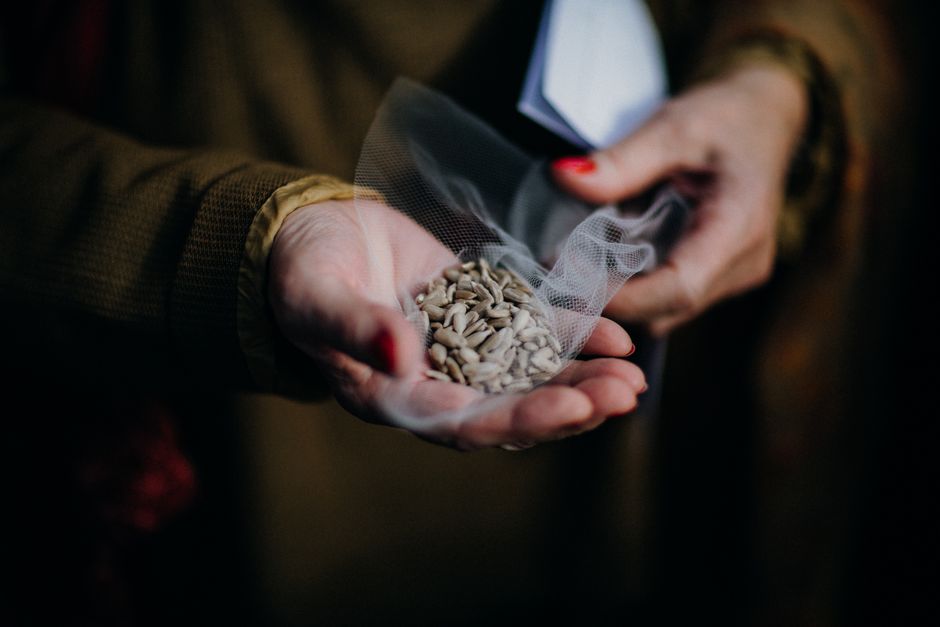
Photo: Rene Terp / Pexels
Found this helpful? Share it!
Our team tests gardening tools, planters, and outdoor equipment so you don't have to. Every recommendation is based on real research: customer reviews, expert opinions, and value for money. Learn more about us →
When evaluating How Long Do Seeds Last In Storage (2026), the key factors to consider are build quality, long-term durability, and whether it genuinely solves the problem it claims to address.
Most vegetable and flower seeds remain viable for 2 to 5 years when stored in cool, dark, dry conditions, though this varies dramatically by species. Onion, parsnip, and parsley seeds may fail after a single year, while tomato, cucumber, and lettuce seeds routinely germinate after 5 to 10 years of proper storage.
Seed longevity depends on three factors: the plant species, the storage conditions, and the seed's moisture content at the time of packing. Under typical household conditions — a cool closet, a sealed jar, and a packet of silica gel — expect 3 to 5 years of reliable germination for most garden vegetables. Store those same seeds in a freezer at low humidity and you can stretch viability to a decade or longer. Left in a hot garage or a humid shed, however, even hardy seeds can be dead within 12 months.
Seeds are living organisms in a state of suspended animation. Every seed contains a tiny embryo surviving on stored energy reserves, and the rate at which those reserves burn away is governed almost entirely by temperature and humidity. Seed scientists use a rough rule of thumb known as Harrington's Rule: for every 10°F drop in storage temperature, seed life doubles. The same doubling occurs for every 1% reduction in seed moisture content. A related guideline states that the sum of storage temperature in Fahrenheit and relative humidity percentage should stay below 100 for good long-term results.
Species matters enormously. Seeds fall roughly into three longevity categories:
Storage environment is the variable you actually control. Heat is the primary killer — seeds stored above 80°F lose viability rapidly. Humidity is the second killer, because moisture reactivates metabolic processes and invites mold. Light and oxygen exposure accelerate decline as well, which is why airtight, opaque containers outperform paper envelopes on a windowsill.
For freezer storage, the seeds must be thoroughly dry first — ideally below 8% moisture content — or ice crystals will rupture the cell walls and kill the embryo. Always let a frozen container return to room temperature before opening it, so condensation forms on the outside of the jar rather than on the seeds.
Even when seeds survive, germination rates decline gradually. A packet that germinated at 95% when fresh might drop to 70% after four years and 40% after seven. Old seed isn't necessarily useless — you simply sow more heavily to compensate. Test viability with the paper towel method: place ten seeds on a damp paper towel, seal in a plastic bag, keep it warm, and count sprouts after 7 to 10 days. Six sprouts means 60% germination, so plant roughly 40% thicker than usual.
Seed bank professionals and extension horticulturists agree that the two enemies of stored seed are heat and moisture, in that order. The Svalbard Global Seed Vault, the world's most ambitious seed preservation project, keeps its collection at approximately 0°F with tightly controlled low humidity — conditions projected to keep many species viable for hundreds or even thousands of years. That principle scales down perfectly to a home refrigerator or chest freezer.
University extension programs consistently recommend storing seed in airtight glass containers with a desiccant rather than in the paper packets seeds ship in, and they emphasize labeling with the harvest or purchase year. Master gardeners also point out a distinction worth remembering: hybrid seeds saved from your own garden won't grow true to type regardless of storage, while open-pollinated and heirloom varieties reproduce faithfully year after year. That's why serious seed savers work almost exclusively with heirlooms — the storage investment only pays off if the seeds produce the plant you expect.
If you want the storage question solved rather than managed, a dedicated heirloom seed vault kit is the most efficient path. These kits package 30 to 100+ open-pollinated, non-GMO vegetable varieties in individually sealed, moisture-proof mylar pouches inside a rugged airtight container, often with desiccant packets already included. Because the seeds arrive properly dried and hermetically sealed, they're rated for 5+ years at room temperature and considerably longer in a freezer — no repackaging, no guesswork about moisture content.
The heirloom aspect is the real advantage. Every variety in a proper vault kit is open-pollinated, meaning you can save seed from your harvest and replant it indefinitely, building your own renewable supply. It's a practical solution for gardeners who want a reliable backup stock, emergency preparedness supplies, or simply a well-organized seed library that doesn't need to be reordered every spring. You can browse heirloom vegetable seed vault kits here to compare variety counts and container styles.
Most garden seeds will serve you well for 3 to 5 years, and cool, dry, airtight storage can easily double that window. Invest in proper containers — or a pre-sealed heirloom seed vault — and you'll be planting from the same stock for a decade instead of reordering every February.
As an Amazon Associate I earn from qualifying purchases.
← Back to All ReviewsMost vegetable seeds remain viable for 2-5 years when stored properly in cool, dry conditions. Tomato, bean, and pea seeds typically last 3-4 years, while carrot and onion seeds last 1-2 years before germination rates decline significantly. You can test old seeds with a simple germination test before planting.
Many flower seeds actually have longer shelf lives than vegetables, with some lasting 5-10 years or more. Marigold, zinnia, and sunflower seeds are particularly long-lived, while petunia and begonia seeds deteriorate faster at 2-3 years. Storage conditions matter just as much for flowers as vegetables.
Store seeds in a cool (32-41°F), dry place in airtight containers with silica gel packets to remove moisture. A refrigerator or freezer works well for long-term storage, and keeping seeds in paper envelopes inside sealed plastic bags prevents humidity damage. Keep seeds away from direct sunlight and fluctuating temperatures.
Yes, seeds often remain viable well past their expiration dates, especially if stored properly—many gardeners successfully plant 1-2 year old seeds. Germination rates will be lower than fresh seeds, so plant more densely to account for potential failures. Always do a germination test on older seeds to check viability before relying on them for your garden.
| Retailer | Price Range | Shipping | Link |
|---|---|---|---|
| Amazon | Check Current Price | Free (Prime) | View on Amazon → |
| Walmart | Check Site | Free over $35 | Search → |
| Target | Check Site | Free over $35 | Search → |
Prices may vary. Click through to each retailer for current pricing.