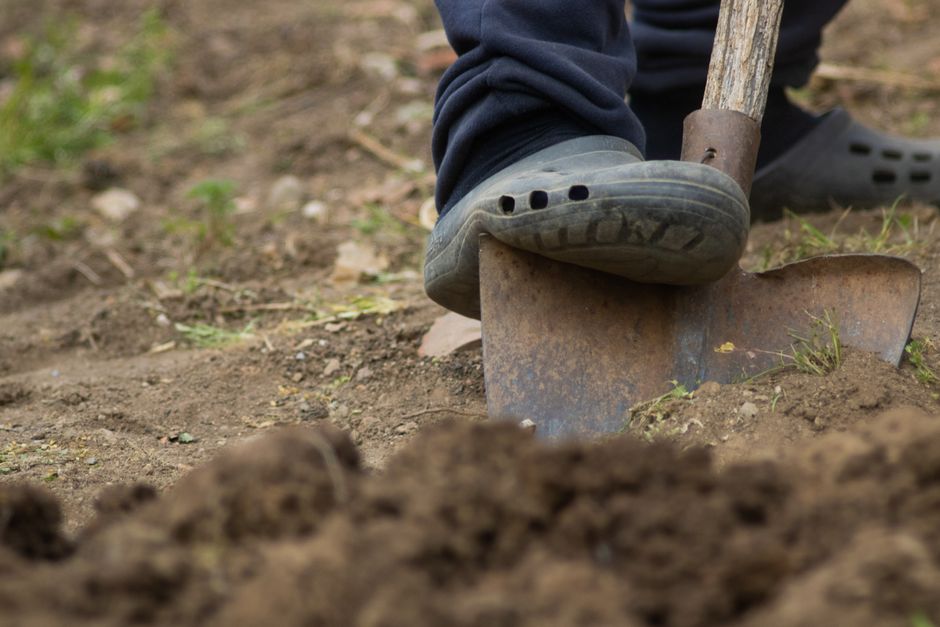
Photo: Riccardo Falconi / Pexels
Summer is the perfect time to tackle ambitious garden projects, whether you're planting new beds, installing garden features, or refreshing your outdoor space. However, choosing the right digging tool can make the difference between a rewarding DIY experience and frustrating hours of unnecessary labor.
At Garden Guru Tools, we understand that not all digging tools are created equal. Each tool serves a specific purpose, and selecting the wrong one can lead to wasted effort, poor results, and potential injury. That's why we've put together this comprehensive guide to help you navigate the options and find the perfect tool for your unique gardening needs.
Before purchasing a digging tool, test the weight and grip in your hand to ensure it feels comfortable for extended use, as a tool that's too heavy or has poor ergonomics can lead to fatigue and strain during long gardening sessions. Match the tool type to your specific soil conditions—sandy soil works well with lighter spades, while clay-heavy soil requires tools with sharper edges and more weight to cut through effectively.
In this post, we'll walk you through the different types of digging tools available, their best uses, and key factors to consider when making your purchase decision.
The first step in choosing the right digging tool is understanding what's available. The most common options include shovels, spades, garden forks, mattocks, and hoes—each designed for different soil conditions and tasks. A shovel has a rounded, curved blade that's ideal for scooping and moving loose materials like mulch or compost. A spade, on the other hand, features a flat, rectangular blade perfect for digging and edging. Garden forks work exceptionally well for breaking up compacted soil and turning compost, while mattocks are essential for rocky or heavily compacted terrain. Garden Guru Tools offers an extensive selection of each type, ensuring you'll find exactly what you need for your project.
Before purchasing a digging tool, assess your garden's soil conditions. Sandy soil is relatively easy to work with and requires only a basic shovel or spade. Clay soil, however, is dense and compacted, making a garden fork or mattock more appropriate. Rocky soil demands a mattock or pickaxe to break through hard terrain. Additionally, consider the scope of your project. Small planting tasks might only require a hand-held tool, while larger landscaping projects benefit from full-sized implements. The experts at Garden Guru Tools can help you identify the best solution based on your specific soil type and project scale.
Investing in high-quality digging tools pays dividends in the long run. Look for tools with reinforced blades, sturdy handles made from wood or fiberglass, and ergonomic designs that reduce strain on your back and shoulders. The handle length should suit your height—typically 48 inches for full-sized tools—and the weight should be manageable for extended use. Garden Guru Tools specializes in premium hand tools and digging equipment built to withstand years of heavy use. Their products combine durability with comfort, featuring ergonomic handles and rust-resistant blades that maintain their effectiveness season after season. Don't compromise on quality; a well-made tool is an investment in your gardening success.
While quality tools typically cost more upfront, they offer superior value over time. Budget options may seem appealing initially but often require replacement within a season or two. Mid-range tools from reputable brands like Garden Guru Tools strike an excellent balance between affordability and durability. Consider your budget and prioritize purchasing at least one high-quality multi-purpose tool that you'll use frequently, then invest in specialized tools as your projects demand them. This approach ensures you have reliable equipment without overspending.
Choosing the right digging tool for your summer garden project doesn't have to be overwhelming. By understanding soil conditions, assessing project requirements, and prioritizing quality, you'll make a smart investment that pays off for years to come. Garden Guru Tools offers a comprehensive range of digging tools, hand tools, and gardening accessories designed for every type of gardener and project. Visit their website today to explore premium options that combine durability, comfort, and affordability. With the right tool in hand, your summer garden projects will be more efficient, enjoyable, and successful. Shop Garden Guru Tools now and discover the perfect digging solution for your needs.
Shop Garden Guru Tools →A shovel has a rounded, curved blade ideal for scooping and moving materials, while a spade features a flat blade designed for digging, edging, and turning soil. Garden Guru Tools carries both options in various sizes.
Choose based on your height and the project scale. Full-sized tools typically measure 48 inches; shorter gardeners may prefer 42-inch handles. Hand tools work well for small projects. Garden Guru Tools offers multiple sizes to fit different needs.
Yes. Quality tools from brands like Garden Guru Tools cost more initially but last significantly longer, perform better, and reduce physical strain through ergonomic design, making them excellent long-term investments.
For clay soil, use a garden fork or mattock to break up compacted earth. These tools are specifically designed to handle dense, heavy soil. Garden Guru Tools offers specialized options for challenging soil conditions.
Clean tools after each use, dry them thoroughly, and store in a dry location. Periodically sharpen blades and apply rust-preventative oil to metal parts to extend tool life and maintain performance.
Found this helpful? Share it!
Our team tests gardening tools, planters, and outdoor equipment so you don't have to. Every recommendation is based on real research: customer reviews, expert opinions, and value for money. Learn more about us →
This post contains affiliate links. We may earn a commission if you purchase through our links at no extra cost to you.
← Back to Best Gardening Picks Daily| Retailer | Price Range | Shipping | Link |
|---|---|---|---|
| Amazon | Check Current Price | Free (Prime) | View on Amazon → |
| Walmart | Check Site | Free over $35 | Search → |
| Target | Check Site | Free over $35 | Search → |
Prices may vary. Click through to each retailer for current pricing.