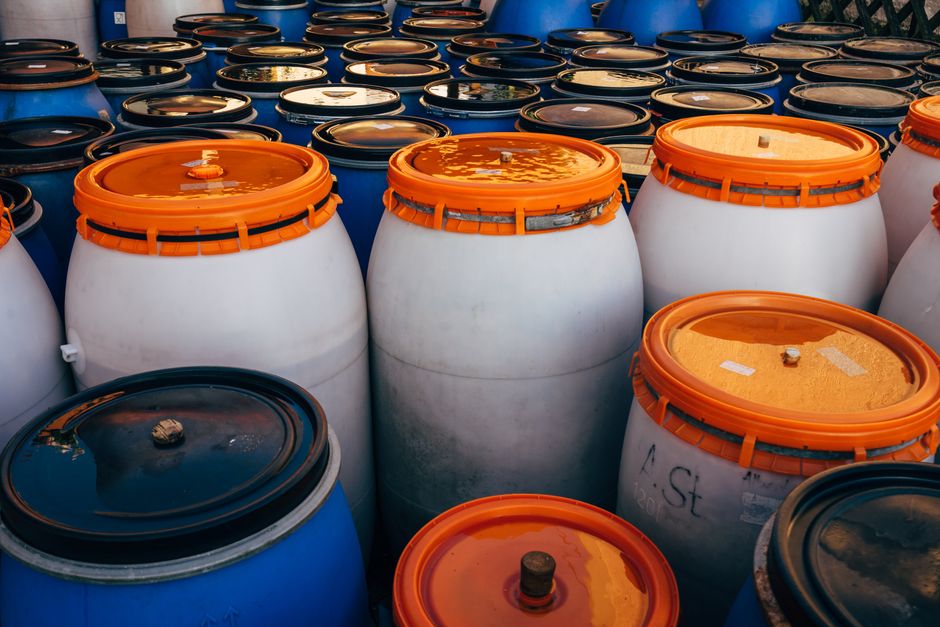
Photo: Markus Winkler / Pexels
Found this helpful? Share it!
When selecting containers for 2026 gardening, prioritize food-grade materials like ceramic, wood, or high-quality plastic labeled UV-resistant and BPA-free, as these won't leach harmful chemicals into soil over multiple growing seasons. Check the container's drainage holes and wall thickness—thicker materials retain moisture better in hot climates while thinner options work well for frequent waterers, so match the material properties to your specific local climate and watering habits.
Our team tests gardening tools, planters, and outdoor equipment so you don't have to. Every recommendation is based on real research: customer reviews, expert opinions, and value for money. Learn more about us →
Selecting the right container material is one of the most overlooked decisions in container gardening, yet it directly impacts your plants' health, your maintenance workload, and how long your garden investment lasts. The wrong material can lead to poor drainage, temperature stress on roots, or containers that crack and fail mid-season. This guide will help you understand the specific strengths and weaknesses of each material so you can match them to your gardening goals.
For most container gardeners, food-grade plastic or resin containers offer the best balance of practicality, durability, and plant health. Specifically, look for containers made from recycled plastic or lightweight resin composites that are UV-stabilized (meaning they won't become brittle and crack from sun exposure). Brands that manufacture food-safe containers often have superior drainage hole designs and wall thickness that prevents root-binding. These containers are ideal because they're lightweight enough to move around your garden as seasons change, they retain consistent moisture without waterlogging, and they won't leach harmful chemicals into your soil like some cheap plastics might.
Plastic and resin containers excel in container gardening because they solve two major problems simultaneously: they're forgiving for beginner gardeners (you can overwater slightly without immediate catastrophe), yet they're refined enough for experienced growers who want precise control. Unlike terra cotta, which dries out rapidly and requires constant watering adjustments, quality plastic containers maintain moisture more evenly, which means your irrigation system (whether it's soaker hoses or drip lines) will work more predictably. This consistency is invaluable when you're growing multiple plants with different water needs in the same garden space.
From a practical gardening perspective, these containers are compatible with all the tools and techniques you'll use regularly. They integrate seamlessly with raised garden beds (you can nestle them inside for organized growing), they're easy to sanitize between plantings, and they accommodate the full range of outdoor plants from herbs and vegetables to ornamental flowers and small shrubs. If you're building a container garden system that you plan to refine and expand over seasons, plastic and resin containers give you the flexibility to experiment without major financial or physical investment in rearranging heavy ceramic or stone containers.
Fabric pots and raised bed containers are ideal for vegetables because they provide excellent drainage and allow roots to air-prune, promoting healthier root systems. Terracotta is also good for most vegetables but dries out faster in hot climates. Avoid thin plastic containers that can leach chemicals and overheat soil in direct sunlight.
Yes, darker materials like dark plastic and terracotta absorb more heat and can warm soil significantly, while light-colored containers and fabric pots stay cooler. In hot climates, choose light-colored or fabric containers to prevent root stress; in cold climates, darker materials help warm the soil for better plant growth.
Ceramic and stone containers last 10+ years but are heavy and expensive. Fabric pots typically last 3-5 seasons before degrading. Plastic containers last 5-10 years depending on UV exposure, while wood containers last 3-7 years before rotting (untreated softwood) or up to 15+ years (treated or cedar). Metal containers are durable but can rust unless galvanized or stainless steel.
Terracotta is the best choice for succulents and herbs because its porous nature allows water to evaporate quickly from both drainage holes and sides, preventing root rot. Fabric pots are also excellent for drainage but may need more frequent watering in dry climates. Avoid ceramic, glazed, or plastic containers for these plants as they retain too much moisture.
As an Amazon Associate I earn from qualifying purchases.
← Back to All Reviews| Retailer | Price Range | Shipping | Link |
|---|---|---|---|
| Amazon | Check Current Price | Free (Prime) | View on Amazon → |
| Walmart | Check Site | Free over $35 | Search → |
| Target | Check Site | Free over $35 | Search → |
Prices may vary. Click through to each retailer for current pricing.