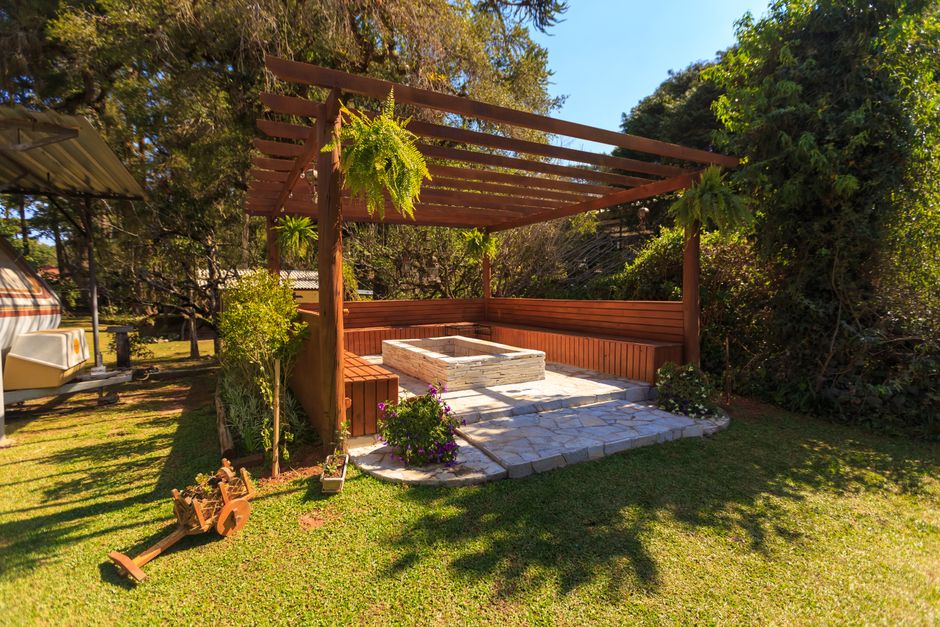
Photo: Matheus Bertelli / Pexels
When it comes to creating the perfect outdoor living space, choosing between a Kozyard pergola and a traditional wooden pergola is a significant decision that affects both your budget and long-term satisfaction. While wooden pergolas have been a classic choice for decades, modern materials and engineering have revolutionized how we think about outdoor structures. Understanding the durability differences between these two options can help you make an informed choice that maximizes your investment.
Check the warranty coverage and material degradation timeline for each option—Kozyard pergolas typically offer 10+ year warranties against weather damage, while wooden pergolas require regular maintenance (staining/sealing every 2-3 years) that significantly impacts long-term costs despite potentially lower upfront prices. Calculate the total cost of ownership including maintenance labor and materials over 10-15 years to determine which structure actually fits your budget and lifestyle.
Kozyard has established itself as a leader in the outdoor furniture and hardtop gazebo industry, offering innovative solutions that address the common shortcomings of traditional wooden pergolas. Their pergolas combine advanced materials with thoughtful design, creating outdoor structures that stand the test of time. Whether you're looking for aesthetic appeal, minimal maintenance, or superior longevity, comparing these options side-by-side will reveal which solution best suits your needs.
In this comprehensive guide, we'll examine the durability factors, maintenance requirements, and long-term value of both Kozyard pergolas and wooden alternatives to help you determine which outdoor structure truly lasts the longest.
The foundation of any durable outdoor structure lies in its materials and construction methods. Wooden pergolas, while beautiful and traditional, are made from natural materials that inherently degrade over time when exposed to the elements. Whether constructed from pressure-treated lumber, cedar, or composite wood, all wooden structures require consistent maintenance to prevent rot, insect damage, and weather-related deterioration.
Kozyard pergolas, by contrast, are engineered using advanced materials such as aluminum and high-quality polycarbonate panels. These materials are specifically selected for their resistance to weathering, UV radiation, and moisture. Kozyard's construction process involves precision engineering and quality control standards that ensure each pergola meets strict durability benchmarks. The non-porous nature of these materials means they won't absorb water, develop mold, or become susceptible to termite damage like wooden structures do.
One of the most significant differences between Kozyard pergolas and wooden pergolas is the maintenance commitment required to maintain their condition. Wooden pergolas demand regular upkeep including annual staining or sealing, periodic sanding, and repairs to damaged boards. Depending on your climate and weather conditions, you may need to perform these maintenance tasks every 1-3 years to prevent structural deterioration.
Kozyard pergolas require minimal maintenance compared to their wooden counterparts. A simple annual cleaning with mild soap and water is typically sufficient to keep them looking pristine. There's no need for staining, sealing, sanding, or refinishing. This dramatically reduces both the time and expense required to maintain your investment over its lifetime, making Kozyard structures an attractive option for busy homeowners.
When evaluating longevity, the numbers tell a clear story. Most wooden pergolas have an average lifespan of 10-15 years before significant deterioration becomes apparent, though this can vary based on wood quality and climate conditions. High-end cedar pergolas might reach 15-20 years with diligent maintenance, but this requires consistent investment of time and money.
Kozyard pergolas are engineered to last 20+ years or longer with minimal maintenance. Many Kozyard customers report that their structures maintain their structural integrity and appearance for decades. The aluminum frames are resistant to rust and corrosion, while the polycarbonate panels resist yellowing and degradation from UV exposure. This extended lifespan makes Kozyard pergolas a superior long-term investment, as the cost per year of use becomes significantly lower than wooden alternatives.
After careful comparison, Kozyard pergolas emerge as the clear winner for long-term durability and longevity. While wooden pergolas offer undeniable aesthetic charm, they come with significant maintenance demands and a shorter lifespan that ultimately drives up the total cost of ownership. Kozyard's innovative approach to outdoor structures combines modern materials with proven engineering to create pergolas that last 20+ years with minimal effort. If your priority is an outdoor structure that will provide reliable performance and beauty for decades to come, a Kozyard pergola represents the superior investment. Visit the Kozyard website today to explore their complete range of durable, low-maintenance outdoor furniture and hardtop gazebos that transform your outdoor living space.
Kozyard pergolas typically last 20+ years with minimal maintenance, while wooden pergolas usually last 10-15 years with regular upkeep. This significant difference in lifespan makes Kozyard structures a better long-term investment for most homeowners.
Kozyard pergolas require minimal maintenance—typically just an annual cleaning with mild soap and water. Unlike wooden structures, they don't need staining, sealing, sanding, or refinishing, saving you time and money throughout their lifespan.
Yes, Kozyard pergolas are engineered with advanced materials like aluminum and UV-resistant polycarbonate that naturally resist weathering, moisture, rot, insects, mold, and sun damage, making them ideal for any climate.
Wooden pergolas are made from natural materials that absorb water, leading to rot, warping, and insect damage. They also require protective finishes that degrade over time. Kozyard's non-porous materials eliminate these vulnerabilities.
While Kozyard pergolas may have a higher initial cost, the extended lifespan (20+ vs 10-15 years) combined with minimal maintenance requirements result in significantly lower total cost of ownership compared to wooden alternatives.
Found this helpful? Share it!
Our team tests gardening tools, planters, and outdoor equipment so you don't have to. Every recommendation is based on real research: customer reviews, expert opinions, and value for money. Learn more about us →
This post contains affiliate links. We may earn a commission if you purchase through our links at no extra cost to you.
← Back to Best Gardening Picks Daily| Retailer | Price Range | Shipping | Link |
|---|---|---|---|
| Amazon | Check Current Price | Free (Prime) | View on Amazon → |
| Walmart | Check Site | Free over $35 | Search → |
| Target | Check Site | Free over $35 | Search → |
Prices may vary. Click through to each retailer for current pricing.