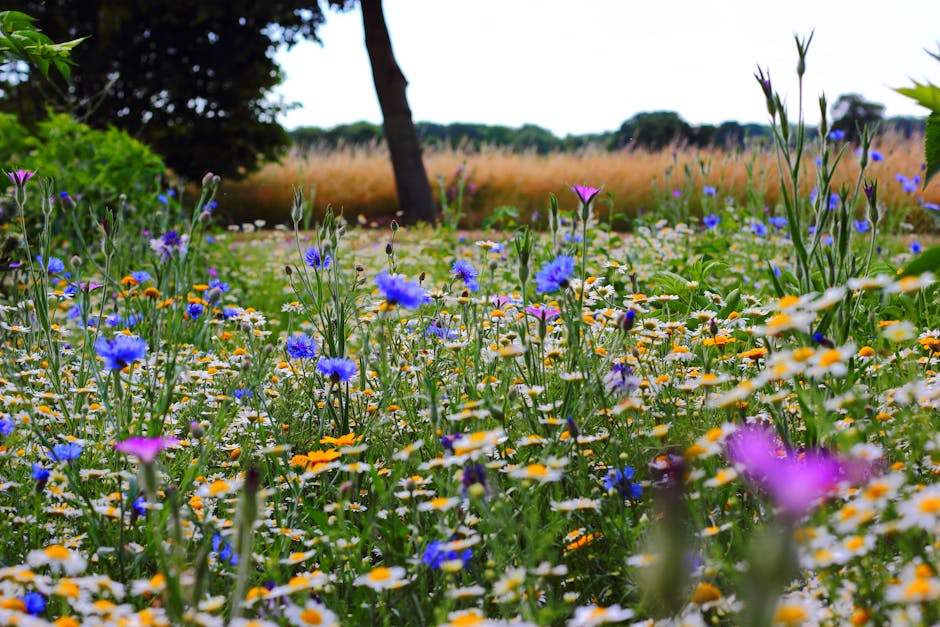
Photo: Freddie Ramm / Pexels
Found this helpful? Share it!
Before purchasing, verify the seed mix is appropriate for your specific USDA hardiness zone and local climate, as native wildflower varieties vary significantly by region and may not thrive if sourced for a different area. Check the germination rate percentage on the packaging and confirm the mix includes species that bloom at different times throughout the growing season for extended pollinator activity.
Our team tests gardening tools, planters, and outdoor equipment so you don't have to. Every recommendation is based on real research: customer reviews, expert opinions, and value for money. Learn more about us →
Pollinator gardening has exploded across Instagram and TikTok, with millions discovering how a simple seed mix can transform backyards into thriving ecosystems for bees and butterflies. As we head into 2026's planting season, demand for native wildflower pollinator seeds is at an all-time high—and for good reason.
Instagram's #PollinatorGarden hashtag has accumulated over 2 million posts, with creators showcasing jaw-dropping before-and-afters of meadow-like gardens bursting with native blooms. The trend shifted from ornamental landscaping to purposeful, wildlife-supporting gardens in 2024, and it's only accelerated. Homeowners now see wildflower mixes as both beautiful and meaningful.
Bee populations continue declining, and Gen Z and millennial gardeners are actively choosing products that support pollinators. Native wildflower seeds address this directly—they're the easiest way to create a pollinator haven without expensive landscaping or specialized knowledge. Buying native seeds feels like taking genuine environmental action.
Spring planting season is already underway in warm zones, and gardeners are buying now to prepare for March-May plantings across the country. Seed companies are seeing inventory pressure, meaning popular mixes are selling faster than ever. Acting now ensures you get exactly the mix you want rather than settling for what's left in April.
Not all wildflower mixes are created equal. Look for seeds labeled specifically for your USDA hardiness zone or region (Northeast, Midwest, Southeast, Southwest, etc.). Generic "wildflower mixes" often include non-native plants that won't support local pollinators effectively. The best mixes list exact species like black-eyed Susan, coneflower, bee balm, and milkweed—and specify they're native to your area.
Check packaging for germination percentages (aim for 75%+ on most seeds). Seeds harvested in 2024-2025 will perform better than older stock. Reputable sellers list harvest or packaging dates. Avoid extremely cheap mixes—seed longevity and viability matter more than price.
Look for mixes specifically marketed toward pollinators, not just general wildflowers. These emphasize plants that bloom at different times (spring, summer, fall) to support pollinators throughout the season. Avoid mixes loaded with fast-growing filler flowers like poppies or cornflowers—they crowd out slower native species and don't provide pollen/nectar when bees need it most.
A quality mix contains 15-25+ different native species. More diversity = better pollinator support and more visually interesting gardens. Be suspicious of mixes with fewer than 8 species or those that don't list ingredients. The package should clearly show which species are included.
Best Overall Native Wildflower Pollinator Mix: Check current options and pricing on Amazon's full selection of pollinator seed mixes. Top-rated mixes consistently have 4.5+ stars, include 20+ native species verified for your region, and promise germination rates above 80%. Filter by your state or zone to ensure you're getting regionally appropriate seeds.
As an Amazon Associate I earn from qualifying purchases.
← Back to All Reviews| Retailer | Price Range | Shipping | Link |
|---|---|---|---|
| Amazon | Check Current Price | Free (Prime) | View on Amazon → |
| Walmart | Check Site | Free over $35 | Search → |
| Target | Check Site | Free over $35 | Search → |
Prices may vary. Click through to each retailer for current pricing.
The best planting time depends on your region, but most native wildflower mixes are planted in fall (September-November) for spring blooms or early spring (March-May) after frost danger passes. Check your specific seed packet or USDA hardiness zone, as timing varies significantly by location.
Yes, native wildflowers perform best with well-draining soil and minimal preparation—remove existing weeds and grass, then scatter seeds directly on bare soil or lightly rake them in. Avoid adding fertilizer, as native plants prefer poor to moderately fertile soil and will thrive without it.
Most seeds germinate within 2-4 weeks under proper conditions, with visible blooms appearing 6-12 weeks after germination depending on the species mix. You'll see peak flowering displays in the second year as perennial plants establish stronger root systems.
This mix is specifically selected to attract native bees, butterflies, hummingbirds, and beneficial insects with varied bloom times and flower shapes throughout the growing season. The diversity of nectar and pollen sources ensures food availability for pollinators from early spring through fall.