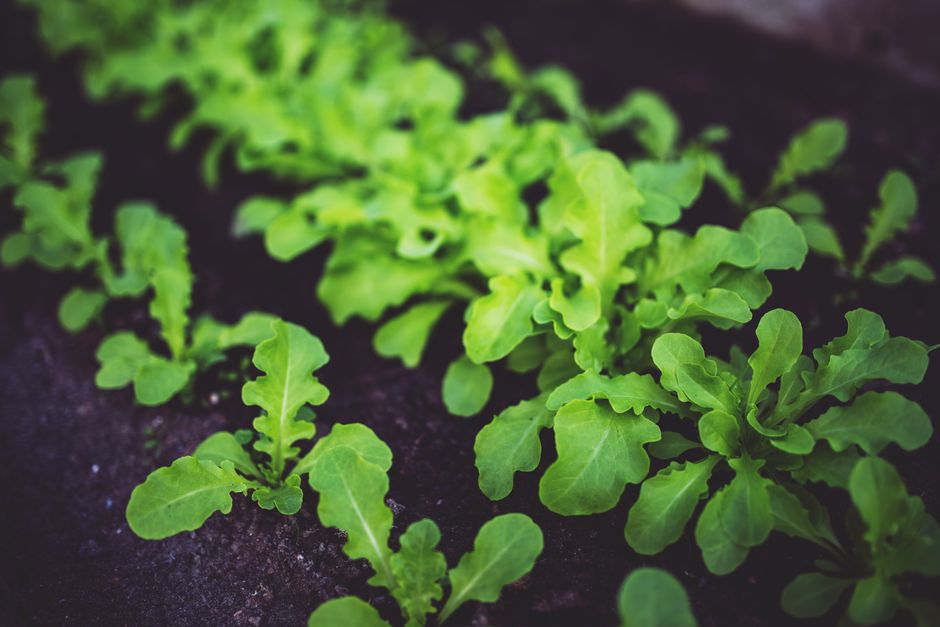
Photo: Karolina Grabowska www.kaboompics.com / Pexels
Summer is peak growing season, and your choice of plant food—organic or chemical—will significantly impact your garden's productivity and long-term soil health. Both approaches have real advantages and genuine tradeoffs, and the right choice depends on your specific gardening goals, timeline, and values.
Before purchasing plant food for summer gardens, check the nitrogen-to-phosphorus-to-potassium (NPK) ratio on the label to ensure it matches your specific plants' needs, as organic options typically release nutrients slower while chemical fertilizers provide immediate results. Consider your garden's soil health and watering frequency, since organic fertilizers work best in established soil with beneficial microorganisms, while chemical options are more forgiving in less-developed garden beds or drought conditions.
This guide breaks down how each fertilizer type actually works, when to use them, and what you should realistically expect from each approach. We'll move past generic recommendations and focus on the practical differences that matter for summer gardening.
Organic fertilizers come from natural sources and work by slowly releasing nutrients as soil microorganisms break them down over weeks. This gradual feeding process improves soil structure, increases microbial activity, and enhances water retention—benefits that accumulate over multiple growing seasons.
Organic products like those from Elixir Garden Supplies' premium range are designed to create a sustainable feeding system. The slow-release mechanism reduces nutrient burn risk and supports long-term soil health, making them particularly valuable for perennial gardens, vegetable patches, and ornamental beds where soil quality matters for future years.
Best for: Gardeners prioritizing long-term soil health, those growing perennials or vegetables, and anyone willing to wait several weeks for visible results
Chemical fertilizers deliver nutrients in immediately available form with precise nitrogen, phosphorus, and potassium ratios. Plants absorb these nutrients quickly, making this option ideal when you need rapid results—such as mid-season recovery from nutrient deficiency or fast growth during peak summer.
These concentrated formulas are easy to apply in exact doses, provide predictable nutrient availability, and require less frequent application than organic options. Chemical fertilizers are particularly effective for container plants and situations where you need visible improvement within days rather than weeks.
Best for: Gardeners seeking fast results, container gardeners, those managing mid-season nutrient problems, and anyone who prefers precise, measurable nutrient dosing
Neither option is universally "best"—the right choice depends on your specific situation. For gardeners prioritizing soil health and willing to plan ahead, organic fertilizers from suppliers like Elixir Garden Supplies deliver lasting ecosystem benefits. They're ideal for vegetable gardens, perennial beds, and situations where you're not fighting an urgent nutrient crisis.
For summer-specific challenges—reviving struggling mid-season plants, supporting container gardens, or achieving rapid blooms—chemical fertilizers are genuinely more effective. They deliver the speed that peak growing season demands.
The most sustainable approach combines both: use chemical fertilizers for immediate summer needs (fast nutrient availability when plants need it), then supplement with organic materials in spring and fall to rebuild soil health. This hybrid strategy avoids the false choice between speed and sustainability, and it's what experienced gardeners typically do when managing serious summer gardens.
Yes. Many gardeners use chemical fertilizers for rapid mid-season feeding while simultaneously building soil with organic materials. Apply chemical fertilizers according to package directions, then add organic compost or bone meal separately. This combination gives you immediate results without sacrificing long-term soil health.
Organic fertilizers typically need application every 4-6 weeks since nutrient release is gradual. Chemical fertilizers release nutrients faster and usually require application every 2-4 weeks. Always follow the product's specific instructions, as rates vary by formulation and plant type.
Organic fertilizers are traditionally preferred for vegetables because they improve soil structure and reduce salt buildup that chemical fertilizers can cause. However, chemical fertilizers work fine for vegetables if you apply them correctly and supplement with organic matter in off-seasons. For edible crops, many gardeners choose organic for peace of mind regarding residue.
Chemical fertilizers are more practical for containers. Container soil drains quickly, so slow-release organic nutrients may not have enough time to work effectively. Chemical fertilizers give you precise control and faster results in the confined space. Container plants also benefit from occasional organic compost top-dressing for long-term health.
Organic fertilizers typically have higher upfront costs per application, but they improve soil over time, reducing future fertilizer needs. Chemical fertilizers are cheaper per application but offer no long-term soil benefit. The most cost-effective strategy combines both approaches rather than relying exclusively on either option.
Found this helpful? Share it!
Our team tests gardening tools, planters, and outdoor equipment so you don't have to. Every recommendation is based on real research: customer reviews, expert opinions, and value for money. Learn more about us →
This post contains affiliate links. We may earn a commission if you purchase through our links at no extra cost to you.
← Back to Best Gardening Picks Daily| Retailer | Price Range | Shipping | Link |
|---|---|---|---|
| Amazon | Check Current Price | Free (Prime) | View on Amazon → |
| Walmart | Check Site | Free over $35 | Search → |
| Target | Check Site | Free over $35 | Search → |
Prices may vary. Click through to each retailer for current pricing.