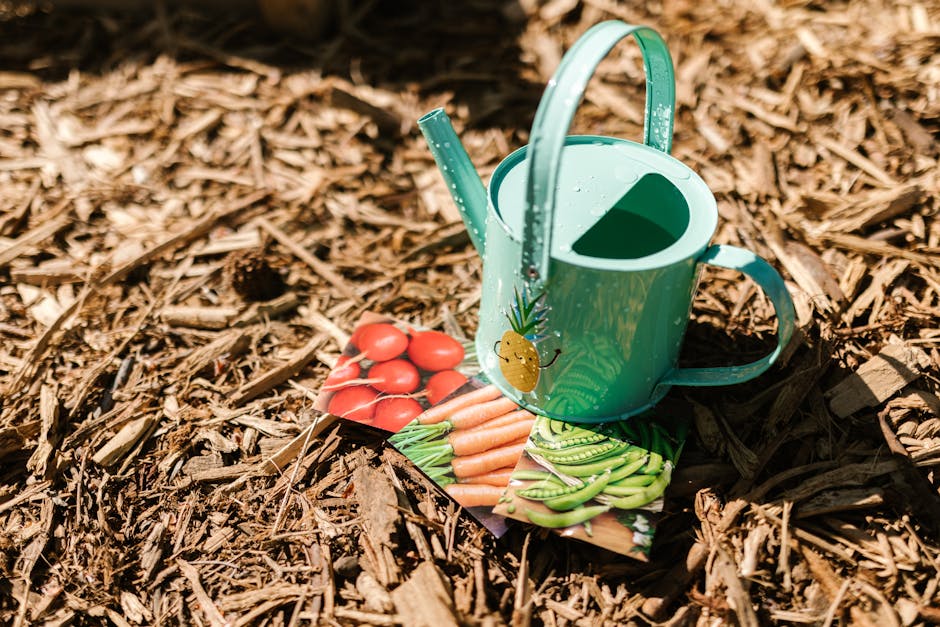
Photo: RDNE Stock project / Pexels
Found this helpful? Share it!
Check that your planter depth matches your vegetable's root system—shallow-rooted crops like lettuce need 6-8 inches, while tomatoes and peppers require 12-18 inches minimum to prevent stunted growth and poor yields. Measure your available space first and account for drainage holes, as oversized planters waste soil and make watering inconsistent, while undersized ones dry out too quickly.
Our team tests gardening tools, planters, and outdoor equipment so you don't have to. Every recommendation is based on real research: customer reviews, expert opinions, and value for money. Learn more about us →
The size of your vegetable planter depends on what you're growing, but most vegetables need a minimum of 5-10 gallons of soil, with larger plants requiring 15-20+ gallons. A good rule of thumb is to provide at least 6-12 inches of depth and enough width so vegetables have 6-12 inches of space between plants.
Most common vegetables thrive in containers that are at least 12 inches deep and 12 inches wide, which holds roughly 5-10 gallons of potting soil. Larger vegetables like tomatoes, peppers, and squash require 20+ gallon containers for optimal growth. The key is ensuring adequate soil volume for root development and consistent moisture retention. Starting with larger containers than you think you need gives your vegetables the best chance of success.
Minimum Size Requirements by Vegetable Type
Different vegetables have different root depths and space requirements. Leafy greens like lettuce, spinach, and kale need only 6-8 inches of depth and can grow in compact 5-gallon containers. Root vegetables such as carrots, beets, and radishes require 8-12 inches of depth to develop properly. Herbs like basil and parsley are content in 6-inch pots.
Fruiting vegetables demand significantly more space. Tomatoes, peppers, eggplants, and cucumbers need 18-24 inches of depth and ideally 5-gallon containers per plant minimum, though 10-gallon containers produce more robust growth. Larger plants like squash, zucchini, and melons require 20-gallon containers or larger because their root systems spread extensively.
Depth vs. Width Considerations
Container depth is often more important than width for vegetables. Most vegetable roots grow downward, so prioritizing depth ensures proper root development and water retention. A tall, narrow planter (18 inches deep, 12 inches wide) often works better than a shallow, wide one. However, some vegetables like lettuce and herbs benefit from wider containers that allow for higher plant density.
Soil Volume and Drainage
Adequate soil volume matters because it acts as a moisture and nutrient buffer. Larger planters dry out more slowly than small ones, reducing your watering frequency and giving plants more stable growing conditions. Ensure your planters have drainage holes—vegetables cannot tolerate waterlogged soil, which leads to root rot.
How Many Vegetables Per Container
One large tomato plant needs its own 10-gallon container. A 5-gallon bucket can hold 2-3 pepper plants or 4-6 lettuce plants. In a 20-gallon container, you might grow 2-3 zucchini plants or 8-12 leafy greens. The general rule is to space plants so they have enough room to reach their mature width without crowding.
Master gardeners and horticultural experts consistently recommend erring on the side of larger containers. The University of California's vegetable gardening guide emphasizes that container size is one of the most common limiting factors in container vegetable success. Larger containers provide thermal stability, reducing temperature fluctuations that stress plants and slow growth. Extension services across the country recommend minimum 5-gallon containers for any vegetable, with 10+ gallons for fruiting plants.
Professional growers note that the "one plant, one container" approach works, but upgrading to the next size category typically
As an Amazon Associate I earn from qualifying purchases.
← Back to All Reviews Shop on Amazon →| Retailer | Price Range | Shipping | Link |
|---|---|---|---|
| Amazon | Check Current Price | Free (Prime) | View on Amazon → |
| Walmart | Check Site | Free over $35 | Search → |
| Target | Check Site | Free over $35 | Search → |
Prices may vary. Click through to each retailer for current pricing.
Tomatoes need at least 5-gallon containers for determinate varieties and 10-15 gallons for indeterminate types that grow larger. A single tomato plant requires a planter that's roughly 12 inches deep and 12 inches wide minimum, though larger containers retain moisture better and reduce watering frequency.
Most vegetables need 6-12 inches of soil depth, with shallow-rooted crops like lettuce and spinach requiring just 6-8 inches, while deeper-rooted vegetables like carrots, peppers, and eggplants need 10-12 inches or more. Root vegetables like potatoes and parsnips may require 12-18 inches of depth to develop properly.
Yes, you can combine compatible vegetables in larger planters by spacing them according to their mature size—for example, a 20-gallon planter can hold two pepper plants or three lettuce plants. Use the formula of giving each plant its individual square footage requirement and ensure the planter is deep enough for all varieties included.
Herbs and leafy greens like lettuce, kale, and basil only need 6-8 inches of depth and can thrive in containers as small as 6-12 inches wide. You can fit multiple plants in a single shallow planter—up to 3-4 lettuce plants or 6-8 herb plants in a standard 12x12 inch container.