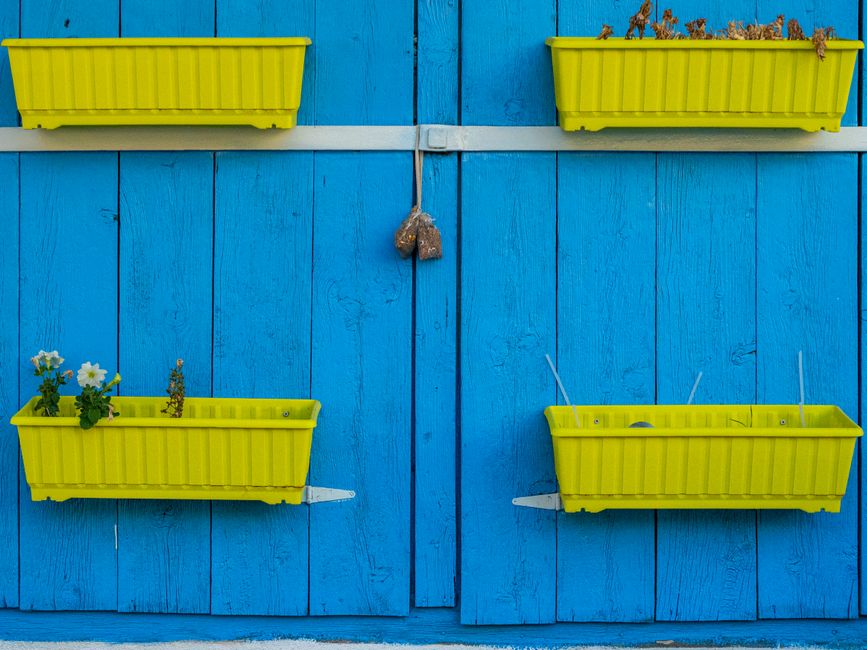
Photo: Murat Halıcı / Pexels
Found this helpful? Share it!
Check that your outdoor planter has drainage holes in the bottom and is made from weather-resistant materials like ceramic, composite, or treated wood, since poor drainage leads to root rot and materials that crack in freeze-thaw cycles will need replacing every season.
Our team tests gardening tools, planters, and outdoor equipment so you don't have to. Every recommendation is based on real research: customer reviews, expert opinions, and value for money. Learn more about us →
The best planter for outdoor flowers depends on your climate, flowers, and maintenance preferences, but ceramic, terracotta, and fabric planters each excel in different situations. Ceramic offers excellent drainage and aesthetics, terracotta provides breathability for delicate plants, and fabric planters promote healthy root systems—choose based on your specific growing conditions and design goals.
For most outdoor flower gardens, ceramic and terracotta planters are the top choices because they provide superior drainage, allow soil to breathe, and create an attractive garden aesthetic. Terracotta works best in dry climates due to its porous nature, while ceramic planters perform better in humid or wet regions where moisture retention is less of a concern. Fabric grow bags are an excellent alternative if you prioritize plant health and root development over appearance. Your choice ultimately depends on your climate zone, the types of flowers you're growing, and how frequently you can water.
Terracotta Planters
Terracotta remains one of the most popular choices for outdoor flowers because it's porous, allowing water and air to pass through the walls. This natural breathability prevents soil from becoming waterlogged, which is critical for preventing root rot in flowers like petunias, marigolds, and zinnias. Terracotta works exceptionally well in arid and semi-arid climates where evaporation is high. However, in humid regions or areas with frequent rainfall, terracotta's porosity can work against you by drying out soil too quickly. Additionally, terracotta is fragile and can crack in freeze-thaw cycles, making it less ideal for cold winter climates.
Ceramic Planters
Ceramic planters offer a middle ground between terracotta's breathability and modern durability. They're typically glazed, which reduces evaporation while still allowing adequate drainage through bottom holes. Ceramic comes in countless colors and finishes, making it the preferred choice for gardeners prioritizing aesthetics alongside function. These planters work well in most climates and are more frost-resistant than terracotta. They're heavier than plastic, providing stability for tall flowers prone to tipping, and they retain heat less than dark plastic, reducing stress on delicate roots during hot summers.
Fabric Grow Bags
Fabric planters have gained popularity among serious gardeners because they promote exceptional root health through air pruning—a natural process where roots are naturally cut off when exposed to air, encouraging branching and a stronger root system. Fabric bags dry out faster than other materials, requiring more frequent watering but preventing the common problem of overwatering. They're lightweight, portable, affordable, and available in various sizes. While less decorative than ceramic or terracotta, fabric bags are unbeatable for growing vibrant, healthy flowers, especially in containers on patios or balconies.
Plastic Planters
Plastic planters are budget-friendly and lightweight, making them ideal for renters or those moving frequently. However, they're the poorest choice for flower health because they don't allow soil to breathe and retain too much moisture, increasing root rot risk. Plastic also degrades under UV exposure and can become brittle in cold climates. Reserve plastic planters for short-term use or as decorative outer containers holding more functional inner pots.
Key Factors to Consider
Climate is the primary factor: choose terracotta for dry regions, ceramic for temperate zones, and fabric for any climate where root health is paramount. Flower types matter too—succulents and drought-tolerant flowers thrive in terracotta's fast-draining environment
As an Amazon Associate I earn from qualifying purchases.
← Back to All Reviews Shop on Amazon →| Retailer | Price Range | Shipping | Link |
|---|---|---|---|
| Amazon | Check Current Price | Free (Prime) | View on Amazon → |
| Walmart | Check Site | Free over $35 | Search → |
| Target | Check Site | Free over $35 | Search → |
Prices may vary. Click through to each retailer for current pricing.
Choose a planter at least 12 inches deep for most flowering plants, with drainage holes to prevent root rot. For larger plants like roses or hydrangeas, use containers 18-24 inches deep and wide enough to accommodate mature root systems without crowding.
Terracotta is breathable and looks attractive but dries out faster and can crack in freezing temperatures. Plastic is lightweight, durable in cold climates, and retains moisture longer, making it ideal for most outdoor conditions.
Yes, drainage holes are essential for outdoor planters because standing water causes root rot and fungal diseases. Without proper drainage, even hardy flowers will struggle and eventually die.
Plastic, resin, and fiberglass are best for cold climates since they won't crack during freeze-thaw cycles like terracotta does. Glazed ceramic is also durable in winter if properly sealed and protected.