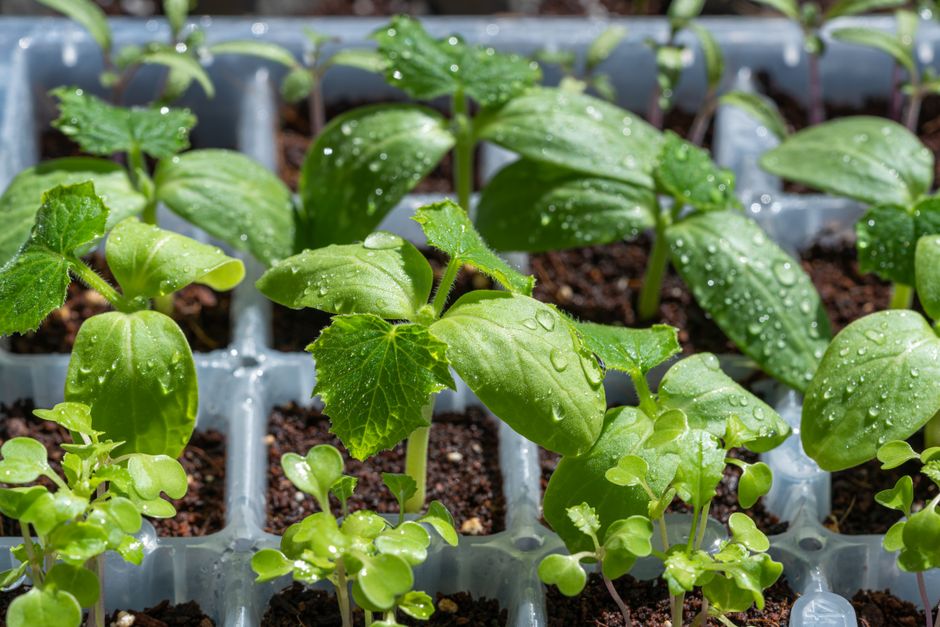
Photo: Frank Schrader / Pexels
Found this helpful? Share it!
Our team tests gardening tools, planters, and outdoor equipment so you don't have to. Every recommendation is based on real research: customer reviews, expert opinions, and value for money. Learn more about us →
The best time to plant vegetable seeds depends on your local frost dates and the specific vegetable's growing season requirements. Most vegetables should be planted after the last spring frost date in your area, though some cool-season crops can be planted earlier or in fall.
For most gardeners, the ideal planting window opens after your area's last spring frost date. Cool-season vegetables like lettuce, peas, and spinach tolerate frost and can be planted 4-6 weeks before the last frost. Warm-season crops like tomatoes, peppers, and squash must wait until soil temperatures reach 60°F or higher and frost danger has completely passed. Check your local frost date calendar to determine the exact timing for your region.
"The optimal planting window for most vegetable seeds is 2-3 weeks after your region's last spring frost date, when soil temperatures reach at least 50-60°F depending on the crop, as seeds germinate poorly in cold, wet soil and are prone to rot before sprouting. For fall crops, count backward from your first expected frost date and plant heat-loving vegetables like tomatoes and peppers 6-8 weeks earlier, while cool-season crops like lettuce and broccoli should go in the ground 8-10 weeks before the first frost to ensure mature harvests."
Understanding when to plant vegetable seeds requires knowledge of three key factors: your local frost dates, soil temperature, and individual vegetable requirements.
Spring Frost Dates: Your region's last spring frost date is the foundation of seed-planting timing. This date marks when it's generally safe to plant tender, warm-season vegetables outdoors. You can find your local frost date by searching "frost date [your zip code]" or consulting the USDA Plant Hardiness Zone Map. Plants exposed to frost below their tolerance level will die or suffer severe damage.
Cool-Season vs. Warm-Season Crops: Cool-season vegetables thrive in temperatures between 50-70°F and can handle light frosts. These include lettuce, spinach, peas, broccoli, cabbage, and kale. You can plant these 4-6 weeks before your last spring frost, and again in late summer for a fall harvest. Warm-season vegetables require soil temperatures of 60-70°F and air temperatures consistently above 50°F at night. This category includes tomatoes, peppers, eggplant, squash, cucumbers, beans, and corn.
Soil Temperature Matters: Soil temperature is equally important as air temperature. Seeds won't germinate in cold soil, even if planted. Invest in a soil thermometer to check conditions before planting. Most warm-season seeds germinate best at 70°F or higher. Planting in soil that's too cold causes seeds to rot or remain dormant.
Succession Planting: Don't plant everything at once. Succession planting—sowing seeds every 2-3 weeks—extends your harvest throughout the season. This works particularly well for fast-growing crops like lettuce, beans, and squash.
Fall Planting: Many gardeners overlook fall planting. Cool-season crops can be planted 8-10 weeks before your first fall frost, giving you a second harvest season of fresh greens and root vegetables.
Horticulturists emphasize that successful seed planting begins with knowing your growing zone and frost dates. The Cooperative Extension System recommends starting seeds indoors 6-8 weeks before your last frost date for vegetables like tomatoes and peppers, then transplanting seedlings outside after frost danger passes. Master gardeners consistently stress that patience pays off—planting too early in cold soil wastes seeds and money, while waiting the extra week or two for proper conditions ensures strong germination and healthier plants.
Quality vegetable seed packets are your best starting point for successful planting. Premium seed packets clearly display maturity dates, planting depth, spacing requirements, and optimal sowing windows. They also include germination information and temperature requirements specific to each variety. Look for packets with detailed instructions and
As an Amazon Associate I earn from qualifying purchases.
← Back to All Reviews Shop on Amazon →| Retailer | Price Range | Shipping | Link |
|---|---|---|---|
| Amazon | Check Current Price | Free (Prime) | View on Amazon → |
| Walmart | Check Site | Free over $35 | Search → |
| Target | Check Site | Free over $35 | Search → |
Prices may vary. Click through to each retailer for current pricing.
Video results for: When Is The Best Time To Plant Vegetable Seeds (2026)
Start seeds indoors 6-8 weeks before your last spring frost date, which you can find using your USDA hardiness zone. This gives seedlings enough time to develop strong roots and true leaves before transplanting outside. Check the seed packet for specific timing, as some vegetables like peppers need 8-10 weeks.
Direct sow seeds into the garden after your last frost date when soil temperature reaches at least 50°F (check with a soil thermometer). Cool-season crops like lettuce and peas can go in 2-3 weeks before the last frost, while warm-season crops like tomatoes and squash need to wait until soil is consistently 60°F or warmer.
Yes, you can plant fall crops in mid to late summer (typically June-July depending on your region) by counting backward from your first fall frost date. Cool-season crops like broccoli, cabbage, and spinach thrive when planted in summer for fall harvest, but warm-season crops won't have time to mature.
Seed starting date is when you plant seeds indoors in trays under grow lights (6-8 weeks before last frost), while planting date is when you transplant those seedlings or direct sow seeds into garden soil outdoors (on or after last frost date). Missing your seed starting date means you'll have smaller, weaker transplants at planting time.