Photo: cottonbro studio / Pexels
Choosing the right planter isn't just about aesthetics—it directly impacts root development, drainage, moisture retention, and ultimately, your harvest. Whether you're growing basil on a kitchen windowsill or tomatoes on a patio, planter material, depth, and drainage capacity matter far more than most gardeners realize.
When selecting a planter for herbs and tomatoes, verify the drainage holes are adequate and the container depth matches your plant's root system—herbs typically need 6-12 inches while tomatoes require at least 12-18 inches to prevent root binding and waterlogging. Choose materials based on your climate: terracotta breathes well but dries quickly in hot weather, while fabric pots and ceramic retain moisture longer, so match the material to your watering schedule and local conditions.
This guide compares the four primary planter options (ceramic, terracotta, fabric, and plastic) and breaks down the specific depth requirements for different plants. You'll find honest tradeoffs for each material so you can match your growing conditions and plant type to the planter that actually works best—not just the cheapest or most decorative option.
Ceramic pots with glazed surfaces reduce water evaporation while maintaining adequate air circulation to roots, making them ideal for indoor environments with lower humidity. They're heavier than plastic (which provides stability for larger plants) and come in numerous sizes and colors suitable for kitchen windowsills and living spaces. The non-porous glaze helps regulate moisture better than raw terracotta, which is especially valuable for herbs that need consistent watering schedules.
Best for: Indoor herb gardeners who want attractive, moisture-retentive containers that display well and reduce watering frequency.
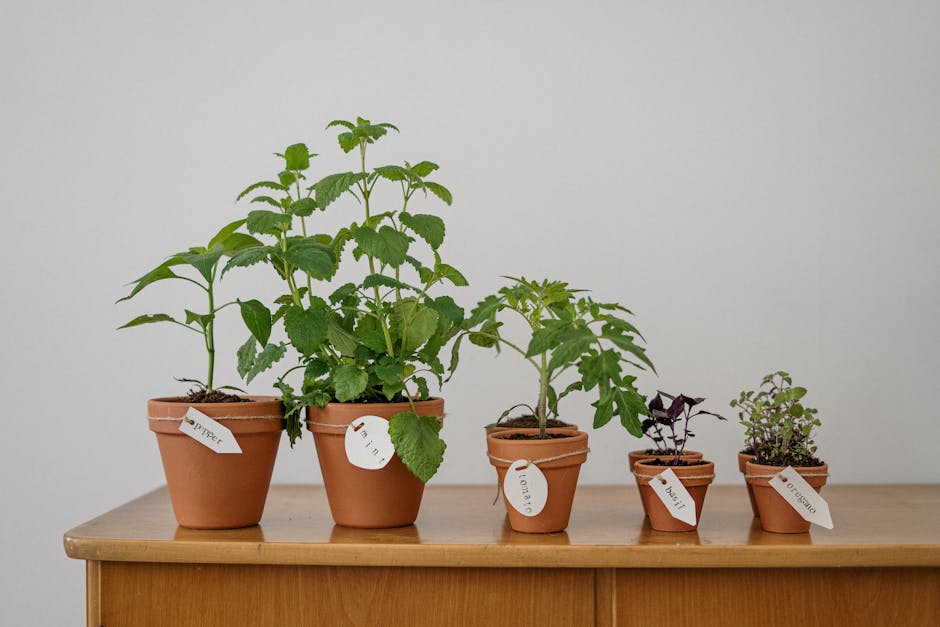
Terracotta offers excellent breathability and is durable for outdoor settings where UV exposure and temperature fluctuations are concerns. The porous material allows faster evaporation, which prevents waterlogging and reduces root rot risk—a major advantage for plants sensitive to moisture problems. Terracotta works best for outdoor herbs and tomatoes, though it requires more frequent watering than ceramic or plastic alternatives, especially in hot, dry climates.
Best for: Outdoor growers and anyone worried about root rot; best for herbs and shallow-rooted plants that tolerate frequent watering.
Fabric pots provide superior root aeration and air-prune root systems, preventing the circling roots that occur in rigid containers. They're lightweight, portable between indoor and outdoor spaces, and offer flexibility for moving plants as light or temperature needs change. Fabric bags require more frequent watering than ceramic or plastic because water evaporates through the sides, but this consistent drainage reduces root rot incidents significantly.
Best for: Gardeners prioritizing root health and flexibility; especially recommended for tomatoes and vegetables that benefit from air-pruning.
Plastic containers are affordable, lightweight, and retain moisture longer than terracotta or fabric, making them practical for consistent watering schedules. They withstand temperature fluctuations and UV exposure reasonably well for dual indoor/outdoor use. Quality plastic pots with multiple drainage holes work adequately for most herbs and vegetables, though they lack the breathability of terracotta or the root-health benefits of fabric.
Best for: Budget-conscious gardeners and those moving plants between environments; functional but less ideal for plants sensitive to overwatering.
Self-watering containers feature a built-in reservoir that automatically maintains consistent soil moisture, eliminating the guesswork for busy gardeners. These are especially useful for indoor herbs and tomatoes where irregular watering would otherwise cause stress or root problems. The automatic moisture management reduces daily maintenance while supporting steady plant growth, though they require initial setup and periodic reservoir refilling.
Best for: Busy gardeners, office windowsill growers, and anyone prone to underwatering; excellent for herbs that prefer steady moisture levels.
For indoor herbs (basil, parsley, chives): Ceramic planters win if you want low-maintenance growth and decor-friendly appearance; self-watering planters are better if you travel or forget to water. Aim for 4-6 inches deep with drainage holes.
For outdoor herbs: Terracotta is the classic choice for durability and drainage, though fabric grow bags outperform it for root health if you're willing to water more frequently.
For tomatoes indoors or outdoors: Fabric grow bags are the strongest choice because they support the air-pruning that tomato roots need for extensive development. Minimum capacity should be 5 gallons for determinate varieties and 10+ gallons for indeterminate types. Depth should reach 18-24 inches to accommodate the deep root systems tomatoes require.
For mixed vegetables: Plastic planters with multiple drainage holes work as a practical middle ground—they're affordable, weather-resistant, and adequate for most crops. Pair with a 12-18 inch depth for medium-rooted crops (beans, chard, kale) and 18-24 inches for deep-rooted vegetables (carrots, parsnips, large tomatoes).
The single most important factor across all materials: drainage holes are non-negotiable. Root rot is the leading cause of herb and vegetable failure in containers, and no planter material compensates for blocked drainage.
Shallow-rooted vegetables (lettuce, spinach, radishes) need 6-8 inches. Medium-rooted crops (herbs, beans, chard, kale) require 12-18 inches. Deep-rooted vegetables and tomatoes need 18-24+ inches for proper root development and stability. Undersizing the depth stunts growth and reduces yield.
No. Tomatoes have extensive root systems that need 18-24 inches of depth minimum. Determinate (bush) varieties can work in 5-gallon containers (roughly 12 inches deep), but indeterminate (vining) types need 10+ gallons and greater depth. Shallow planters cause root binding, nutrient stress, and reduced fruit production.
Fabric grow bags and terracotta are most effective because they allow air circulation and water evaporation. Ceramic glazed pots rank second. Plastic requires strict attention to drainage holes and watering schedules. Regardless of material, ensure multiple drainage holes and never let the pot sit in standing water.
Terracotta and fabric require daily or near-daily watering in warm weather due to high evaporation. Ceramic and plastic retain moisture longer and can go 2-3 days between watering. Self-watering planters hold moisture for 7-14 days depending on plant size and temperature. Indoor herb planters typically need water 2-3 times per week regardless of material.
Yes, but material matters. Fabric, plastic, and treated resin planters withstand temperature fluctuations and UV exposure. Terracotta can crack in freezing temperatures, and ceramic may not survive rough handling. Plastic and resin are lightest for frequent moving; terracotta is heaviest. Plan on 2-week acclimation periods when transitioning plants between drastically different light and temperature conditions.
Found this helpful? Share it!
Our team tests gardening tools, planters, and outdoor equipment so you don't have to. Every recommendation is based on real research: customer reviews, expert opinions, and value for money. Learn more about us →
This post contains affiliate links. We may earn a commission if you purchase through our links at no extra cost to you.
← Back to Best Gardening Picks Daily| Retailer | Price Range | Shipping | Link |
|---|---|---|---|
| Amazon | Check Current Price | Free (Prime) | View on Amazon → |
| Walmart | Check Site | Free over $35 | Search → |
| Target | Check Site | Free over $35 | Search → |
Prices may vary. Click through to each retailer for current pricing.