Photo: Mike Bird / Pexels
Summer gardening demands efficient watering equipment, but the market offers competing solutions with genuinely different strengths. A retractable garden hose reel like Hoselink excels at storage and versatility, yet drip irrigation systems dominate in water conservation for hot climates, while soaker hoses and micro-sprinklers occupy the middle ground. Which one actually makes sense for your garden depends on your space, climate, plant types, and budget—not marketing claims.
Before choosing between these watering systems, assess your garden's layout and plant types—drip irrigation and soaker hoses work best for organized beds and water-sensitive plants, while garden hose reels suit varied landscapes and frequent manual adjustments. Calculate the total watering time and water pressure needed for your space, as drip systems require lower pressure but offer superior efficiency, whereas hose reels demand more active management but provide flexibility for multiple tasks.
This guide cuts through the noise by comparing the major watering approaches mentioned across real garden equipment reviews, highlighting specific advantages and limitations of each. You'll find honest trade-offs: wall-mounted reels save space but require manual effort; drip systems use less water but demand upfront installation; sprinklers cover large areas efficiently but waste water to evaporation in extreme heat.
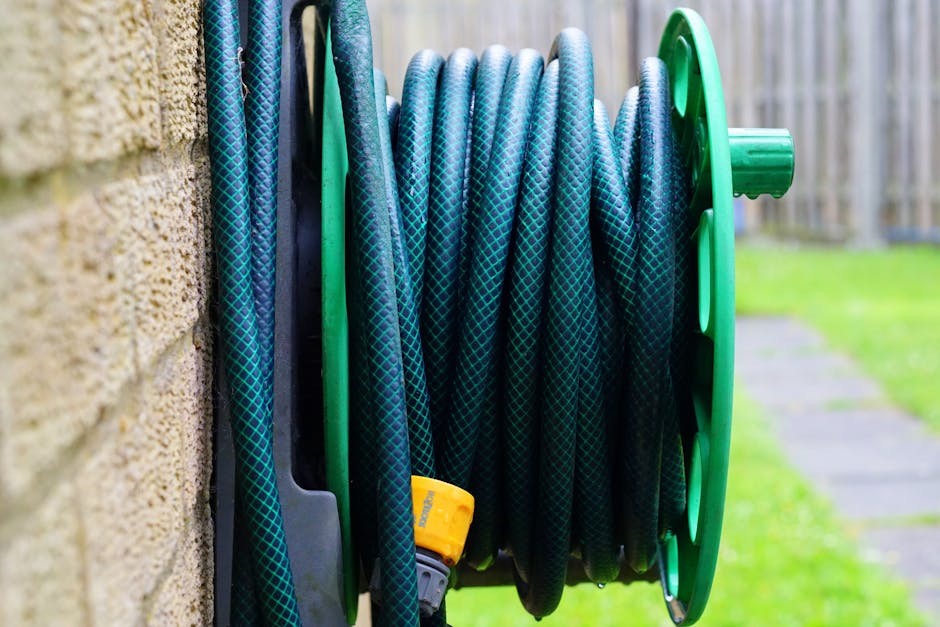
Retractable garden hose reels, particularly models from Hoselink, automatically wind up the hose with minimal manual effort. These systems come in wall-mounted versions (ideal for patios and small spaces) and freestanding models (better for larger gardens requiring reach across multiple zones). Hoselink specializes in combining durability with automatic retraction, positioning itself as a premium solution at average order values of $250+.
The core appeal is convenience: no hand-cranking, reduced tangling, and neat storage that keeps gardens looking organized. However, hose reels themselves don't reduce water consumption or deliver water more efficiently than other methods—they're storage and deployment tools.
Best for: Gardeners prioritizing convenience and organization who already have adequate watering methods; those with limited ground space (wall-mounted options); larger gardens needing flexible hose reach across multiple zones.
Drip irrigation delivers water slowly and directly to soil at the base of plants, minimizing evaporation and runoff. This method is widely considered the gold standard for hot climate gardening because water penetrates deeper into root zones while losing less to surface evaporation. Systems can be semi-automated or fully automated, making them suitable for consistent moisture delivery without daily monitoring.
Installation requires more planning than unrolling a hose, but the water efficiency payoff is substantial—drip systems use less total water while often delivering healthier plant growth. They're particularly effective for vegetable gardens and plants that benefit from consistent, deep moisture.
Best for: Hot climate gardeners; those managing vegetable patches or plants requiring consistent moisture; gardeners with utility bills they want to reduce; properties with sandy soil that drains quickly.
Soaker hoses lay on or near soil and slowly seep water directly to plant roots, offering a middle path between traditional sprinklers and full drip irrigation. Micro-sprinklers provide similar low-pressure, targeted watering. Both methods significantly reduce evaporation compared to overhead sprinklers and are more water-efficient than broadcast watering.
These are simpler to install than formal drip irrigation systems and more affordable, but less sophisticated. They work best when laid out strategically and may require repositioning if your garden layout changes. Performance in extreme heat is strong, though not quite as precise as automated drip systems.
Best for: Budget-conscious gardeners wanting to improve water efficiency; those with flower beds and borders; gardeners in hot climates who want a simpler alternative to full drip installation; small to medium gardens.
Oscillating sprinklers cover large areas efficiently by distributing water in a back-and-forth spray pattern, making them practical for lawns and wide border areas. They're straightforward to set up, widely available, and affordable, requiring only a hose connection and ground stakes.
The trade-off is water loss: significant evaporation occurs in direct sun and heat, and drift can water pavement or sidewalks rather than plants. In extreme heat conditions typical of summer gardening, oscillating sprinklers lose more water than soaker or drip methods. They work best for grass and established plants that tolerate broader watering patterns.
Best for: Lawn maintenance; large open areas needing broad coverage; gardeners unconcerned with water conservation; regions with moderate climates and lower evaporation rates.
Traditional garden hoses with spray nozzles offer maximum control and versatility for spot-watering, cleaning, and adjusting water pressure on the fly. This method is direct—you control exactly where water goes, when, and how much. It's the cheapest entry point and works for any garden size.
The downside is labor: hand-watering requires regular attention, and it's easy to over- or under-water. In summer heat, it's also less efficient than methods reducing evaporation. Best suited for gardeners with time to invest and smaller gardens that don't demand daily watering schedules.
Best for: Small gardens; gardeners with time and patience; those needing precision control for delicate plants; gardeners testing different watering approaches before investing in permanent systems.
No single option wins universally—the right choice depends on your specific situation. For hot climate gardening prioritizing water conservation: drip irrigation systems deliver the best results despite higher upfront cost. For those wanting convenience without sacrificing efficiency: soaker hoses or micro-sprinklers offer a practical compromise. For large-area lawn watering: oscillating sprinklers remain appropriate, though expect higher water use. For gardeners valuing organization and hose management: a retractable hose reel like Hoselink pairs well with any of these methods—it solves storage, not delivery efficiency.
The smartest approach often combines systems: use a retractable reel for flexible hand-watering and spot work, install drip irrigation or soaker hoses in permanent beds and vegetable gardens, and reserve sprinklers for lawn maintenance. This hybrid strategy gives you control, efficiency, and reduced labor across different garden zones. In summer heat, prioritizing direct-to-soil watering methods (drip, soaker, micro-spray) over overhead techniques will consistently reduce your water bill and improve plant health, making the upfront effort worthwhile for any serious gardener.
Early morning (5–9 AM) is ideal because plants absorb water before intense daytime heat, and less water is lost to evaporation. Avoid midday watering when evaporation is highest. Evening watering is acceptable but increases disease risk by leaving foliage wet overnight.
Frequency depends on soil type and plant maturity. Sandy soils drain quickly and need more frequent watering; clay retains moisture longer. Newly planted areas need consistent moisture (often daily), while established plants may need less frequent but deeper watering. Drip or soaker methods allow you to water longer at lower frequencies, matching plant needs better than daily hand-watering.
Drip irrigation systems are the most water-efficient because they deliver water directly to soil at low pressure, minimizing evaporation. Soaker hoses are a close second. Oscillating sprinklers lose the most water to evaporation in direct sun. Hand-watering with a nozzle falls in the middle, depending on user discipline.
Technically yes, but it's inefficient in hot climates. Standard hoses with spray nozzles waste water to evaporation and runoff, and hand-watering demands labor. They work fine for small spaces or as supplemental tools, but for consistent summer gardening across multiple beds, pairing a hose with drip or soaker systems is more practical and economical.
They're worthwhile if you value convenience and organization, but only as a storage solution. At $250+, they're premium compared to standard reels. They don't improve watering efficiency—that depends on your delivery method (hose, drip, soaker, etc.). Best suited for larger gardens where hose management is genuinely frustrating, or those willing to pay for the convenience factor.
Yes. Mulch (2–3 inches of organic material) further reduces evaporation, keeps soil temperature more stable in summer heat, and reduces the watering frequency you need. Mulch plus drip irrigation is a powerful combination for hot climates.
Yes, soaker hoses perform very well in extreme heat because they deliver water directly to soil, minimizing evaporation compared to sprinklers. They're a solid middle-ground solution between affordable hand-watering and more complex drip systems, though not quite as precise as automated drip setups.
Look for hoses with reinforced walls, UV-resistant materials (important for outdoor storage), and quality fittings that won't crack or leak. If using a retractable reel system, ensure the reel mechanism is smooth and the hose material can handle automatic retraction without tangling or kinking.
Found this helpful? Share it!
Our team tests gardening tools, planters, and outdoor equipment so you don't have to. Every recommendation is based on real research: customer reviews, expert opinions, and value for money. Learn more about us →
This post contains affiliate links. We may earn a commission if you purchase through our links at no extra cost to you.
← Back to Best Gardening Picks Daily| Retailer | Price Range | Shipping | Link |
|---|---|---|---|
| Amazon | Check Current Price | Free (Prime) | View on Amazon → |
| Walmart | Check Site | Free over $35 | Search → |
| Target | Check Site | Free over $35 | Search → |
Prices may vary. Click through to each retailer for current pricing.