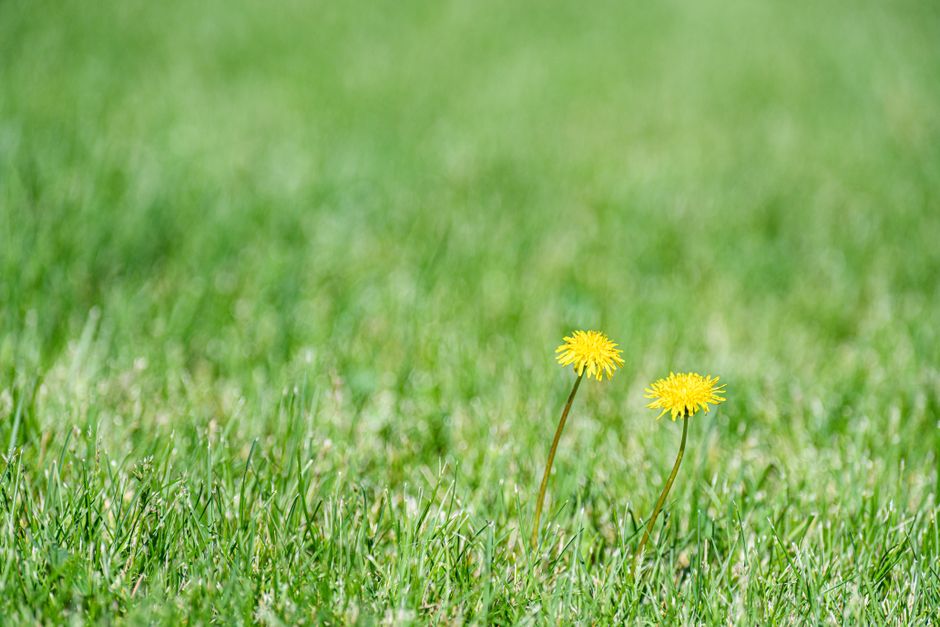
Photo: Jay Brand / Pexels
The end of the growing season is the one window when you can be genuinely ruthless with weeds. The crops are lifted, the beds are bare-ish, and whatever survived the summer — couch grass, bindweed, creeping buttercup, docks — is quietly building up root reserves for next year. Get your timing and your chemistry right now and you can start spring with a clean slate. Get it wrong and you'll spend April hand-forking bindweed out of your onion bed again.
The choice usually comes down to two chemistries: systemic glyphosate, which is absorbed by the leaves and translocated down into the roots, and contact weed killers based on fatty acids (pelargonic acid), acetic acid or similar, which scorch off green tissue on contact and do nothing below ground. Both have a legitimate place in autumn bed clearance — they just solve different problems.
When evaluating Glyphosate vs Contact Weed Killers: Which Is Best for Clearing Beds After Harvest? (2026), the key factors to consider are build quality, long-term durability, and whether it genuinely solves the problem it claims to address.
This is a genuine head-to-head. We've compared the glyphosate concentrates supplied by Elixir Garden Supplies against three products most UK gardeners will actually recognise on the shelf: Roundup Fast Action / Roundup Ultra, Weedol Rapid Action Weedkiller, and Neudorff WeedFree Plus. We'll look at cost per treated square metre, speed, replanting intervals and which one is actually right for a post-harvest bed.
Elixir Garden Supplies is essentially a bulk garden chemicals and fertiliser retailer rather than a brand with its own formulations. What they do well is supply amateur-approved 360 g/L glyphosate concentrates (typically Gallup Home & Garden and equivalent own-label packs) in 1L and 5L sizes, alongside the surfactants, knapsack sprayers, marker dyes and measuring jugs you actually need to use it properly. That matters for cost: a 1L bottle of 360 g/L glyphosate concentrate sits around the £18–£25 mark and, diluted at the standard 1:50 to 1:100 for annual weeds, will treat somewhere in the region of 1,000–2,000 m². Compare that with a 3L ready-to-use trigger bottle that covers maybe 30–40 m² and the difference in cost per square metre is enormous — we're talking pennies versus pounds. The trade-off is that you are mixing your own, so you need a sprayer, accurate measuring, PPE and the discipline to spray on a still, dry day. Elixir also carry the complementary autumn products — winter tares and green manure seed, bone meal, farmyard manure pellets, lawn sand — so a post-harvest order can cover clearing and feeding in one delivery. Where they're weaker: it's a functional trade-style site rather than a hand-holding one, and there's little formulation innovation. You're buying commodity chemistry at a good price. Check current concentrate pricing at Elixir Garden Supplies.
Roundup is the benchmark, and Roundup Ultra in particular uses a more advanced glyphosate formulation with better rainfastness (often quoted as one hour) and improved leaf uptake compared to basic 360 g/L products. If you're clearing a bed in a damp, unpredictable British October, that rainfastness is a real, practical advantage — not marketing fluff. Roundup also sells in genuinely convenient formats: ready-to-use pump sprayers, 'Fast Action' gels for spot-treating bindweed twining through a fruit cage, and concentrate sachets. The problem is money. A 3L ready-to-use Roundup bottle typically retails around £12–£16 and treats a comparatively tiny area; the concentrate versions are better value but still command a brand premium of roughly 30–60% over generic 360 g/L glyphosate for a comparable amount of active ingredient. Note also that some Roundup products (e.g. Roundup Tough / Path & Drive) contain additional residual actives like diflufenican or oxadiazon that persist in soil and are not suitable for beds you intend to plant. Read the label carefully — 'Roundup' is a range, not a single product.
Weedol's Rapid Action range is largely built on fatty acids/pelargonic acid rather than glyphosate, and it behaves completely differently. You'll see weeds yellowing and collapsing within hours, and — crucially for a post-harvest bed — you can typically sow or plant the same day or within 24 hours, because there's no meaningful soil activity and no long waiting period. A 3L ready-to-use bottle sits around £10–£14. For clearing a bed of chickweed, groundsel, annual meadow grass and hairy bittercress before overwintering garlic or broad beans go in, it's genuinely the better tool. What it will not do is kill couch grass, bindweed, ground elder or docks. It burns the tops off, the roots survive, and regrowth appears in two to three weeks. Used against perennials it's an expensive way to buy yourself a fortnight.
Neudorff WeedFree Plus is worth naming because it's the most credible non-glyphosate option for gardeners who won't use glyphosate on food-growing ground. It combines pelargonic acid with maleic hydrazide, which suppresses regrowth from roots for longer than a straight contact killer — so it sits somewhere between Weedol and glyphosate in persistence, without being a true systemic root-killer. It's approved for use in gardens and is popular with no-dig and allotment growers. Expect roughly £14–£20 for a 3L ready-to-use pack, which again puts cost per square metre far above concentrate glyphosate. Coverage is decent on soft annual weeds and it does dent perennials more than plain pelargonic acid, but on established couch grass it's still no match for translocated glyphosate. Treat it as the best compromise for people whose objection to glyphosate is philosophical rather than practical.
On raw economics, Elixir's concentrate glyphosate wins outright — often under 5p per square metre against 25–40p+ for ready-to-use rivals. On speed of visible results, Weedol wins: hours, not the 7–14 days glyphosate needs. On formulation quality and rainfastness, Roundup Ultra edges ahead of generic 360 g/L. On peace of mind for food-growing beds, Neudorff appeals most. And on replanting interval, contact killers let you sow almost immediately, whereas with glyphosate you should allow the full 7–14 days for translocation and follow the label's cultivation interval before disturbing the soil.
There's no single winner here, and anyone telling you otherwise is selling something. If you're clearing a large allotment plot or several beds infested with perennial weeds — couch grass, bindweed, ground elder, docks — then concentrate glyphosate from Elixir Garden Supplies is the most cost-effective route by a wide margin, provided you own a sprayer and spray on a dry, still day in early autumn while the weeds are still actively moving sugars to their roots. If you only have one or two small beds, or the forecast is unreliable, Roundup Ultra is worth its premium for better rainfastness and no mixing. If your beds only hold soft annual weeds and you want to sow overwintering garlic or broad beans this weekend, Weedol Rapid Action is genuinely the right answer — glyphosate would be slower and pointless overkill. And if you've made a decision not to use glyphosate on food-growing soil, Neudorff WeedFree Plus is the most effective non-glyphosate option currently on UK shelves, at a price you should accept going in. Buy the chemistry that matches your weed type, not the brand you recognise.
Shop Elixir Garden Supplies →Glyphosate needs 7–14 days to translocate fully into the roots before you see complete kill, and you should not cultivate or disturb the soil during that time or you'll interrupt the process. Most amateur 360 g/L labels allow sowing or planting once treated weeds have died down and the soil has been cultivated — typically around two weeks. Always follow the specific product label, as intervals vary.
No. Pelargonic acid and fatty-acid contact killers destroy green tissue on contact but have no systemic movement, so the roots and rhizomes of perennial weeds survive completely. You'll get a dramatic burn-down within hours followed by fresh regrowth in two to three weeks. For bindweed, couch grass, ground elder and docks you need a translocated systemic such as glyphosate, or persistent physical removal.
Concentrate is far cheaper if you're treating any meaningful area. A 1L bottle of 360 g/L glyphosate concentrate at around £20 can cover 1,000–2,000m² once diluted, working out at a few pence per square metre. A 3L ready-to-use bottle at £12–£15 covers roughly 30–40m². The catch is that concentrate requires a sprayer, accurate measuring and appropriate PPE, so for very small gardens ready-to-use can still make sense.
Found this helpful? Share it!
Our team tests gardening tools, planters, and outdoor equipment so you don't have to. Every recommendation is based on real research: customer reviews, expert opinions, and value for money. Learn more about us →
This post contains affiliate links. We may earn a commission if you purchase through our links at no extra cost to you.
← Back to Best Gardening Picks Daily| Retailer | Price Range | Shipping | Link |
|---|---|---|---|
| Amazon | Check Current Price | Free (Prime) | View on Amazon → |
| Walmart | Check Site | Free over $35 | Search → |
| Target | Check Site | Free over $35 | Search → |
Prices may vary. Click through to each retailer for current pricing.