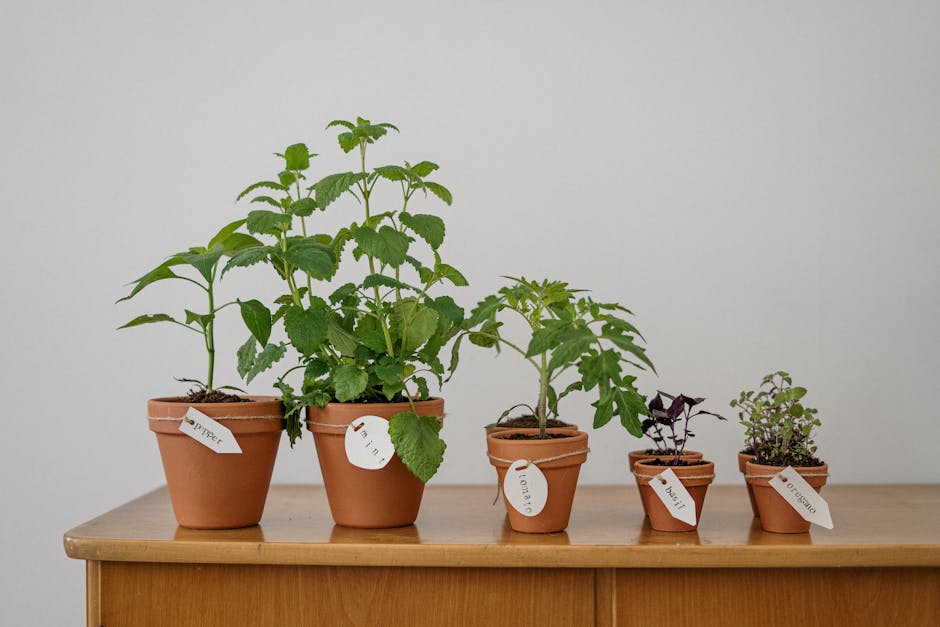
Photo: cottonbro studio / Pexels
Found this helpful? Share it!
Our team tests gardening tools, planters, and outdoor equipment so you don't have to. Every recommendation is based on real research: customer reviews, expert opinions, and value for money. Learn more about us →
When evaluating What Are The Best Planters For Tomatoes (2026), the key factors to consider are build quality, long-term durability, and whether it genuinely solves the problem it claims to address.
The best planters for tomatoes are containers that hold at least 10 gallons of soil (roughly 15–20 inches wide and deep) and provide excellent drainage and root aeration. Fabric grow bags, half-barrel planters, and large plastic or resin pots with multiple drainage holes consistently outperform smaller decorative containers because tomatoes are heavy feeders with aggressive, deep root systems.
For a single indeterminate tomato plant, use a 15–20 gallon container; for determinate or patio varieties, 10 gallons is the sweet spot. Fabric grow bags are the top choice for most home gardeners because they air-prune roots, prevent waterlogging, breathe in summer heat, and cost a fraction of ceramic or resin pots. If you prefer a permanent fixture, a half whiskey barrel or a self-watering container with a built-in reservoir works exceptionally well. Avoid anything under 5 gallons—undersized pots are the single most common reason container tomatoes underperform.
Tomatoes are among the most demanding vegetables you can grow in a container. A mature indeterminate plant can send roots down three feet and transpire more than a gallon of water on a hot day. The planter you choose directly controls three things: how much water the root zone can hold, how hot that root zone gets, and whether roots can breathe. Get those wrong and you'll see blossom end rot, stunted growth, and cracked or split fruit no matter how good your soil or fertilizer is.
Fabric grow bags are the current gold standard for container tomatoes. The porous fabric allows air to reach the root ball from all sides, which "air-prunes" roots—instead of circling the container wall and becoming root-bound, root tips stop growing and branch into a dense, fibrous network that absorbs nutrients far more efficiently. Fabric also drains excess water instantly, making overwatering nearly impossible, and it releases heat rather than trapping it. The tradeoff: they dry out faster than plastic, so in peak summer you may water daily.
Plastic and resin pots retain moisture well and are cheap and durable, but they demand vigilance. Dark-colored plastic can push root-zone temperatures above 100°F in direct sun, which stresses plants and reduces fruit set. If you use plastic, choose light colors, drill extra drainage holes, and consider placing the pot where the container itself is shaded even if the foliage is in full sun.
Terracotta and unglazed clay breathe well and look beautiful, but they wick moisture out of the soil aggressively, crack in freezing weather, and become extremely heavy at the sizes tomatoes require. They're a reasonable choice only for small determinate varieties in mild climates.
Self-watering containers with a bottom reservoir and wicking system are outstanding for tomatoes because they deliver steady, even moisture—the key defense against blossom end rot, which is triggered by calcium uptake failures caused by fluctuating soil moisture. They're the best option if you travel or can't water daily. The downside is cost and the risk of a waterlogged root zone in extended rainy periods if the overflow isn't clear.
Half whiskey barrels and large wooden planters hold huge volumes of soil, moderate temperature swings beautifully, and can support two plants if you're growing compact determinates. They're heavy and semi-permanent, so decide on placement before you fill them.
Whatever material you pick, size is non-negotiable. Research and decades of gardener experience point to the same threshold: 10 gallons minimum per plant, 15–20 gallons for vigorous indeterminate varieties like Brandywine, Sungold, or Cherokee Purple. In a 5-gallon bucket, the same plant will produce roughly half the fruit and require twice the watering attention.
University extension programs are remarkably consistent on this point. Cooperative extension guidance from multiple land-grant universities recommends a minimum of 5 gallons for determinate tomatoes and 10 gallons or more for indeterminate types, with 20 gallons cited as ideal for full-season production. Extension horticulturists also stress that drainage holes are not optional—a container without free drainage will drown tomato roots within days of heavy rain.
Commercial greenhouse and nursery growers have largely moved to fabric containers for exactly the reasons home gardeners should care about: measurably better root architecture, faster establishment, and no transplant shock from root-bound stock. Master gardener programs also frequently emphasize that container tomatoes need soilless potting mix, never garden soil, which compacts in pots and starves roots of oxygen regardless of how good your planter is.
One near-universal expert warning: don't reuse the same soil year after year in the same container without amending it. Tomatoes deplete nutrients fast and are susceptible to soilborne diseases that overwinter in used mix. Refresh at least half the volume annually and rotate crops between containers when possible.
If you want one planter that handles nearly every tomato variety without overthinking it, get 10 gallon fabric grow bags. They hit the minimum recommended soil volume for a full-size tomato plant, weigh almost nothing when empty, and typically come in multi-packs for less than the price of a single ceramic pot.
The practical advantages add up quickly. The breathable fabric eliminates root circling, so plants stay productive all season instead of stalling out in August. Excess water drains through the walls and bottom, which makes them forgiving for gardeners who tend to overwater. Built-in handles let you reposition plants to chase sun or move them under cover before a storm or early frost. At the end of the season, dump the soil, hose the bag out, and fold it flat for winter storage—no stacking heavy pots in the garage.
For indeterminate varieties in very hot climates, consider stepping up to 15 or 20 gallon bags, or grouping 10-gallon bags close together so they shade each other's sidewalls and slow evaporation. Either way, pair them with a quality potting mix, a slow-release tomato fertilizer, and a sturdy cage or stake driven through the bag into the ground.
The best planter for tomatoes is a large, well-draining, breathable container—and for most gardeners, a 10 gallon fabric grow bag delivers that at the lowest cost and the least hassle. Size the container to your variety, use quality potting mix, and water consistently, and your container tomatoes will match or beat anything grown in the ground.
As an Amazon Associate I earn from qualifying purchases.
← Back to All ReviewsMost tomato varieties need at least 5 gallons of soil per plant, though determinate varieties can work in smaller containers. For indeterminate (vining) tomatoes, a 10-gallon container or larger is ideal to support their extensive root systems and heavy fruit production throughout the season.
Fabric grow bags are excellent for tomatoes because they provide good drainage and air pruning of roots, though they dry out faster. Terra cotta and ceramic pots are attractive but heavy and prone to cracking, while plastic containers are lightweight and retain moisture well but can degrade in direct sunlight over time.
Yes, drainage holes are essential to prevent root rot and fungal diseases caused by waterlogged soil. Without proper drainage, excess water accumulates around the roots, creating conditions that encourage pathogens and kill the plant.
You can grow two tomato plants in a 10-gallon container or larger, but they'll compete for nutrients and water, which reduces yield and fruit quality. It's best to give each plant its own 5-10 gallon container to maximize air circulation and minimize disease risk.
| Retailer | Price Range | Shipping | Link |
|---|---|---|---|
| Amazon | Check Current Price | Free (Prime) | View on Amazon → |
| Walmart | Check Site | Free over $35 | Search → |
| Target | Check Site | Free over $35 | Search → |
Prices may vary. Click through to each retailer for current pricing.