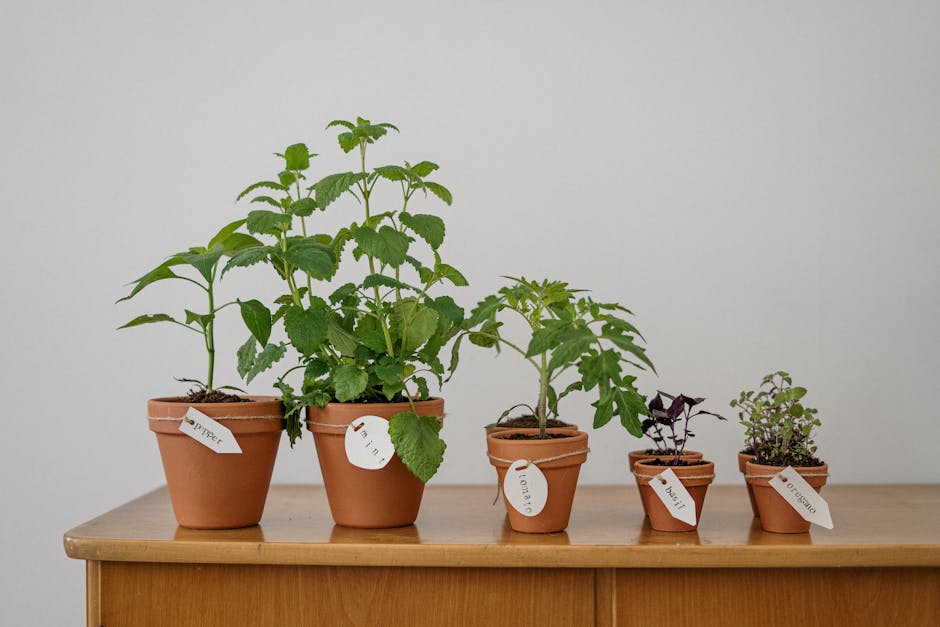
Photo: cottonbro studio / Pexels
Found this helpful? Share it!
Our team tests gardening tools, planters, and outdoor equipment so you don't have to. Every recommendation is based on real research: customer reviews, expert opinions, and value for money. Learn more about us →
When evaluating What Type Of Planter Is Best For Growing Herbs Indoors (2026), the key factors to consider are build quality, long-term durability, and whether it genuinely solves the problem it claims to address.
The best planters for growing herbs indoors are containers with drainage holes, typically 6-8 inches deep, made from ceramic, terracotta, or food-grade plastic. These materials provide adequate airflow, moisture regulation, and root space while allowing excess water to escape, preventing the root rot that kills most indoor herb gardens.
Indoor herb planters need drainage holes—this is non-negotiable. Ceramic and terracotta are ideal because they're porous and help regulate moisture, while plastic containers are lightweight and affordable alternatives. Size matters too: most herbs thrive in 6-8 inch containers with at least one drainage hole at the bottom. Avoid decorative planters without drainage unless you're willing to use a nursery pot inside them as a workaround.
Drainage is Everything
The single most important feature of any indoor herb planter is drainage. Without it, water pools around the roots, creating anaerobic conditions that lead to root rot within days. When evaluating any planter, immediately check for drainage holes in the bottom. If a planter you love doesn't have them, you can either drill holes yourself or nest a draining pot inside it.
Material Matters for Indoor Growing
Different materials affect how your herbs grow. Ceramic and terracotta are porous, meaning they allow air and moisture to pass through the walls. This creates better root health but requires more frequent watering since soil dries faster. Plastic containers retain moisture longer and are lighter for windowsill placement, making them practical for most indoor gardeners. Avoid glazed ceramic without drainage, as the glaze prevents air exchange that indoor herbs need in low-light conditions.
Size and Depth Requirements
Most culinary herbs (basil, parsley, thyme, oregano) need minimum 6-inch depth and 6-8 inch diameter. Shallow-rooted herbs like chives can survive in smaller containers, but deeper roots like rosemary and sage prefer 8-10 inch pots. A good rule: the taller the mature herb, the deeper the planter needs to be. Width matters equally—a narrow pot limits root expansion and makes the plant top-heavy under indoor grow lights.
Saucer and Drainage Considerations
Use saucers under planters to protect your windowsills and furniture, but empty them within 30 minutes of watering. Standing water in saucers negates the benefit of drainage holes. If you're placing herbs on sensitive surfaces, consider elevated planters with built-in drainage systems or self-watering designs that separate the water reservoir from the root zone.
Horticultural experts consistently recommend prioritizing drainage over aesthetics for indoor herbs. The University of Minnesota Extension advises that "container drainage is the most critical factor for preventing disease in indoor plants," noting that even hardy herbs like mint succumb to root rot in poorly-draining environments. Professional indoor gardeners often use ceramic or terracotta pots nested inside decorative containers, creating a dual-layer system that maintains both plant health and visual appeal. This approach lets you rotate the inner nursery pot for watering without worrying about damaging expensive planters.
A ceramic herb planter with integrated drainage holes combines aesthetics with function—ideal for indoor growing. Ceramic naturally regulates moisture better than plastic while maintaining an attractive appearance on kitchen counters or windowsills. Quality ceramic planters often come with matching saucers and drainage holes pre-drilled at optimal positions. These planters typically range from
As an Amazon Associate I earn from qualifying purchases.
← Back to All Reviews Shop on Amazon →Most herbs need planters at least 6-8 inches deep with drainage holes, though larger herbs like rosemary and oregano prefer 10-12 inches. A pot that's too small restricts root growth and requires constant watering, while oversized pots retain excess moisture and can cause root rot. Individual small herbs like basil and parsley do well in 4-6 inch pots, while a larger shared container should be 12+ inches wide.
Yes, drainage holes are essential for indoor herb planters because they prevent water from sitting at the roots, which causes rot and fungal issues. If you like the look of a decorative pot without drainage, use it as a cachepot by placing a draining pot inside it. Without proper drainage, even experienced gardeners will struggle to keep herbs alive indoors.
Terracotta is ideal because it's porous and allows soil to dry out properly between waterings, reducing overwatering issues. Plastic pots work well too and retain moisture longer, making them better for forgetful waterers, but they're less breathable. Ceramic pots with glazed interiors are attractive and functional, though they should have drainage holes to prevent water from pooling.
Self-watering planters can work for some herbs but often keep soil too moist, leading to root rot and fungal problems that herbs dislike. They're better suited for moisture-loving plants rather than Mediterranean herbs like basil, thyme, and rosemary that prefer drier conditions. If you use one, choose a model with good drainage and monitor soil moisture closely.
| Retailer | Price Range | Shipping | Link |
|---|---|---|---|
| Amazon | Check Current Price | Free (Prime) | View on Amazon → |
| Walmart | Check Site | Free over $35 | Search → |
| Target | Check Site | Free over $35 | Search → |
Prices may vary. Click through to each retailer for current pricing.