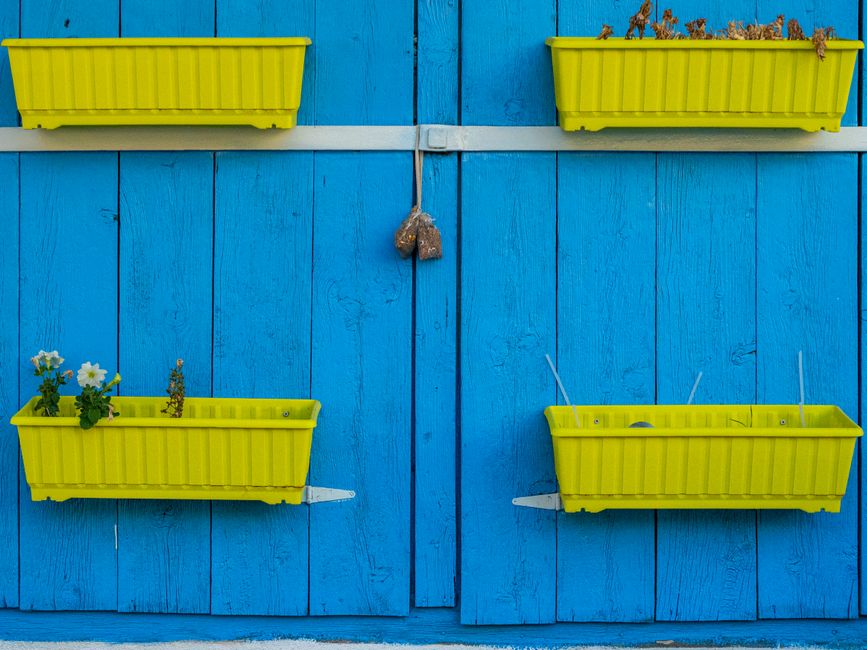
Photo: Murat Halıcı / Pexels
Found this helpful? Share it!
Choose planters with drainage holes in the bottom to prevent water from pooling around herb roots, which causes root rot and fungal issues that kill most culinary herbs quickly. Ensure the pot size matches your herbs—smaller pots (6-8 inches) work for basil and parsley, while larger herbs like rosemary need 10-12 inch containers with room for root expansion.
Our team tests gardening tools, planters, and outdoor equipment so you don't have to. Every recommendation is based on real research: customer reviews, expert opinions, and value for money. Learn more about us →
The best planter for herbs is a pot with drainage holes that's 6-12 inches deep, made from terracotta, ceramic, or food-grade plastic, depending on your climate and watering habits. Proper drainage is absolutely critical for herb health, as most herbs prefer slightly dry conditions and will rot in waterlogged soil.
Herb planters should prioritize drainage above all else, making terracotta and ceramic pots with drainage holes the top choices for most gardeners. For herbs, you want a container that's wide enough to accommodate root growth (at least 6 inches for individual plants) and deep enough to prevent tipping (8-12 inches is ideal). The material matters less than the drainage capability, though terracotta's breathability makes it excellent for preventing overwatering—a common herb-killing mistake. If you're growing multiple herbs together, consider a larger container or a specialized herb planter with separate compartments.
When choosing a planter for herbs, several factors come into play that directly impact your plants' success. Understanding these factors will help you make the right choice for your growing conditions and lifestyle.
Size Matters
Individual herb plants typically need 6-12 inches of pot diameter and 8-12 inches of depth. Shallow planters (less than 6 inches deep) dry out too quickly and don't provide enough space for root development. For smaller herbs like thyme or oregano, a 6-inch pot works fine, while larger herbs like basil or rosemary benefit from 10-12 inch containers. If you're planting multiple herbs together, aim for a container at least 18 inches wide and 12 inches deep to prevent root competition.
Material Selection
Each material offers distinct advantages and disadvantages. Terracotta is porous, allowing soil to dry out between waterings and preventing root rot—making it ideal for Mediterranean herbs like rosemary, thyme, and oregano that prefer drier conditions. Ceramic and glazed pots retain moisture better, suiting herbs like basil, parsley, and cilantro that appreciate consistent moisture. Plastic planters are lightweight, affordable, and excellent for frequent movers, though they retain more moisture than terracotta. Self-watering planters can be helpful if you struggle with consistent watering, but they work best with herbs that tolerate consistently moist soil. Avoid untreated wood and metal, which can degrade or conduct excessive heat.
Drainage is Non-Negotiable
This is the single most important feature. Every herb planter must have at least one drainage hole—preferably multiple holes in the bottom. Without drainage, water accumulates around roots, leading to root rot and fungal diseases that kill herbs quickly. If you love a decorative pot without drainage, use it as a cachepot by placing a draining pot inside it. Never rely on gravel at the bottom of a pot without drainage holes; this is a common misconception that doesn't prevent waterlogging.
Shape and Stability
Wider, shorter pots provide more stability than tall, narrow ones, especially important for top-heavy herbs like rosemary or standards. Rectangular planters maximize space if you're growing multiple herbs together and can be more space-efficient on windowsills or patios. Hanging planters work well for trailing herbs like thyme and oregano but dry out quickly and may be awkward to water.
Horticultural experts universally agree that drainage trumps aesthetics when selecting herb planters. The University of Illinois Extension recommends using pots with drainage holes that are slightly larger than the plant's root ball
As an Amazon Associate I earn from qualifying purchases.
← Back to All Reviews Shop on Amazon →| Retailer | Price Range | Shipping | Link |
|---|---|---|---|
| Amazon | Check Current Price | Free (Prime) | View on Amazon → |
| Walmart | Check Site | Free over $35 | Search → |
| Target | Check Site | Free over $35 | Search → |
Prices may vary. Click through to each retailer for current pricing.
Most herbs thrive in containers that are at least 6-8 inches deep and 6-12 inches wide, depending on the herb type. Larger herbs like rosemary and bay laurel need 12+ inch pots, while smaller herbs like thyme and oregano do well in 6-8 inch containers. Ensure the pot is large enough that roots have room to spread, but not so large that soil stays constantly wet.
Terracotta is ideal for herbs because it's porous and allows soil to dry out between waterings, which most herbs prefer. Plastic pots retain moisture longer and are lighter to move, making them better for frequent movers or water-loving herbs like basil and mint. Choose based on your watering habits and climate—terracotta works best in humid areas, while plastic suits drier conditions.
Yes, drainage holes are essential for herb planters because herbs hate sitting in waterlogged soil and will develop root rot without proper drainage. Even self-watering containers should have at least one drainage hole to prevent water accumulation. If you love a planter without drainage, use it as a decorative cover pot and place a draining pot inside.
Yes, you can grow herbs together if they have similar water and light needs—basil with oregano, or rosemary with thyme work well. Avoid pairing drought-loving herbs like rosemary with water-hungry ones like mint or basil, as they'll have conflicting watering requirements. Use a large container at least 12+ inches wide and space plants so they don't compete for light and airflow.